


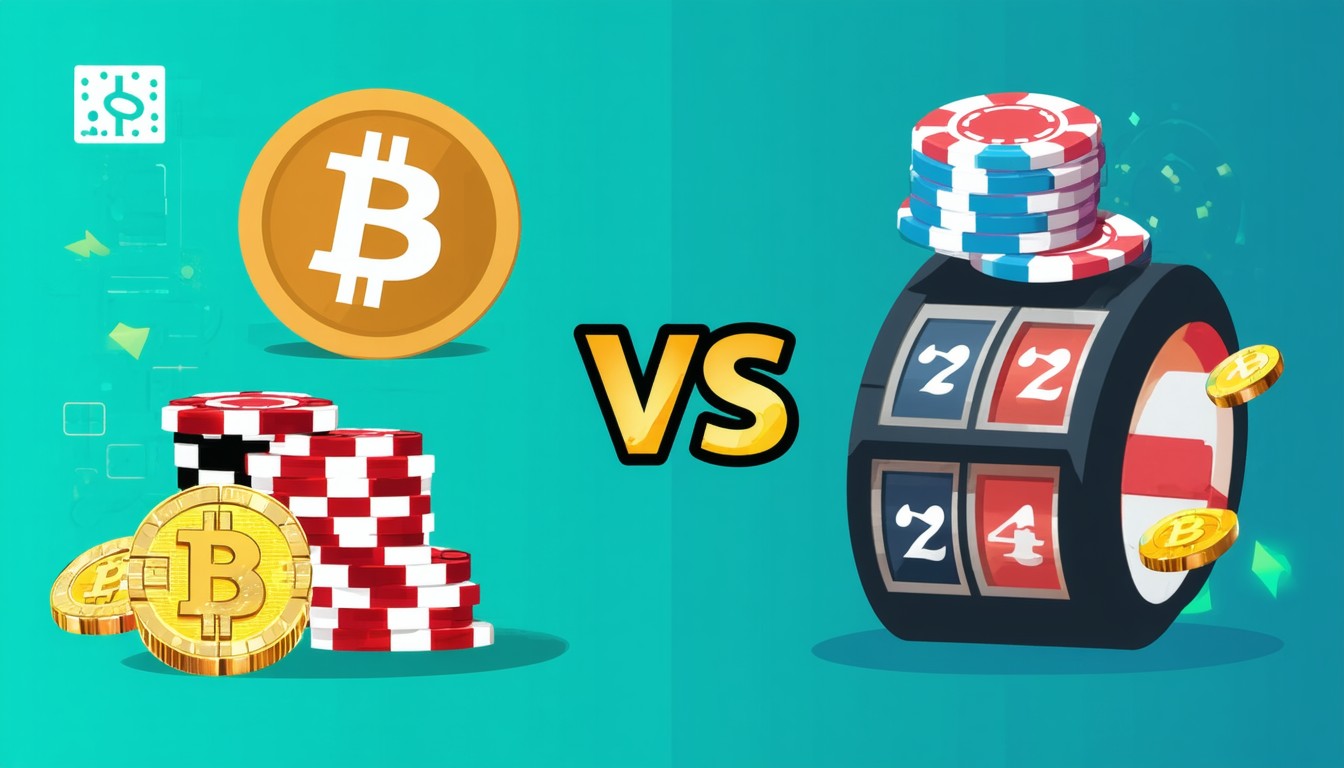
Evolution of Crypto Gambling in 2026
Cryptocurrency has transformed online gambling, with digital coins powering thousands of new casino websites. Yet, as this ecosystem matures, two distinct models have emerged: the online Bitcoin casino, which centers its entire operation on Bitcoin, and the broader general crypto casino, which supports multiple digital assets. While they may look similar at first glance, their differences have deepened in 2026—affecting payment speed, privacy, regulation, gaming experiences, and user community.
An estimated majority of active crypto gamblers today choose platforms capable of handling a variety of tokens, but Bitcoin-centric sites retain a loyal base, driven by BTC’s cultural and financial clout. Understanding where these platforms diverge—and what that means for both casual and experienced players—is crucial as the landscape shifts.
Payment Systems and Transaction Dynamics
Bitcoin-Only Approach: Simplicity Meets Stability
Bitcoin casinos typically accept only BTC for deposits, withdrawals, and in-play transactions. This single-currency model simplifies the payment process, ensures transparent blockchain records, and lets users track funds in a familiar environment. In 2026, fee optimization for BTC transfers (especially via the Lightning Network) keeps transaction costs relatively low and settlement times faster than traditional banking—though not always instant, especially during network congestion.
Popularity of BTC also brings predictability. Many high-stakes gamblers prefer knowing exactly how their funds move on-chain, and value the brand-recognition of the first and most widely trusted cryptocurrency.
Multi-Crypto Platforms: Flexibility and Speed
General crypto casinos, by contrast, enable players to choose from an array of major coins and tokens—Ethereum, Solana, USDT, and more. This flexibility enables users to leverage faster, cheaper blockchains, such as Polygon or Tron. Gamblers can dodge high network fees and gain near-instant deposits with certain assets.
Some sites even integrate decentralized finance (DeFi) protocols, enabling swaps directly within the platform, or allow users to maintain multi-coin balances. The trade-off is added complexity in security and compliance, plus possible confusion over fluctuating conversion rates and network-specific rules.
"Multi-crypto support lets casinos reach a broader audience, but the backend systems must handle evolving compliance risks and wallet vulnerabilities across chains," says Lara McNally, a blockchain gaming consultant. "It’s a balancing act between maximizing user choice and delivering seamless, secure payments."
Regulatory Landscape and KYC Requirements
Bitcoin Casinos: Niche Jurisdictions, Privacy Focus
Countries tolerant of cryptocurrency gambling often offer some regulatory gray areas, which Bitcoin casinos have historically navigated deftly. Many BTC-only operators, especially those licensed in crypto-friendly territories, employ minimal Know Your Customer (KYC) procedures. In 2026, this ethos persists, with anonymous or pseudonymous registration processes remaining common.
Nevertheless, tightening rules in major markets—a response to anti-money laundering and responsible gambling concerns—have forced some operators to introduce tiered KYC. Maintaining BTC’s original appeal as a privacy-first payment tool is an ongoing challenge.
General Crypto Casinos: Compliance and Geographic Reach
By catering to a larger audience, general crypto casinos are more likely to pursue multi-jurisdictional licenses, especially in Europe and Asia. These platforms often must comply with more rigorous KYC/AML standards, particularly for users who transact in regulated stablecoins or fiat onramps.
Integration with offshore or decentralized identity tools (such as blockchain-based passports) is common in 2026, giving users a streamlined way to verify age and source of funds while protecting parts of their privacy. However, this also means the onboarding journey can feel less frictionless compared to classic BTC-only platforms.
Gaming Experience and Platform Features
Bitcoin Casinos: Classic Fairness, Community, and Gamification
The earliest provably fair games—where outcomes can be mathematically verified—were pioneered on Bitcoin-only sites. This legacy continues in 2026, as these casinos emphasize transparency, classic slots, table games, and a strong “OG” crypto-gambler community vibe. Many offer no-nonsense interfaces, competitive leaderboards funded purely in BTC, and curated loyalty programs.
Beyond this, Bitcoin casinos often partner with developers to launch exclusive BTC-branded jackpots or themed events during periods of network upgrades or Halving cycles, adding a community element that’s uniquely Bitcoin.
General Crypto Casinos: Innovation and Diverse Content
Multi-crypto gambling platforms have become hotbeds for innovation, offering everything from NFT-enabled games to cross-chain tournaments. In 2026, you’ll find casino titles that accept in-game wagers in a dozen currencies, esports platforms leveraging instant token payouts, and on-chain random number generators (RNGs) validated across several networks.
General crypto casinos invest heavily in UX and social tools—real-time chat rooms, avatar customization, community votes for new tokens, and viral “live drop” prize mechanics. This attracts a younger, more digitally-native crowd seeking dynamic gaming, but can occasionally overwhelm those looking for straightforward play.
Security and User Trust
Bitcoin Casinos: Transparency and On-Chain Legitimacy
Security remains paramount, and many Bitcoin-centric casinos pride themselves on open-source smart contracts and independently auditable transaction histories. Users can scrutinize every deposit, bet, and withdrawal on the public ledger.
While no digital system is immune to attacks, the BTC-only focus allows platforms to concentrate security resources on protecting a single hot/cold wallet infrastructure, reducing the attack surface compared to multi-coin sites.
General Crypto Casinos: Expanded Risk and Risk Mitigation
Multi-asset casinos must defend against attack vectors on several different networks, manage the integration of decentralized wallets, and quickly respond to new blockchain vulnerabilities. In response, leading platforms partner with third-party cybersecurity firms for annual audits, bug bounty programs, and insurance-backed hot wallet solutions.
Still, the complexity of supporting many chains poses ongoing risks. Failures or hacks—while relatively uncommon—can create cascading effects for users holding a diversity of coins.
Strategic Considerations for Players in 2026
Choosing between an online Bitcoin casino and a general crypto casino is not just a matter of payment preference. It involves weighing regulatory compliance levels, privacy requirements, platform community, and security systems.
BTC-only platforms offer simplicity and a tight-knit community, reinforcing Bitcoin’s philosophical roots. Multi-crypto casinos lead in innovation and variety, catering to a fast-changing, global gamer base. For high-stakes or privacy-centric players, Bitcoin casinos may feel safer; for experimental or pragmatic gamblers seeking speed and new features, general crypto casinos represent the frontier.
Conclusion
The gap between online Bitcoin casinos and general crypto casinos has grown sharper as digital gambling evolves. In 2026, the former stands for stability, privacy, and transparency through a focus on Bitcoin; the latter champions diversity, flexibility, and rapid innovation by supporting multiple digital assets. Players should choose based on their engagement style, preferred level of anonymity, and appetite for cutting-edge features or classic experiences.
A measured approach, combining due diligence on licensing and security protocols with an honest assessment of personal priorities, is the best way to navigate this thriving sector.
FAQs
What is the main difference between a Bitcoin casino and a general crypto casino?
A Bitcoin casino operates exclusively with BTC for payments, while a general crypto casino accepts several digital currencies, such as Ethereum or USDT, expanding flexibility for users.
Are Bitcoin-only casinos more private than multi-crypto casinos?
In most cases, Bitcoin-only casinos offer fewer identity verification procedures, supporting greater privacy. However, tightening regulations may still require some form of KYC on both platform types.
Which platform type offers faster withdrawals?
General crypto casinos may provide quicker withdrawals by allowing use of faster blockchains, while Bitcoin withdrawals might be slower during network congestion despite innovations such as the Lightning Network.
Is one type of casino more secure than the other?
Bitcoin casinos can focus security on a single asset, reducing complexity, while multi-crypto sites must manage a broader array of vulnerabilities but often invest in extensive audits and insurance.
Do game selections differ between the two platforms?
Bitcoin-only casinos focus on classic, provably fair games, while general crypto casinos offer greater diversity, including tokenized tournaments and NFT-based games.
How do I decide which type of crypto casino is best for me?
Assess your priorities—such as currency preference, privacy, speed, regulatory comfort, and desired gaming features—then review each platform’s licensing, security practices, and community reputation before committing funds.











Leave a comment