


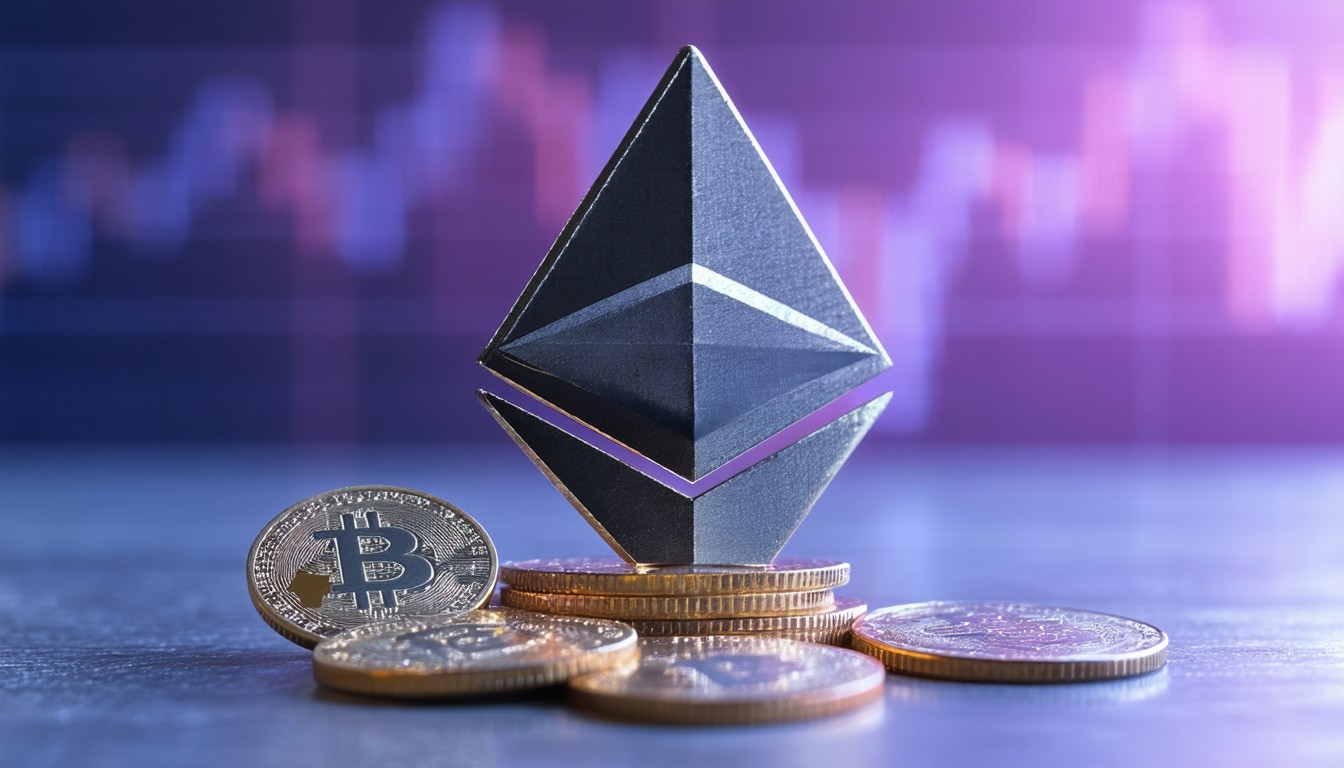
Ethereum’s price, tracked by millions of investors and institutions globally, stands as one of the most closely watched metrics in the cryptocurrency market. From its inception in 2015, Ethereum (ETH) has moved beyond speculation; its live value is now a bellwether for the broader blockchain ecosystem and an essential reference for decentralized finance (DeFi), NFTs, and countless web3 projects.
The Evolution of Ethereum’s Price: A Brief History
Ethereum’s journey began with an Initial Coin Offering (ICO) that raised over $18 million. Since then, ETH’s value trajectory has exemplified the volatility and resilience typical of cryptocurrencies. During periods of rapid innovation—such as the 2017 DeFi explosion or the NFT craze of 2021—Ethereum’s price has soared to new highs, reflecting surges in demand, network usage, and investor confidence.
On major cryptocurrency exchanges, ETH’s price is quoted in real-time, measured against fiat currencies like USD, EUR, and GBP, as well as stablecoins such as USDT. Ethereum’s all-time high occurred in late 2021, echoing broader interest in blockchain utility beyond simple transfers of value.
“Ethereum’s price movements serve as a barometer for blockchain innovation at large—spikes in usage, smart contract deployment, and DeFi adoption all manifest in ETH’s market performance.”
—Crypto market strategist, Laura Shin
Key Drivers of ETH Value: Supply, Demand, and Utility
Ethereum’s market value is determined by dynamic interactions of supply, demand, and perceived utility:
1. Network Usage & DeFi Integration
The proliferation of decentralized applications (dApps), decentralized exchanges (DEXs), and the entire DeFi sector runs predominantly on Ethereum’s blockchain. High transaction volumes—particularly during periods of intense NFT trading or DeFi launches—often coincide with increased ETH demand, driving price momentum.
2. Protocol Upgrades and The Merge
Ethereum’s evolution from Proof of Work to Proof of Stake, marked by “The Merge” in 2022, directly influenced its price narrative. The switch was aimed at reducing energy consumption—a response to environmental critiques—and introducing ETH “staking” for rewards, making the token more attractive to long-term holders.
In addition, periodic protocol upgrades (dubbed “hard forks”) improve security, reduce costs, or enhance scalability, each event often catalyzing speculative runs and renewed investor interest.
3. Macroeconomic and Regulatory Forces
The broader macro context—interest rates, inflation, and global technology trends—plays an increasing role. Regulatory decisions, such as those related to securities law or the approval of ETH investment vehicles, can trigger rapid price moves, as seen in other major cryptocurrencies.
Live Price Tracking and Analytics: Tools for Monitoring ETH
With 24/7 markets, real-time price analytics are essential for anyone tracking Ethereum’s value.
- Crypto Exchanges: Leading platforms such as Binance, Coinbase, and Kraken display live ETH-USD charts with millisecond accuracy.
- Price Aggregators: Third-party services like CoinMarketCap and CoinGecko aggregate data across hundreds of exchanges, offering historical charts, volume stats, and market cap rankings.
- On-Chain Analytics: Tools like Glassnode provide insights into wallet movements, large transactions, and smart contract deployments, enabling a deeper understanding of underlying trends.
These platforms collectively shape market sentiment, as both retail and institutional investors rely on aggregated data to inform trades and investment decisions.
Analyzing Market Trends: Patterns and Sentiment
Regular fluctuations in Ethereum’s price often follow identifiable patterns, driven by trading psychology, external news, and cyclical developments within the crypto sector.
Technical Analysis and Investor Behavior
Technical analysts scrutinize price charts for patterns—support/resistance levels, moving averages, and momentum indicators—to forecast short-term market moves. Historically, periods of high “gas fees” on the network, caused by congestion, have correlated with price volatility and user frustration, at times prompting temporary capital flight to alternative blockchains.
Sentiment and Major News Events
Announcements about network upgrades, DeFi security incidents, or regulatory crackdowns in major economies can cause rapid ETH price swings. Conversely, positive developments—such as successful rollouts of scaling solutions or institutional adoption—often reignite bullish sentiment.
Real-World Examples: Institutional Adoption and Use Cases
Beyond the exchange charts, Ethereum’s real-world adoption shapes its value story. For example:
- DeFi Protocols: The assets locked in DeFi platforms (like Uniswap and Aave) are largely denominated in ETH, anchoring its role as both a utility and store-of-value token.
- Corporate Initiatives: Multinational firms have experimented with Ethereum-based smart contracts for supply chain management and digital identity solutions, signaling its maturing use case.
- NFT and Tokenization: The surge in NFTs—digital art, collectibles, and even real estate—has kept ETH at the center of value transfers on the blockchain.
According to a report from ConsenSys, “Ethereum remains the primary platform for DeFi innovation, with thousands of developers actively building and deploying new protocols each quarter.”
Risks, Opportunities, and What’s Next
Like all cryptocurrencies, Ethereum’s price is subject to risks: technical vulnerabilities, regulatory crackdowns, and the rise of competing blockchains like Solana and Avalanche. However, its ongoing evolution—especially with scalability upgrades and environmental improvements—keeps it in a pivotal position.
Many experts believe that real-world utility, combined with a vibrant developer community, will be the ultimate driver of Ethereum’s long-term value.
Conclusion
Ethereum’s price is more than a measure of market sentiment—it’s a reflection of a dynamic, evolving ecosystem at the core of decentralized technology. As ETH continues to adapt through protocol upgrades, and as real-world applications multiply, its live value will remain a central topic for investors, developers, and analysts alike. Strategic monitoring, combined with a nuanced understanding of both on-chain data and market trends, is essential for anyone looking to navigate the volatile but opportunity-rich world of Ethereum.
FAQs
What causes Ethereum’s price to fluctuate so much?
Ethereum’s price is driven by complex factors including supply-demand dynamics, network usage, protocol upgrades, and external news. Market sentiment and macroeconomic events can also trigger rapid changes.
How does “The Merge” impact ETH’s value?
By moving to Proof of Stake, The Merge reduced Ethereum’s energy use and introduced staking, potentially decreasing issuance and encouraging long-term holding. This structural change has influenced both perception and investor behavior.
Where can I see live Ethereum prices?
Live ETH prices are available on major cryptocurrency exchanges (such as Binance, Coinbase) and aggregators like CoinMarketCap and CoinGecko, providing real-time data and historical charts.
Is Ethereum’s price linked to Bitcoin?
Ethereum and Bitcoin often move in tandem during major market events, but they exhibit distinct trends based on their unique use cases and innovation cycles. Sometimes, ETH can decouple from BTC due to ecosystem-specific developments.
What are the main risks for Ethereum’s price?
Risks include technical or smart contract vulnerabilities, regulatory shifts, competition from other blockchains, and market volatility. Staying informed about upgrades and broader trends is crucial for managing exposure.
Can Ethereum’s price reach new all-time highs?
While past performance is no guarantee of the future, many analysts see potential for future growth, especially if network adoption and real-world utility expand. However, price forecasts always carry uncertainty in volatile markets.










Leave a comment