


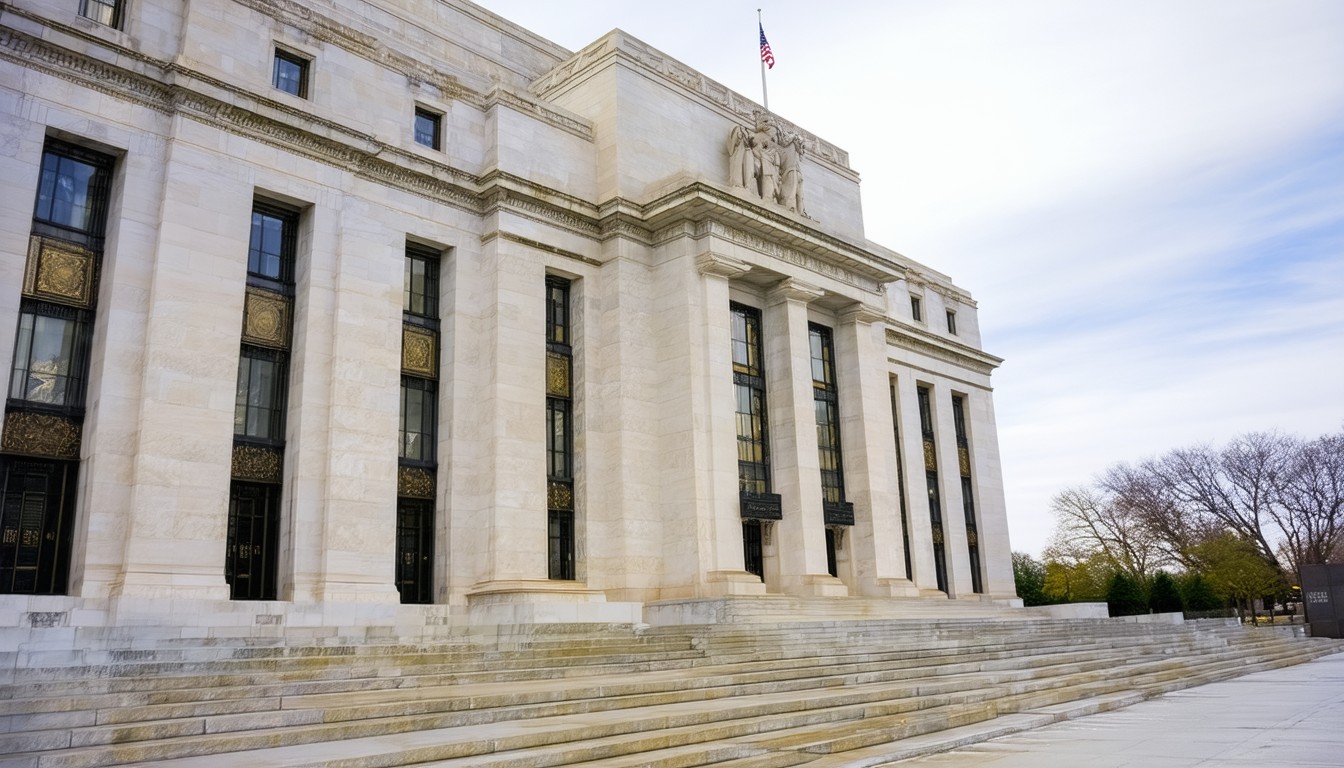
The United States Federal Reserve (FED) stands at the heart of the global financial system, setting the benchmark for interest rates that influence mortgages, credit cards, business loans, and more. Each FED interest rate decision sends ripples through financial markets around the world, triggering moves in stocks, bonds, and currencies. These ripples are evident in both day-to-day trading and long-term economic planning by businesses and governments.
Recent years have seen the FED’s decisions scrutinized more than ever. Citing inflation risks, economic recovery signals, and employment conditions, the central bank has adapted its policies to unprecedented global challenges, from the 2008 crisis to the COVID-19 pandemic. Understanding how and why the FED sets rates—and the real-world impact of those moves—has therefore become essential for investors, policymakers, and consumers alike.
How the FED Sets Interest Rates: Mechanisms and Objectives
At its core, the FED’s main tool for steering the economy is the federal funds rate, the interest rate at which banks lend reserves to one another overnight. This rate acts as the benchmark for a broad spectrum of lending products.
Dual Mandate: Price Stability and Maximum Employment
The FED’s decisions are dictated by a “dual mandate”: promoting maximum employment while ensuring stable prices. These objectives can sometimes conflict—lowering rates may boost job growth but fuel inflation; raising rates may contain inflation but hinder hiring.
The Policy Toolkit
Apart from adjusting the federal funds rate, the FED also uses:
- Open market operations: Buying or selling government securities to add or drain liquidity.
- Quantitative easing: Purchasing assets to inject money during crises.
- Reserve requirements: Dictating how much banks must hold back versus lend.
By tweaking these levers, the FED seeks to fine-tune the cost of borrowing across the economy.
Market Reaction to FED Announcements
When the FED moves—or even hints at moving—interest rates, financial markets respond immediately. The reaction is often swift and sometimes dramatic, affecting everything from the S&P 500 to global commodity prices.
Immediate Asset Class Movements
For example, a surprise rate hike typically leads to:
- Rising yields on U.S. Treasuries, as investors demand higher returns
- Declines in stock prices, especially for growth companies
- Strengthening of the U.S. dollar against foreign currencies
Conversely, a dovish stance, signaling lower rates for longer, tends to boost equities and drive investors toward riskier assets.
Market participants spend months interpreting statements from the Federal Open Market Committee (FOMC), analyzing every word for clues. The concept of "forward guidance"—the FED's communication about future actions—plays a critical role in shaping expectations and, by extension, investment decisions.
"The market’s interpretation of the FED’s tone can be as impactful as its actual actions," notes Dana Peterson, Chief Economist at The Conference Board. "Anticipated changes frequently move markets ahead of the formal decision."
Real-World Example: COVID-19 Crisis Response
When the pandemic struck, the FED cut interest rates to near zero and launched large-scale asset purchases. These moves were instrumental in stabilizing financial markets and reassuring investors—sparking one of the fastest stock market recoveries in history.
Broader Economic Impacts of FED Rate Changes
Beyond daily market swings, interest rate changes have far-reaching effects on the real economy.
Consumer Borrowing and Spending
Lower rates typically reduce monthly payments for mortgages and auto loans, encouraging consumers to spend more. Conversely, higher rates can cool demand by increasing the cost of credit. Mortgage application data, for instance, often surge in the wake of a rate cut.
Business Investment Decisions
Companies frequently adjust capital spending plans based on borrowing costs. Cheap credit supports expansion, hiring, and innovation, while expensive financing may put projects on hold. During rate hike cycles, sectors relying on debt—like real estate and technology—often see delayed growth.
Inflation Control
Keeping inflation in check is one of the FED’s most closely watched goals. When inflation climbs, the central bank raises rates to cool off runaway price increases. This “tightening” can have global consequences, influencing the cost of goods, exchange rates, and foreign investments.
International Consequences: The FED and the Global Economy
Given the dollar’s status as the primary reserve currency, the FED’s decisions don’t stop at America’s borders.
Capital Flows and Emerging Markets
Higher U.S. rates can spark capital outflows from emerging economies, as investors seek safer, higher-yielding assets in the U.S. This dynamic can lead to currency depreciation and increased borrowing costs abroad.
Coordinated Central Bank Actions
In some instances, other central banks adjust their own policies in response to FED moves to avoid destabilizing currency swings or imbalances. The 2013 “taper tantrum,” when the FED signaled an end to quantitative easing, serves as a notable example: bond yields surged globally, igniting volatility in emerging markets.
Decoding the FED’s Forward Guidance
Understanding how markets interpret—and sometimes misinterpret—FED communication is critical.
Reading Between the Lines
Every FOMC meeting is followed by a carefully worded statement, a press conference, and sometimes follow-up speeches by FED officials. Analysts decipher terms like “persistent inflation” or “moderately accommodative” to predict the central bank’s next move.
Impact on Financial Planning
Professional investors often hedge their bets based not on what the FED just did, but on what it might do next. Retail investors and businesses, meanwhile, watch for consensus signals to adjust their strategies, from rebalancing portfolios to locking in fixed-rate loans.
Conclusion: Navigating Market Volatility Around FED Decisions
FED interest rate decisions remain one of the most watched and influential events in financial markets. From Wall Street traders to Main Street borrowers, the central bank’s signals guide economic behavior in both obvious and subtle ways. By understanding the mechanisms, impacts, and global significance of FED moves, investors and consumers can make more informed choices and adapt proactively to changing conditions.
Staying informed—whether by monitoring FOMC statements, following expert commentary, or learning from past cycles—remains critical for anyone affected by the rhythm of global finance.
FAQs
What triggers the FED to change interest rates?
The FED adjusts rates in response to changing economic conditions, such as inflation, employment data, and overall economic growth. Its dual mandate aims for stable prices and maximum employment.
How quickly do FED rate changes affect consumers?
Some effects, like changes to variable-rate loans and short-term borrowing costs, can be seen almost immediately. Others, such as broader economic growth or inflation moderation, unfold over months.
Do FED decisions directly impact the stock market?
Yes, stocks often react quickly to FED rate decisions or guidance, especially when outcomes diverge from market expectations. Sectors like technology and real estate are particularly sensitive.
Can the FED’s interest rate policy affect global financial markets?
Absolutely. Because the U.S. dollar is the world’s dominant reserve currency, FED policy changes influence international capital flows, exchange rates, and monetary policy abroad.
What does “forward guidance” from the FED mean?
Forward guidance refers to the FED’s communication about future policy intentions. Markets often react to this guidance as much as to actual rate changes.
How can I stay updated on upcoming FED interest rate decisions?
Following trusted financial news sources, subscribing to FED press releases, or tracking economic calendars can help keep you informed before and after key announcements.











Leave a comment