


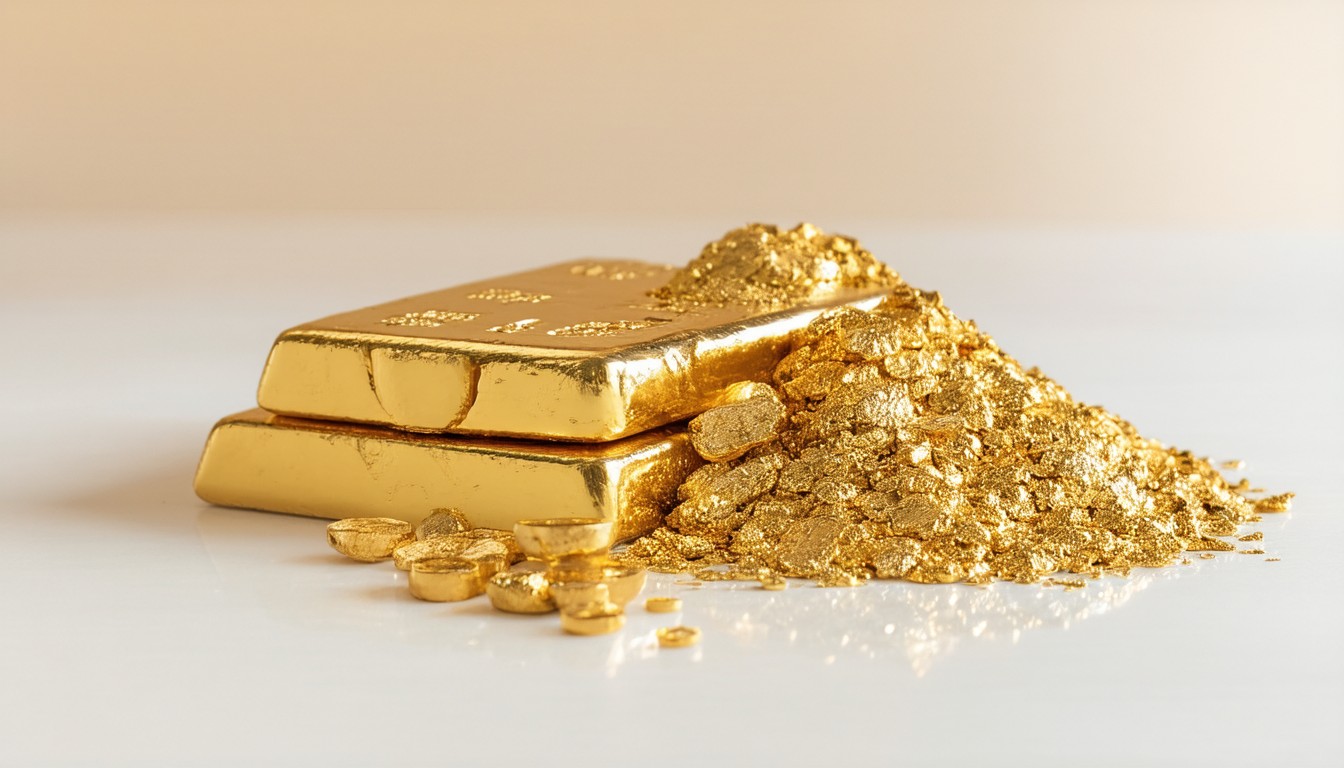
Few materials have captured the human imagination, or economy, like gold. Revered since antiquity, gold’s luster is matched only by its unique combination of rarity, versatility, and enduring value. From ancient coins and royal regalia to the backbone of modern central bank reserves, gold’s role has continuously evolved—bridging the worlds of jewelry, technology, currency, and investment.
Physical and Chemical Properties That Make Gold Unique
Gold (chemical symbol Au) stands out due to its exceptional characteristics. As a noble metal, it resists corrosion and tarnishing, maintaining its brilliance over time. Its high malleability enables artisans to stretch a single gram into a thread several kilometers long or beat it into foil mere microns thick. Electrically conductive, non-reactive, and easily alloyed, gold’s physical and chemical properties underpin its broad array of uses, from fine jewelry to high-tech electronics.
How Gold Is Sourced and Processed
Globally, most gold derives from deep-earth mining operations, with top producers including China, Australia, and Russia. Alluvial deposits, extracted from riverbeds using simple washing techniques, still play a role in some regions. Modern refineries purify mined ore, producing investment-grade bullion—hallmarked for weight and purity, most typically .999 (24 carat).
Traditional and Modern Uses of Gold
Gold’s allure extends far beyond adornment. Its applications span several critical economic and technological domains.
Jewelry and Cultural Significance
For millennia, gold has embodied wealth, status, and beauty. Today, over half of annual global gold demand goes to the jewelry sector, especially in markets like India and China where gold is integral to weddings and festivals. Its symbolism—purity, power, permanence—ensures cultural relevance endures.
Industrial and Technological Applications
Less known but highly significant, gold’s unique properties make it indispensable in electronics, dentistry, and aerospace. As a superb conductor, thin gold coatings are routine in smartphones, circuit boards, and even satellites. In medicine, gold nanoparticles are harnessed for drug delivery and diagnostics, with ongoing research pushing new frontiers.
Monetary, Financial, and Strategic Roles
Historically, gold coins powered commerce; later, the gold standard anchored monetary systems. Even though most currencies no longer peg to gold, central banks still use gold reserves as a hedge against volatility, inflation, and currency risk.
“Gold remains the only universally accepted form of final payment, untethered from any government’s promise,” says Jeffrey Christian, managing partner at CPM Group.
This fundamental trust underpins gold’s role as a store of value and safe-haven asset.
Why Investors Turn to Gold: Benefits and Portfolio Value
Gold’s allure for investors transcends generations. In periods of economic uncertainty, stock market turmoil, or geopolitical stress, gold has a consistent track record as a risk diversifier.
Inflation Hedge and Wealth Preservation
When inflation rises and paper currency loses purchasing power, the price of gold often climbs. Gold’s reputation as an inflation hedge rests on its history of maintaining real value—sometimes even appreciating—during periods when fiat money falters.
Portfolio Diversification
Numerous academic studies have shown that gold’s price movements tend to be less correlated with equities and bonds. By adding a judicious allocation of gold, investors can moderate overall portfolio volatility and cushion against market drawdowns.
Liquidity and Global Marketability
Gold is easy to buy, sell, and exchange nearly anywhere in the world. International tradability and consistent quality standards reinforce investor confidence.
Potential Risks and Drawbacks
While gold offers clear benefits, investors should be aware of potential downsides:
- Gold generates no yield or dividend; its return depends solely on price appreciation.
- In periods of strong equity or real estate performance, gold sometimes lags.
- Physical gold entails storage and insurance costs, while financial products carry their own fees and risks.
Practical Tips for Investing in Gold
Choosing how—and how much—to invest in gold depends on individual goals, risk tolerance, and investment horizon.
Options for Gaining Exposure
- Physical Bullion and Coins: Collectors and security-conscious investors often choose bars or government-minted coins. Trusted dealers, verified purity, and secure storage are critical.
- Gold ETFs and Mutual Funds: These financial products allow investors to gain exposure without dealing with physical holdings. They trade like shares and often track the spot price of gold.
- Mining Stocks and Funds: Gold mining companies offer leveraged exposure but introduce business risks unrelated to gold’s spot price.
- Gold Certificates and Digital Gold: Some fintech platforms and banks enable digital ownership, combining liquidity with fractional investing.
How Much Gold Should a Portfolio Hold?
Most financial advisors suggest gold comprise between 5-10% of a diversified portfolio. The right proportion, however, depends on factors such as age, risk appetite, and macroeconomic views.
Timing and Tactical Considerations
Rather than attempting to “time the market,” many investors add gold steadily over time, averaging out price fluctuations. Watching macroeconomic signals—rising inflation, geopolitical risk, or unprecedented monetary stimulus—can inform tactical allocations.
Gold Market Insights: Trends, Drivers, and Outlook
Recent years have seen renewed gold momentum, driven by persistent inflation fears, low interest rates, and mounting global uncertainties. Central banks, notably in emerging markets, have increased gold buying to diversify away from the US dollar. Meanwhile, retail investment in gold bars and coins has gained new popularity amid digital finance trends.
Environmental, social, and governance (ESG) pressures are reshaping gold mining and sourcing practices. Ethical sourcing, recycled gold, and transparent supply chains matter more as consumers and investors demand traceability and social responsibility.
While gold’s price can be volatile in the short term, its enduring function as a long-term store of value and risk diversifier remains undiminished.
Conclusion
Gold’s role stretches from jewelry counters to central bank vaults, from the hearts of ancient empires to the portfolios of modern investors. Its unmatched combination of physical attributes, cultural symbolism, and financial utility ensures it remains central to the global economy. For those seeking stability in a complex world, gold offers both timeless beauty and practical portfolio strength.
FAQs
What is the best way to invest in gold?
Investors can choose between owning physical gold (like bars and coins), buying stocks of gold mining companies, or using gold-backed financial products such as ETFs. Each approach carries its own advantages regarding liquidity, storage, and market exposure.
How does gold perform during economic uncertainty?
Historically, gold often gains value during times of crisis or inflation, as investors seek safe-haven assets. While not immune to volatility, its uncorrelated movement with stocks and bonds enhances portfolio defenses.
How is gold price determined?
Gold’s price is set by global markets, mainly through trading on major exchanges such as the London Bullion Market and COMEX. Prices respond to supply-demand dynamics, economic indicators, and investor sentiment.
Is gold a good hedge against inflation?
Long-term data indicates that gold tends to preserve purchasing power when inflation erodes fiat currency values. However, its effectiveness can fluctuate depending on broader macroeconomic factors.
What are the risks of investing in gold?
Risks include price swings, lack of income or dividends, the cost and security of physical storage, and potential liquidity limitations with certain products. Diversified portfolios can help mitigate these drawbacks.
How much gold should I hold in my investment portfolio?
Most experts suggest an allocation of 5-10% in gold, balancing its benefits as a hedge with the risk of underperforming assets like equities during growth periods. Individual recommendations may vary based on personal circumstances and goals.











Leave a comment