


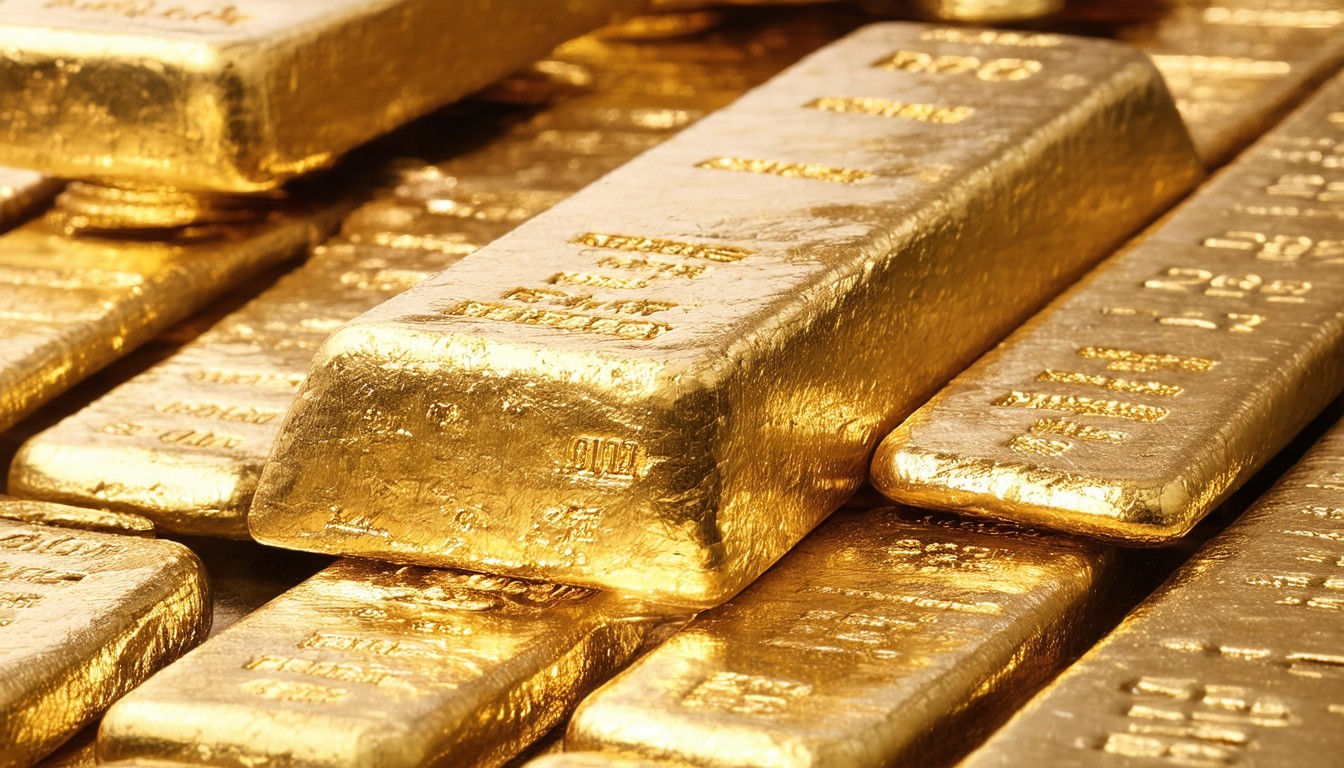
Gold has long been a barometer of global economic sentiment. From investors tracking live gold rates for tactical moves, to families buying ornaments during wedding seasons, gold price trends possess deep socio-economic resonance. With market volatility remaining elevated in recent years, real-time gold price updates have attracted even casual observers, signaling its enduring status as a safe haven. But what really drives gold prices, and how are today’s rates shaped by broader economic currents?
Gold Price Today: Reading Live Rates
Live gold rates are determined on exchanges such as the London Bullion Market and COMEX in New York, then re-broadcast globally by financial news sources. The quoted price (typically in USD per ounce) fluctuates minute by minute as global demand meets supply. Today, as inflationary pressures and geopolitical uncertainty persist, investors pay special attention to these real-time updates.
Several key data feeds power the accuracy and timeliness of rate dissemination. Mobile apps, bank platforms, and bullion retailers all harness these feeds to provide spot prices, historical charts, and market commentary. For instance, a surge in app usage was observed during the 2023 banking crisis, as retail investors rushed to monitor price swings and execute trades instantly.
Beyond just numbers, live gold rates reflect collective market psychology—the interplay of risk appetite, central bank action, and expectations about inflation or interest rates.
Core Factors Influencing Gold Prices
Macroeconomic Forces
Gold’s reputation as a hedge against inflation and uncertainty makes it closely tied to macroeconomic developments. When inflation rises or fiat currencies weaken, investors often move funds into gold, boosting its price.
- Inflation & Interest Rates: Historically, prolonged periods of above-average inflation drive gold prices higher, as people seek stores of value. Conversely, rising interest rates tend to suppress gold demand, since investors may find bond yields more attractive.
- Central Bank Policy: Major central banks, especially the Federal Reserve, influence gold prices through monetary tightening or easing. During the rate hikes of 2022–2023, gold briefly dipped as the U.S. dollar gained strength, but soon rebounded as recession fears grew.
- Geopolitical Instability: Conflicts, trade wars, or pandemics push gold prices up by triggering flights to safety. The COVID-19 crisis led to one of the sharpest gold bull runs of the century, peaking near all-time highs in 2020.
Supply and Demand Dynamics
While macro factors grab headlines, physical supply and demand play a persistent role.
- Mining Output: New gold supply depends on global mining productivity and costs. Disruptions from strikes, regulation, or resource depletion can tighten supply, supporting higher prices.
- Jewelry and Industrial Demand: In countries like India and China, cultural seasons create predictable waves of jewelry buying, which temporarily lifts global demand.
- Central Bank Reserves: Many central banks diversify their reserves with gold purchases, sometimes on a massive scale. These actions signal long-term confidence (or lack thereof) in paper currencies.
"Gold is a mirror to risk appetite. It reflects not just inflation or rates but deep-seated anxieties—and hopes—about the world economy."
— Priya Malhotra, Global Markets Strategist
Recent Gold Price Trends and Market Sentiment
Over the past 18 months, gold prices have demonstrated both resilience and volatility. Following a brief dip during rapid U.S. rate hikes, the price per ounce steadily climbed through late 2023 as inflation lingered and banking sector stresses emerged. Central banks in Asia increased gold reserves, lending further support.
Traders point to shifting sentiment: while institutional investors use gold as a portfolio hedge, retail investors have increasingly embraced digital avenues for gold exposure, such as ETFs and app-based platforms. Industry data suggests a significant jump in digital gold transactions in markets like India and Southeast Asia.
Meanwhile, options and futures trading volumes indicate significant speculation—and occasionally heightened volatility—when major economic data releases (such as U.S. employment reports or inflation data) surprise markets. These episodes often drive gold prices to move sharply in short spans.
How Investors Use Gold Price Data: Strategies and Insights
Tactical Asset Allocation
Investors utilize live gold rates to make real-time decisions on buying, selling, or holding positions. For example, a sharp rise in gold’s price might prompt profit-taking, while sudden declines can trigger bargain hunting. Many investors use technical analysis, examining chart patterns and historical support/resistance levels to guide short-term moves.
Long-Term Hedging
For many, gold is a strategic hedge against systemic risks—currency devaluation, prolonged inflation, or financial crises. Central banks and institutional funds tend to adjust gold allocations based on macro outlooks, not just fleeting price movements.
Market Signals for Broader Assets
Gold prices serve as a useful signal for other asset classes. If gold surges while stocks fall, it often indicates rising risk aversion and may prompt portfolio rebalancing across sectors.
Digital Gold and ETF Growth
Accessibility has expanded as fintech products allow fractional gold ownership. The growth of gold-backed ETFs provides liquidity, transparency, and convenience, further integrating gold price movements into everyday financial decisions.
Real-World Examples: Gold Price Trends in Action
- COVID-19 Response (2020): Gold prices soared close to record highs as global uncertainty spiked and monetary stimulus flooded markets.
- 2022–2023 Inflation Surge: When inflation hit multi-decade highs in developed markets, gold initially lagged but later outperformed as central banks slowed their rate hikes and safe-haven demand returned.
- Shifting Demand in Emerging Markets: Rising middle-class affluence and increased financial literacy in Asia and Latin America have contributed to robust and sometimes counter-cyclical gold buying patterns.
Financial advisors increasingly recommend “gold sleeves” in diversified portfolios, reflecting the metal’s unique role in risk management. Nonetheless, it’s important to note that, like any commodity, gold prices remain susceptible to rapid changes driven by a mix of economic news, technical factors, and behavioral trends.
Conclusion: Navigating Gold Price Volatility for Informed Decisions
Live gold prices are more than just a scrolling ticker—they encapsulate a complex interplay of economic, financial, and psychological drivers. Understanding both the immediate market reactions and deeper, structural factors can empower individuals, traders, and policy-makers to make better-informed choices. As globalization accelerates and new financial instruments emerge, staying attuned to gold price movements is likely to remain a vital part of financial literacy and strategy. For those contemplating investment decisions or simply tracking market sentiment, context is as valuable as the number on the screen.
FAQs
How are live gold prices determined?
Live gold prices reflect transactions on international exchanges such as LBMA and COMEX, driven by real-time supply and demand, currency movements, and market sentiment.
What are the main factors influencing gold price fluctuations?
Key drivers include inflation, interest rates, geopolitical events, mining output, jewelry and industrial demand, and central bank activity.
Is investing in gold a good hedge against inflation?
Gold is viewed as an effective store of value during periods of high inflation, though its performance varies with broader financial conditions and market cycles.
How do gold ETFs affect the market?
Gold-backed ETFs increase market accessibility, allowing investors to buy or sell gold exposure easily, potentially amplifying both price rises and falls.
What impacts gold price more, physical demand or financial markets?
While both are important, in the short term, financial flows, futures trading, and currency shifts tend to have a more immediate impact than physical demand.
Where can I check the live gold rate?
Reliable sources include financial news websites, bullion dealer portals, banking apps, and dedicated market monitoring platforms such as Kitco or Investing.com.









Leave a comment