


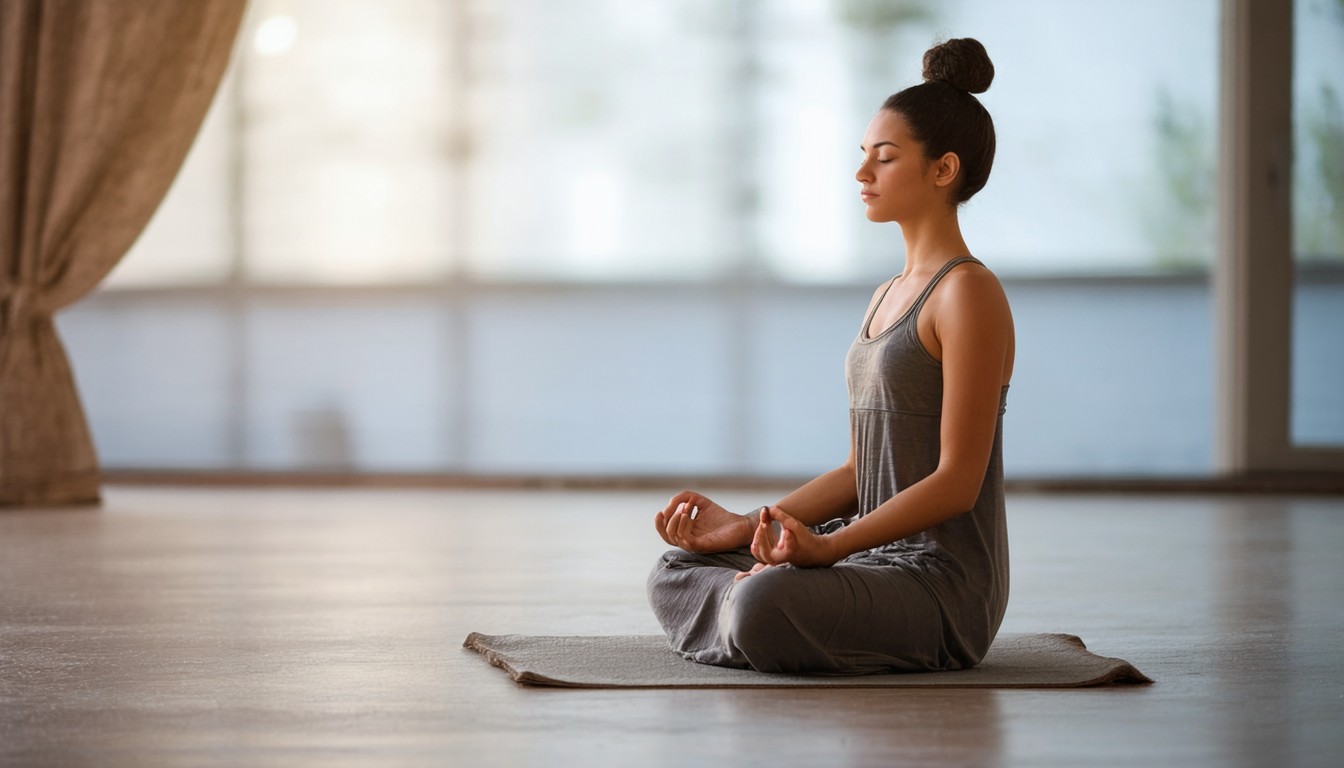
In an age defined by relentless information, societal pressures, and digital distractions, stress has become a near-universal experience. Surveys consistently reveal that a significant portion of adults report feeling stressed “often” or “very often”—a trend only heightened by global uncertainty and rapid change. Within this fast-paced environment, daily meditation is being rediscovered as a powerful tool not only for managing stress but also for supporting broader well-being. While meditation has roots in ancient wisdom traditions, a mounting body of scientific evidence now validates its tangible health benefits, making it a compelling practice for both novice and experienced practitioners.
How Daily Meditation Reduces Stress: Mechanisms and Evidence
The Science of Mindful Calm
Research demonstrates that meditation techniques—including mindfulness, focused attention, and breathwork—can produce measurable changes in both mind and body. Regular practice is linked to reduced activation of the sympathetic nervous system, the branch responsible for the “fight or flight” response. As a result, meditators often experience lower cortisol levels, improved emotional regulation, and increased resilience to stressors.
Clinical trials from respected institutions have consistently found that individuals who meditate daily report less perceived stress and greater overall calm compared to those who do not. For example, an eight-week mindfulness-based stress reduction (MBSR) program helped participants not only reduce anxiety but also improve their ability to focus and manage everyday challenges.
"Daily meditation changes how our brains process stress—shifting us toward greater clarity, emotional balance, and self-compassion," explains Dr. Amishi Jha, a neuroscientist and mindfulness researcher.
Real-World Applications
In practical terms, meditation has found a home in workplaces, schools, and clinical settings. Tech companies, for instance, offer guided meditation sessions as part of their employee wellness programs, citing improvements in morale and reduced burnout rates. Likewise, hospitals now often integrate meditation into chronic pain and mental health care, recognizing its capacity to complement traditional therapies.
Key Health Benefits of Daily Meditation Beyond Stress Relief
Improved Mental Health and Emotional Resilience
Meditation’s impact goes far beyond momentary relaxation. Studies have found that consistent meditation helps decrease symptoms of depression and anxiety. Mindfulness meditation, in particular, encourages awareness of negative thought patterns without judgment, making it easier to respond to life’s difficulties with equanimity.
Enhanced Focus and Cognitive Function
Numerous studies suggest that meditation can sharpen concentration and boost memory. Regular practitioners often report better task performance and reduced mind-wandering. In professions that demand sustained attention—like medicine, law, or athletics—this benefit is particularly prized.
Better Sleep Quality
Sleep experts increasingly recommend meditation as a non-pharmacological intervention for insomnia and poor sleep quality. Guided meditations, body scans, and mindful breathing exercises before bed help quiet mental chatter and ease the transition into restorative sleep.
Cardiovascular Support and Immune Function
Meditation not only calms the mind but also yields benefits for the body. Some research points to improvements in heart rate variability, blood pressure regulation, and even markers of inflammation—all factors tied to overall cardiovascular health. Meditators may also experience fewer minor illnesses, possibly due to reduced chronic stress and improved immune resilience.
Meditation in Everyday Life: Practical Strategies and Tips
Getting Started and Building a Sustainable Routine
For many, the greatest hurdle is not understanding the benefits but establishing a daily practice. Experts advise that beginners start with short, manageable sessions—perhaps five to ten minutes—focusing on the breath or a simple mantra. Over time, the practice can be expanded as comfort and curiosity grow.
Integrating Meditation into Modern Lifestyles
Busy schedules often pose a barrier, but meditation’s flexibility means it can fit almost anywhere: a quiet morning moment, a midday break at the office, or a calming transition before bedtime. Digital tools—like meditation apps and online guided sessions—make the practice even more accessible.
Real-World Case: Office Wellness Initiatives
Consider the example of a major multinational bank that introduced short, optional mindfulness sessions as part of its employee wellness portfolio. Within six months, many participants noted reduced workplace stress and enhanced job satisfaction. Feedback also indicated improved collaboration and more thoughtful communication within teams.
Addressing Misconceptions and Building Consistency
While many are intrigued by meditation, misconceptions persist. Some believe meditation requires emptying the mind entirely or achieving a special state. In reality, meditation is less about perfect stillness and more about developing awareness and acceptance of the present moment.
Tools for building consistency include:
- Setting a regular time and place for practice
- Joining a group or buddy system for accountability
- Tracking progress in a journal or with an app
Most importantly, experts remind individuals that meditation is a personal journey, and occasional distractions or lapses are entirely normal.
Conclusion: Embracing Meditation as a Modern Health Strategy
Daily meditation offers accessible, evidence-backed relief from stress and supports a spectrum of health benefits—from sharper focus and emotional resilience to improved sleep and cardiovascular wellness. As scientific understanding deepens and social attitudes evolve, meditation is increasingly recognized not as an exotic or esoteric activity, but as a practical, powerful tool for thriving in a stressful world. Individuals seeking better well-being can benefit from making meditation a part of their regular routine, adapting the practice to suit personal lifestyles and needs.
FAQs
How long should I meditate each day to see stress relief?
Most research indicates that even 10 to 20 minutes of daily meditation can produce noticeable benefits, though longer or more frequent sessions may offer greater relief over time.
Do I need special equipment or training to start meditating?
No special equipment is necessary; meditation can be practiced anywhere you can find a few quiet minutes. Many beginners find guided meditations or smartphone apps helpful in getting started.
Can meditation replace therapy or medication for stress or anxiety?
Meditation can be a powerful adjunct for mental health, but it is not a replacement for medical advice or therapy for those with serious psychological conditions. Always consult a healthcare professional for personalized care.
Is it normal for my mind to wander during meditation?
Yes, mind-wandering is a common experience for meditators at all levels. The purpose of meditation is to gently return your focus whenever you notice distractions, cultivating patience and awareness over time.
Are there different types of meditation for stress?
Yes, popular methods include mindfulness, guided imagery, body scan, and loving-kindness meditation. Experimenting with various styles can help you discover what resonates most.











Leave a comment