


In January 2024, the arrival of spot bitcoin exchange-traded funds (ETFs) triggered a seismic shift in the U.S. investment landscape. Spearheading this new frontier is BlackRock’s iShares Bitcoin Trust ETF, trading under the ticker symbol IBIT. The launch attracted unprecedented inflows, quickly establishing IBIT as one of the most significant vehicles for mainstream crypto exposure. For investors and market watchers, IBIT stock now sits at the crossroads of digital assets and traditional finance—carrying both promise and complexity.
IBIT Stock Price Performance: Key Trends and Movements
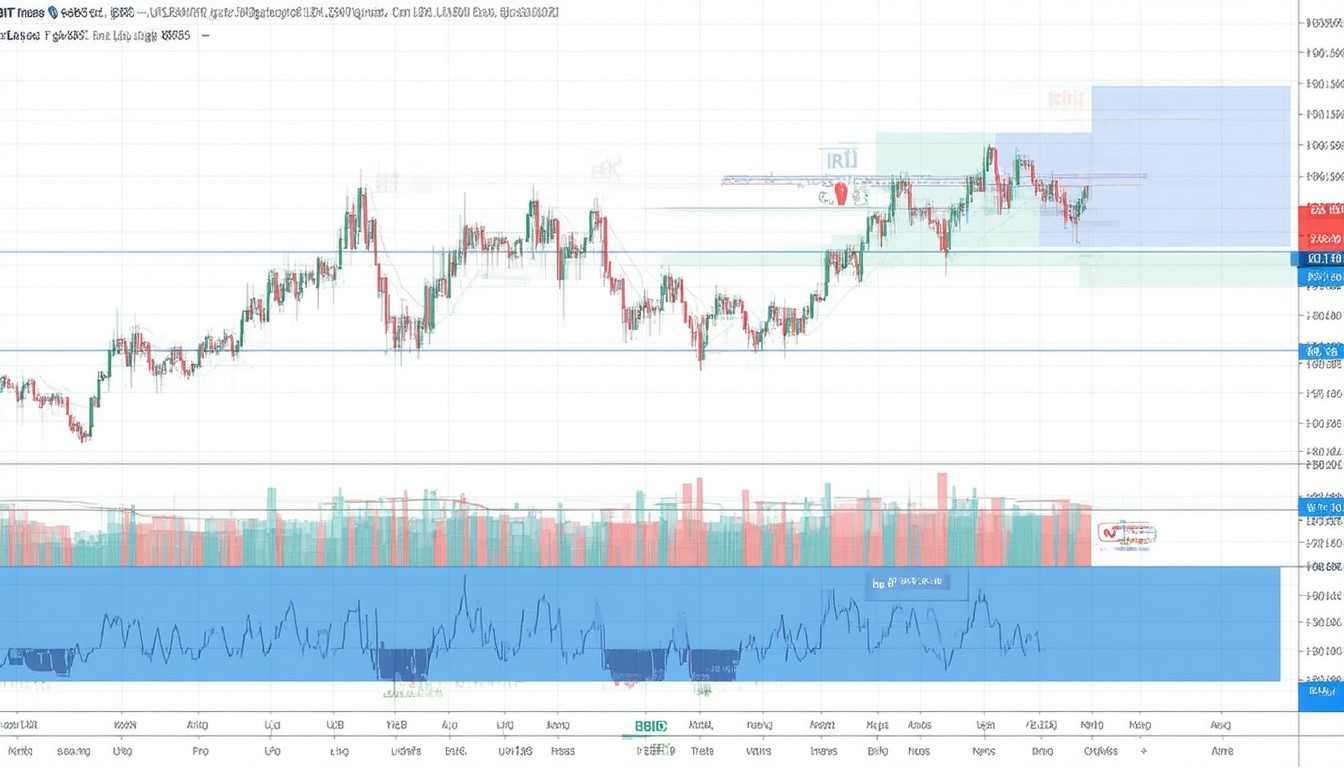
Tracking IBIT’s price since its debut provides insight not only into investor sentiment but also into the broader adoption of cryptocurrencies in regulated markets. Upon launch, IBIT’s price closely mirrored the spot price of bitcoin, given its structure as a physically-backed ETF. In its first days, impressive trading volumes and inflows underscored pent-up demand.
Unlike earlier bitcoin investment products, IBIT’s price efficiency is enabled by in-kind creation and redemption—a process allowing authorized participants to directly exchange bitcoin and ETF shares. This innovation has kept IBIT’s net asset value (NAV) tightly in line with its trading price, minimizing the premiums and discounts that plagued prior crypto funds.
Beyond these features, IBIT’s real-time price action tends to serve as a barometer for bitcoin sentiment on Wall Street. Major swings often follow overall bitcoin price volatility, regulatory news, or big-picture developments in the crypto sector. For instance, market rallies in bitcoin tend to amplify flows into IBIT, although risk-off environments can drive short-term outflows or price pullbacks.
IBIT Stock News and Market Dynamics
Beneath the pricing data, news flow and macro market trends have been instrumental in shaping IBIT’s profile. Multiple factors have converged:
Record-Breaking Inflows and Investor Interest
Since its inception, IBIT has regularly reported billions in assets under management (AUM) within weeks, at times outpacing legacy commodity ETFs. This rapid growth reflects both retail and institutional demand for regulated bitcoin exposure, bypassing complexities of crypto wallets or direct exchange accounts.
Regulatory Shifts and Their Impact
The debut of IBIT followed years of debate at the U.S. Securities and Exchange Commission (SEC) over the suitability of spot bitcoin ETFs. The successful launch signaled growing regulatory acceptance, though headlines about SEC reviews, tax treatment, and custodial safety can still affect IBIT’s market perception.
Industry Partnerships and Custody Arrangements
IBIT’s operation relies on high-profile partnerships ranging from Coinbase (custodian for physical bitcoin) to select liquidity providers. Any changes in these arrangements, such as upgrades in security or custody practices, tend to draw attention from analysts and investors alike.
"The arrival of spot bitcoin ETFs marks a milestone in the integration of digital assets with mainstream finance. Products like IBIT deliver institutional-grade access—coupled with all the transparency and liquidity investors expect from ETFs."
— Matthew Bartolini, Head of SPDR Americas Research, State Street Global Advisors (paraphrased for clarity)
IBIT Stock Chart Analysis: Technical Perspectives
For technically-oriented investors and traders, reading IBIT’s price chart can reveal additional layers of information beyond headline news or macro trends.
Volume and Liquidity Patterns
IBIT’s consistent high trading volume increases price transparency and narrows bid-ask spreads, making it an attractive vehicle for larger trades. Liquidity spikes often coincide with broader market volatility—especially during bitcoin price surges or regulatory announcements.
Correlations and Divergence
IBIT’s chart generally tracks the spot price of bitcoin, displaying high correlation. However, temporary divergences can emerge, especially during turbulent hours when bitcoin’s price shifts dramatically outside core stock market sessions. These moments can introduce brief premium or discount windows, often corrected quickly thanks to arbitrage mechanisms.
Chart Indicators and Market Sentiment
Popular technical tools such as moving averages, RSI (Relative Strength Index), and MACD are frequently applied to IBIT. Analysts watch these indicators for clues as to whether “digital gold” is oversold, overbought, or entering new bullish or bearish phases. Chart patterns—such as consolidation or breakout formations—can foreshadow shifts in investor mood.
IBIT Stock Forecast: Analyst Sentiment and Scenarios
Looking to the months ahead, forecasting IBIT’s trajectory involves both quantitative modeling and qualitative analysis. While price targets remain speculative, several concrete drivers influence IBIT’s outlook.
Bitcoin Price Trends and Halving Cycles
As a physically-backed ETF, IBIT’s value is directly tied to bitcoin itself. Historical patterns show that bitcoin often experiences significant price appreciation following halving events, which reduce the rate of new coins entering circulation. If these trends persist, IBIT could see continued inflows and higher NAVs.
Institutional Adoption
Survey data from leading asset allocators reveal a steady increase in demand for bitcoin ETFs, especially as institutions seek portfolio diversification and inflation-hedging instruments. The growing acceptance of IBIT and similar products in multi-asset portfolios may drive sustained growth.
Regulatory Environment
While the SEC’s approval of spot bitcoin ETFs marks progress, ongoing policy debates remain. Future regulatory clarity—whether concerning custody, taxation, or leverage—could unlock further growth or, conversely, introduce new obstacles.
Risks and Uncertainties
No investment is without risk. IBIT faces price volatility inherited from the underlying bitcoin market, ongoing scrutiny from policymakers, and the possibility of operational risks typical of emerging ETF structures. Investors must weigh these factors carefully.
Strategic Analysis: Is IBIT a Game-Changer for Crypto Investing?
Beyond near-term forecasts, IBIT’s launch points to larger shifts in the landscape of digital asset investing.
Democratizing Access to Bitcoin
By enabling straightforward bitcoin exposure through traditional brokerage accounts, IBIT lowers entry barriers for adoption. This democratization is especially important for advisors or institutions constrained from direct crypto trading due to regulatory or operational hurdles.
Setting Precedents for Future Crypto Products
IBIT’s operational model and rapid success have provided a blueprint for future digital asset ETFs—potentially spanning ether, defi tokens, and beyond. The ETF’s transparency, liquidity, and regulatory standing may accelerate further innovation within U.S. markets.
Competitive Landscape
While IBIT dominates in early inflows, competition from funds like the Grayscale Bitcoin Trust (GBTC) and other new ETFs remains fierce. Ultimately, fees, liquidity, institutional partnerships, and operational excellence will dictate long-term leadership in the space.
Conclusion: Key Takeaways on IBIT Stock
IBIT stock stands at the forefront of a new era merging traditional finance with the digital asset economy. Its transparent structure, robust liquidity, and regulatory approval have set a new standard for cryptocurrency ETFs. Nevertheless, as with any emerging product, investors must closely monitor regulatory changes, market volatility, and shifts in institutional sentiment. IBIT’s ongoing evolution will likely continue shaping the narrative for bitcoin and digital assets on Wall Street—making it essential viewing for both crypto enthusiasts and traditional investors.
FAQs
What is IBIT stock and how does it work?
IBIT is the ticker symbol for the iShares Bitcoin Trust ETF, a fund that provides direct exposure to bitcoin by holding the cryptocurrency in custody. Shares of IBIT trade on traditional stock exchanges, allowing investors to gain bitcoin exposure without digital wallets or crypto exchanges.
How is IBIT stock price determined?
IBIT’s price tracks the market value of bitcoin, since the ETF is physically backed and designed to mirror bitcoin’s spot price. High liquidity and in-kind mechanisms help minimize price discrepancies between IBIT and the underlying bitcoin assets.
Is IBIT stock a safe investment?
Like all crypto-related assets, IBIT carries volatility and regulatory risks. However, as a regulated ETF run by BlackRock, it offers institutional-grade custody and oversight that distinguishes it from unregulated crypto investments.
How does IBIT compare to other bitcoin ETFs?
IBIT quickly gained market share thanks to strong inflows, tight pricing, and BlackRock’s reputation. However, it faces competition from other spot bitcoin ETFs, some with different fee structures or operational models.
Can IBIT be used in tax-advantaged accounts?
Yes, IBIT can be bought and held in traditional brokerage, IRA, and other tax-advantaged accounts, making it a convenient vehicle for various investment strategies.
What are the main risks of investing in IBIT?
Key risks include underlying bitcoin price volatility, potential regulatory changes affecting the crypto industry, and risks associated with new ETF infrastructure. Investors should educate themselves and consider risk tolerance before investing.










Leave a comment