


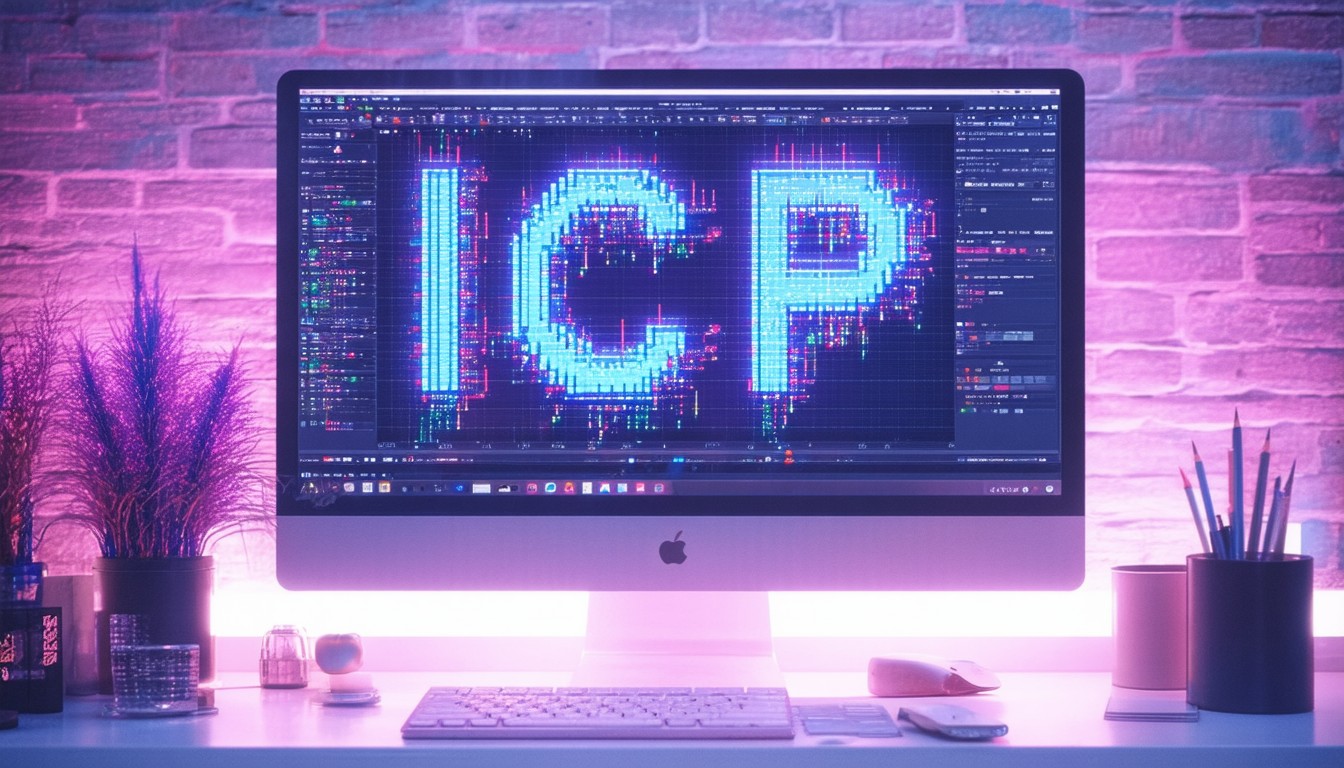
The Internet Computer (ICP), developed by the DFINITY Foundation, stands as a bold experiment: reimagining the very architecture of the internet through decentralization. This ambitious blockchain project aims to give developers a platform to build scalable, secure web services and applications—without the bottleneck of traditional cloud providers. As a result, the ICP price attracts widespread attention from investors, developers, and analysts tracking the evolving intersection of crypto technology and web infrastructure.
Over recent years, many major cryptocurrencies have experienced significant volatility, and ICP is no exception. Its price trajectory has mirrored the broader crypto market’s swings, but also carries unique factors tied to adoption, governance, and technical development within the Internet Computer ecosystem.
What Drives the ICP Price? Key Factors in Market Dynamics
Core Utility and Tokenomics
At its core, ICP is more than a speculative asset—it's the operational fuel for the Internet Computer network. The token is utilized in:
- Voting on governance proposals via the Network Nervous System (NNS)
- Pay-for computation and storage costs on-chain
- Rewarding node providers and developers
The interplay between these functions underpins ICP's economic value. Scarcity is engineered by network operations, as cycles (which power computation) are created by burning ICP tokens.
Sentiment, Trading Volume, and Market Conditions
In the broader crypto sector, price discovery is rarely driven by fundamentals alone. ICP’s price history reflects:
- Overall market sentiment (Bitcoin and Ethereum trends often affect altcoins)
- Trading volumes and liquidity on major exchanges such as Binance and Coinbase
- News cycles, partnerships, and public perception of decentralized web potential
Regulatory announcements or shifts in global technology trends can also lead to substantial price volatility, sometimes overshadowing fundamental progress in the ICP ecosystem.
Adoption—Real-World Decentralized Applications (dApps)
Internet Computer’s long-term value depends in no small part on developer engagement and dApp adoption. With projects like DSCVR (a decentralized social media platform) and CanCan (a decentralized video-sharing service), the ecosystem is testing real-world utility—key for sustainable growth.
"Decentralized platforms like the Internet Computer represent the next evolution of the web, but mainstream adoption—and thus price stability—still hinges on robust developer activity and user engagement," says blockchain strategist Elena Gavrilova.
Live ICP Value: Tracking Real-Time Price and Charts
ICP price is updated in real time on leading crypto data aggregators such as CoinMarketCap and CoinGecko. These platforms typically show:
- Current price in USD and other fiat currencies
- 24-hour change (percentage and value)
- Trading volume and liquidity
- Market capitalization
- Price charts (hourly, daily, weekly trends)
Beyond the spot price, advanced traders often monitor:
- Historical highs and lows
- Important resistance and support levels from technical charting
- On-chain metrics and supply movement
While real-time price tools can aid decision-making, it's critical to pair chart analysis with an understanding of macro trends shaping the broader market.
Technical Analysis of ICP: Patterns, Trends, and Volatility
Chart Patterns and Technical Indicators
Like most crypto assets, ICP demonstrates marked volatility. Short-term price swings can be pronounced—particularly around network upgrades or major announcements.
Traders and analysts often utilize classic charting patterns:
- Double bottoms/tops, head and shoulders, ascending triangles
- Support/resistance levels and trend channels
Key technical indicators include:
- Relative Strength Index (RSI) for overbought/oversold signals
- Moving Averages (MA) for trend analysis
- Bollinger Bands for volatility assessment
Notably, after its May 2021 debut, ICP experienced a rapid price spike and correction. Since then, periods of consolidation suggest the market is seeking a sustainable valuation level as fundamentals develop.
Volatility in Context: Comparing to Other Crypto Assets
ICP’s volatility is not out of line with most of the top 50 cryptocurrencies but tends to be accentuated by its dual identity as both an infrastructure protocol and a speculative asset. Volatility may present risks, but also opportunities for traders who understand both technical and fundamental contexts.
ICP in the Broader Crypto Market: Comparisons and Interrelationships
Interplay with Bitcoin, Ethereum, and Other Web3 Projects
Internet Computer’s ambitious goal of running the world’s code on-chain means its performance is often compared to Ethereum and newer Web3 contenders like Solana or Avalanche. While not a “Layer 1” in the traditional sense, ICP’s decentralized compute capability puts it in competition and collaboration with these networks.
- Positive developments in Ethereum scaling or regulatory clarity for Web3 can buoy sentiment across the sector, including ICP.
- Conversely, sluggish dApp growth or developer migration to other platforms can exert downward pressure on the ICP price.
Institutional Adoption and Partnerships
Recent years have seen a slow uptick in institutional awareness of the Internet Computer, with some venture funds backing ecosystem projects. Partnerships with enterprise or cross-chain interoperability initiatives could be important catalysts for future price movements.
Risks, Opportunities, and the Road Ahead
Addressing Uncertainties
The crypto market remains inherently high risk. ICP investors should be mindful of:
- Regulatory changes, especially those affecting token utility or securities classification
- Competition from other decentralized compute or smart contract platforms
- Security vulnerabilities or network disruptions
On the opportunity side, should the Internet Computer achieve its long-term vision of a fully decentralized internet layer, both usage metrics and token demand could surge—potentially supporting higher valuations.
Community and Governance
Decision-making within the ICP ecosystem is managed on-chain through the Network Nervous System, enabling token holders to steer protocol development. This direct community involvement is both a strength and a potential source of unpredictability—as decisions can dramatically alter incentives or network structure.
Conclusion: Navigating the ICP Price Landscape
The ICP price is shaped by a confluence of technology evolution, speculative interest, and the shifting winds of the broader crypto economy. As the Internet Computer matures, continual monitoring of developer activity, technical milestones, and market conditions will be essential for any stakeholder—whether an investor, builder, or observer. While volatility is likely here to stay, ICP’s journey offers a compelling view into the challenges and aspirations of the decentralized web movement.
FAQs
What is ICP and why does its price fluctuate?
ICP (Internet Computer Protocol) is the native token for the Internet Computer blockchain, used for network governance and powering computational resources. Its price fluctuates due to market sentiment, adoption rates, and broader trends within the cryptocurrency landscape.
How can I track the live price of ICP?
You can monitor ICP's live price and historical data on major crypto data sites like CoinMarketCap, CoinGecko, and exchange platforms. These resources display real-time prices, market cap, volume, and interactive charts.
What factors impact the future price of ICP?
Factors influencing ICP’s future price include technical advancements on the network, developer and user adoption, global crypto regulations, and broader market cycles. Project partnerships and ecosystem growth also play a role.
Is ICP considered a good investment?
ICP, like all cryptocurrencies, is speculative and carries risk. Potential investors should consider volatility, technological development, and how fundamental demand for decentralized computation may affect long-term token value.
How does ICP compare to Ethereum or Solana?
ICP shares ambitions with platforms like Ethereum and Solana but differentiates itself by facilitating fully on-chain web services. While all aim to expand decentralized applications, their technical frameworks and growth strategies diverge.
What is the role of the Network Nervous System (NNS) in the ICP ecosystem?
The Network Nervous System enables decentralized governance, allowing ICP holders to propose and vote on protocol upgrades. This system empowers the community, enhancing both the network’s adaptability and its unpredictability.









Leave a comment