


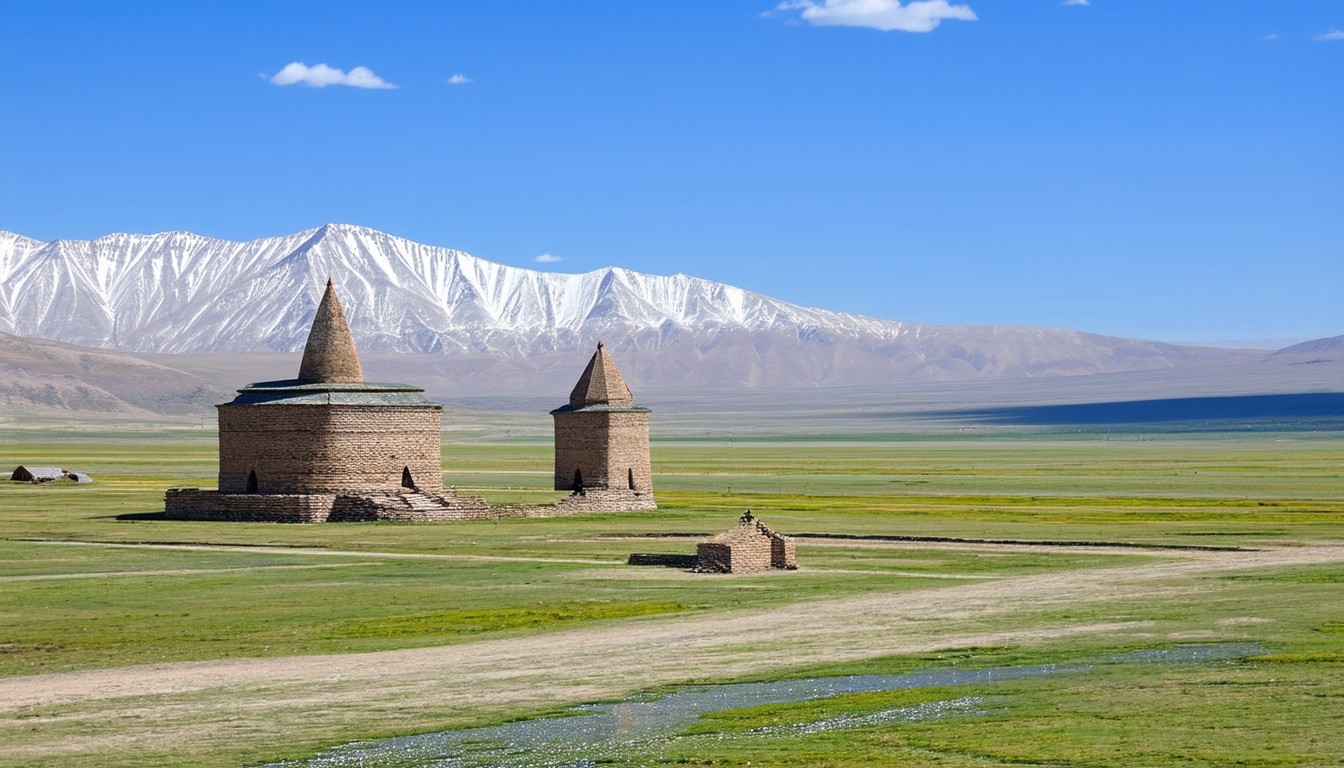
Bound by snow-capped peaks and crisscrossed by ancient Silk Road trails, Kyrgyzstan is quickly emerging on the global travel radar. While the Central Asian country has long been famous among seasoned trekkers and nomads at heart, it’s now attracting families, culture lovers, and adventure seekers with its seamlessly woven tapestry of spectacular landscapes and living traditions. From the mirror-like surface of Issyk-Kul Lake to the wild yurt camps high in the Tian Shan mountains, Kyrgyzstan offers experiences that rival those of much more heavily touristed destinations, but with more authenticity and far fewer crowds.
Majestic Nature: From Alpine Lakes to Endless Steppe
Issyk-Kul Lake: The Pearl of Central Asia
Often dubbed “the jewel of Kyrgyzstan,” Issyk-Kul is the world’s second-largest alpine lake and a marvel of geography. Framed by towering peaks, its shores serve as the summer playground for locals and travelers alike, offering opportunities for swimming, sailing, windsurfing, and thermal bathing. The nearby town of Cholpon-Ata is famous for its petroglyphs—ancient rock carvings that offer a window into the region’s rich past.
On the western end, the village of Tamga and adjacent sand beaches provide a more tranquil alternative, where travelers can camp or stay in local guesthouses while soaking in remarkable sunsets.
Trekking in the Tian Shan Mountains
For outdoor enthusiasts, few places rival the unspoiled wilderness of the Tian Shan (“Heavenly Mountains”). Some of Kyrgyzstan’s most iconic treks, such as the Ak-Suu Transverse and Ala-Kul Lake route, navigate pristine alpine landscapes dotted with wildflowers and inhabited by golden eagles and marmots.
“Kyrgyzstan is one of the last frontiers for trekkers—offering sublime, crowd-free trails where you can hike for days surrounded by nothing but mountains and sky,” notes Janice Russell, a travel consultant specializing in Central Asia.
Organized treks often include overnight stays in yurts, enabling visitors to experience traditional nomadic hospitality while sampling local delicacies like fermented mare’s milk (kumis) and fresh bread baked in clay ovens.
Exploring Unique Valleys: Jeti-Ögüz and Fairytale Canyon
The red sandstone cliffs of Jeti-Ögüz, just outside Karakol, have become one of the nation’s signature landscapes. The “Seven Bulls” formation is both photo-worthy and myth-laden, while the green valleys surrounding it are peppered with wild horses and herdsmen’s yurts. Nearby, Skazka (“Fairytale”) Canyon enchants with its fantastical rock formations, making it a photographer’s dream and a favorite stop for overland adventurers.
Cultural Immersion: Kyrgyz Traditions and Historic Sites
Nomadic Heritage in Action
Kyrgyzstan’s roots run deep with the traditions of the steppe, from horsemanship to felt-making. Throughout the summer, festivals like the World Nomad Games (hosted near Cholpon-Ata) draw thousands to witness mounted archery, eagle hunting, wrestling, and kok-boru—a thrilling polo-like sport using a goat carcass in lieu of a ball. These events provide a living showcase of skills honed over millennia.
Yurt Stays and Village Experiences
Sleeping in a yurt remains an essential Kyrgyz experience. In mountain villages such as Kyzyl-Oi or at eco-yurt camps along trekking routes, guests are welcomed like family. These communities often invite visitors to join in bread baking, cheese making, or traditional music performances—an intimate way to connect with a resilient semi-nomadic culture.
Uncovering Silk Road History: Tash Rabat and Burana Tower
Historical landmarks enrich the Kyrgyz steppe. Tash Rabat, a remote stone caravanserai nestled in a valley near the Chinese border, once sheltered Silk Road traders braving snow and bandits. Today, it stands as a silent sentinel to centuries of cultural exchange.
Closer to Bishkek, the 11th-century Burana Tower and its surrounding open-air museum of petroglyphs and balbals (stone warriors) invite exploration. A climb up the spiral staircase rewards with panoramic views of the fertile Chuy Valley, evoking the pulse of long-ago journeys across Eurasia.
Adventure Activities: Beyond Trekking
Horseback Riding Through the Kyrgyz Heartland
Kyrgyzstan is a land of horses and riders, where learning basic horsemanship is possible for visitors of all ages. Multi-day horseback tours traverse hidden valleys, remote villages, and high-altitude lakes—covering terrain inaccessible to vehicles.
Kyrgyz guides, often from local families, imbue rides with personal stories and practical wisdom passed down through generations. Even beginners can join shorter excursions, such as sunset rides above Song-Kul or Chu River.
Winter Sports and Mountain Escapades
While most travelers arrive in summer, Kyrgyzstan’s ski resorts—like Karakol—are gaining recognition for their powder snow and accessible freeriding terrain, all at a fraction of the cost of European or North American resorts. In winter, opportunities abound for ski touring, snowshoeing, and backcountry adventures, with mountain guides keen to unveil hidden slopes.
Off-the-Beaten-Path: Sary-Chelek and Arslanbob
For those craving solitude, Sary-Chelek Biosphere Reserve boasts untouched forests and deep blue lakes, ideal for hiking, birdwatching, and kayaking amid pristine wilderness. Similarly, Arslanbob’s ancient walnut forests—the largest in the world—harbor waterfalls, friendly villages, and local guides who know every secret path.
Urban Gateways: Bishkek and Osh
Bishkek: Modern Capital with Soviet Flair
Bishkek, Kyrgyzstan’s leafy capital, mixes wide boulevards and monumental Soviet architecture with bustling bazaars and hip cafés. Ala-Too Square hosts frequent cultural events, while the Osh Bazaar teems with spices, textiles, and handcrafts. Art enthusiasts will find burgeoning contemporary galleries collaborating with regional artists and craft collectives.
Osh: Ancient Marketplace, Southern Culture
Far older than Bishkek, Osh is Central Asia’s “second city” and famed for its role in Silk Road trade. The Suleiman-Too Sacred Mountain, a UNESCO World Heritage Site, towers above the city, attracting pilgrims and sightseers alike. Osh’s bustling bazaar is legendary—an open-air maze of spices, dried fruit, and local ceramics.
Sustainable & Responsible Travel in Kyrgyzstan
Tourism in Kyrgyzstan is still developing, offering visitors a rare chance to contribute positively to local economies and traditional lifeways. Community-based tourism (CBT Kyrgyzstan) is a leading model: guesthouse stays, guided treks, and village tours all directly benefit local people while preserving cultural and natural heritage.
Adventurers, in turn, are advised to tread lightly—respect camp etiquette, minimize waste, and seek out operators committed to social and environmental sustainability. In practice, this approach attracts a growing segment of eco-conscious travelers invested in meaningful exchanges over mass-market experiences.
Conclusion: Kyrgyzstan—Where Timeless Beauty Meets New Adventures
Kyrgyzstan represents an unspoiled arc of mountain wilderness and vibrant tradition, uniquely accessible yet far from the trappings of over-tourism. From trekking among the Tian Shan’s jagged peaks to sampling kumis in a remote yurt, Kyrgyzstan delivers an experience both authentic and transformative. As global travelers search for destinations that blend adventure, culture, and genuine hospitality, Kyrgyzstan offers not just things to do, but ways to connect—with landscape, heritage, and a resilient spirit that echoes across the centuries.
FAQs
What is the best time to visit Kyrgyzstan?
The most popular months are June to September, when mountain trails and lakes are accessible and festivals abound. Winter sports are possible from December to March in areas like Karakol or Jyrgalan.
Do I need a visa to visit Kyrgyzstan?
Visa requirements vary by nationality, but many travelers can enter visa-free or obtain an e-visa. It’s essential to check the latest information with the Kyrgyz government or your local embassy before arrival.
Is it safe to travel independently in Kyrgyzstan?
Kyrgyzstan is considered relatively safe for travelers. Roads can be challenging, and remote areas require preparation, but local hospitality and a growing tourism infrastructure make independent travel feasible.
How do I experience nomadic culture in Kyrgyzstan?
Staying in yurt camps, joining village festivals, and booking with community-based tourism organizations all provide direct access to Kyrgyz nomadic traditions.
Are English speakers common in Kyrgyzstan?
English is increasingly spoken among younger people and in tourism-related businesses, but Russian and Kyrgyz remain the main languages. A phrasebook or translation app is helpful in rural areas.
What should I pack for a trip to Kyrgyzstan?
Weather can be unpredictable, particularly in the mountains, so pack for varied conditions—layers, sturdy footwear, sun protection, and rain gear are all recommended. Essentials like cash and personal medications should also be on your list.











Leave a comment