


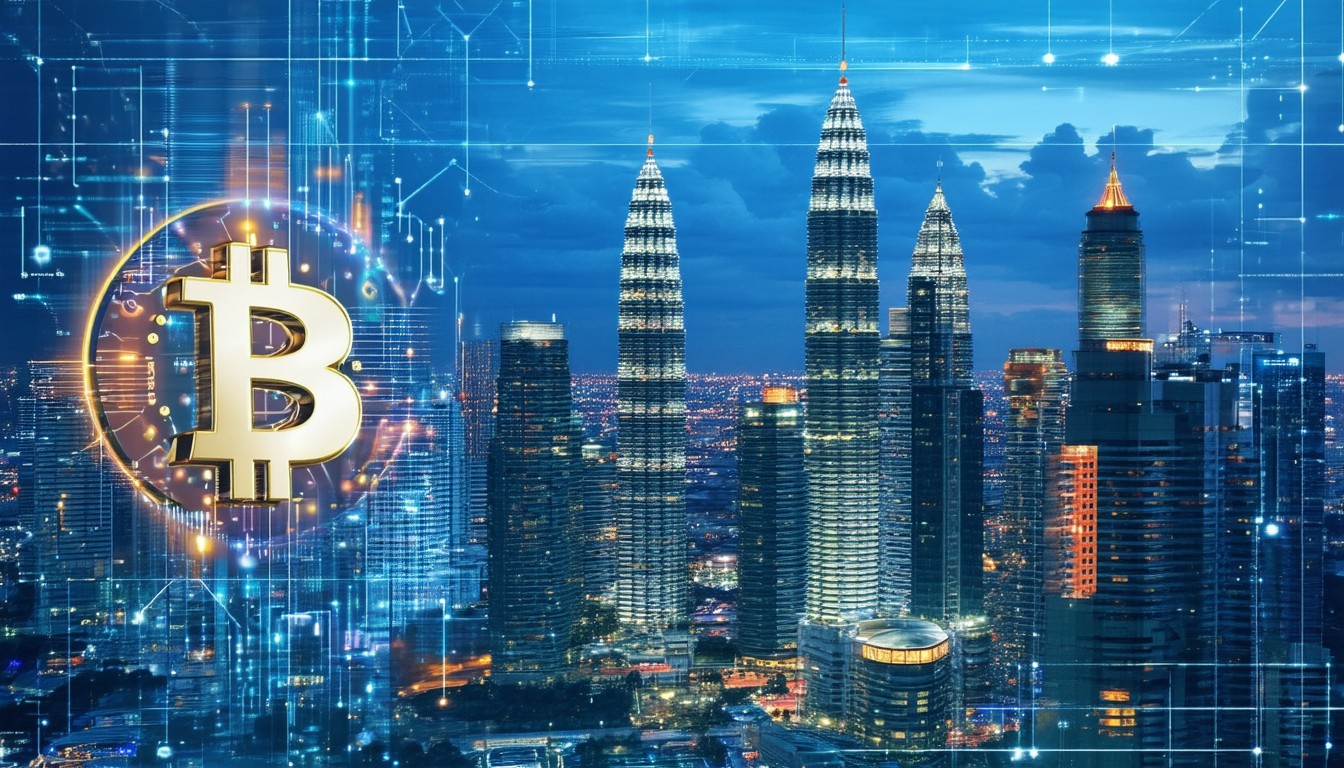
The surge of interest in cryptocurrency has not spared Malaysia. As the digital asset industry matures globally, Malaysia stands out in Southeast Asia for its structured approach to regulation and a growing base of crypto investors. This guide breaks down crucial aspects of the Malaysia crypto landscape—regulatory frameworks, major trading platforms, evolving market trends, and the practical realities faced by both retail users and institutional participants.
Regulatory Framework: How Malaysia Governs Crypto
Malaysia’s stance on cryptocurrency is shaped by a cautious yet proactive approach. Regulatory oversight is primarily under the Securities Commission Malaysia (SC), a body that clarifies digital assets are neither legal tender nor a direct replacement for Malaysia’s ringgit. Still, the market operates within established legal boundaries.
Major Regulations and Licensing
Since 2019, digital asset exchanges (DAX) in Malaysia have been subject to licensing and oversight by the SC. Only registered DAX platforms may legally facilitate buying, selling, or trading of cryptocurrencies. Regulatory requirements include:
- Robust anti-money laundering (AML) and know-your-customer (KYC) controls
- Stringent IT security measures
- Clear dispute resolution frameworks
- Regular reporting and compliance reviews
Among the first licensed platforms were Luno, Tokenize, and SINEGY, setting the tone for safe, regulated trading.
"Malaysia’s progressive regulatory stance ensures investor protection without stifling innovation," notes a fintech regulatory consultant in Kuala Lumpur. "By granting licenses to responsible platforms, the SC aims to balance growth and safeguarding consumers."
Taxation and Legal Status
While Malaysia does not classify crypto as legal tender, transactions involving recognized exchanges are legal. As of now, there is no explicit capital gains tax on cryptocurrency trades, though gains may be taxable if considered business income. Authorities continue to monitor the space for shifts in usage and tax obligations.
Trading Platforms: Safe Gateways to the Crypto Market
Accessing digital assets in Malaysia is straightforward for individuals and organizations. Registered exchanges offer a regulated environment for trading popular cryptocurrencies like Bitcoin, Ethereum, and selected altcoins.
Leading Platforms and Their Features
1. Luno
One of the largest DAXs by userbase, Luno features intuitive mobile and web platforms, local fiat on-ramps, and advanced security functions. Its educational resources cater to beginners and experienced traders alike.
2. Tokenize Xchange
Tokenize is known for a diversified token listing and regular promotional incentives. Its interface supports multi-currency wallets and offers transparent fee structures, appealing to those diversifying assets beyond flagship coins.
3. SINEGY
Pioneering in compliance and robust customer support, SINEGY targets both retail and institutional clients, focusing on transparency and operational reliability.
All approved DAXs undergo stringent screening. Unlicensed exchanges are periodically blacklisted, with users advised to stick strictly to recognized platforms to avoid fraud and regulatory risks.
Current Market Trends: Adoption, Investment, and Innovation
Malaysia’s crypto market continues to evolve, influenced by global trends but characterized by distinct local drivers. Adoption is on an upward trajectory, with growing institutional interest and increasing recognition from mainstream financial bodies.
Retail and Institutional Growth
While early adopters were mostly retail investors and tech enthusiasts, institutional players are now increasingly active. Fintech startups, online payment providers, and traditional banks are piloting blockchain-based services or exploring tokenized asset management.
A 2022 SC report indicated:
- Double-digit annual growth in registered crypto accounts
- Rising volumes on regulated DAXs, especially in Bitcoin and Ethereum trades
- Heightened participation from millennials and younger demographics
Real-World Examples
Malaysia’s Web3 startup scene, while nascent, is rapidly forming partnerships domestically and regionally. Notable examples include homegrown NFT marketplaces, blockchain-enabled supply chain solutions in palm oil, and fintech initiatives using stablecoins for cross-border remittances.
Risks and Challenges
Despite progress, challenges persist. Volatility in crypto pricing, frequent phishing schemes, and scams highlight the importance of thorough due diligence. Regulatory uncertainties around emerging products like DeFi or crypto derivatives may limit mainstream adoption until guidelines are clarified.
Industry Voices: The Outlook for Crypto in Malaysia
The convergence of clear regulation and strong digital infrastructure positions Malaysia as a regional crypto hub. Local experts acknowledge both the opportunities and the ongoing hurdles.
"Crypto is now part of the broader financial ecosystem in Malaysia," says a veteran blockchain advisor. "More stakeholders—from individual investors to SMEs—are exploring how blockchain can streamline costs and improve transparency, but consumer protection remains a priority."
Practical Considerations for Investors
Before diving into Malaysia’s crypto market, investors should keep a few vital points in mind:
- Always use SC-licensed exchanges for trades
- Implement strong personal security (2FA, unique passwords)
- Stay abreast of regulatory updates as the landscape continues to change
- Beware of “too good to be true” crypto offers and unregistered schemes
Education is key; newcomers should leverage official resources, exchange tutorials, and regulatory alerts to avoid pitfalls common in rapidly evolving digital markets.
Conclusion: Malaysia’s Promising but Cautious Crypto Path
Malaysia continues to chart a pragmatic course through the crypto revolution. With clear regulation, growing infrastructure, and vibrant user adoption, the country fosters both opportunity and caution. Responsible participation, compliance with local law, and ongoing education position Malaysian crypto participants for future growth—while minimizing risk amid this dynamic asset class. As the market matures and new innovations emerge, staying informed will be crucial for all players in the ecosystem.
FAQs
Is cryptocurrency legal in Malaysia?
Cryptocurrency itself is not considered legal tender in Malaysia but trading digital assets through licensed exchanges is allowed and regulated by the Securities Commission Malaysia.
Which trading platforms are authorized in Malaysia?
Only a handful of platforms—such as Luno, Tokenize, and SINEGY—are currently licensed to operate legally in Malaysia, ensuring consumer protection and regulatory compliance.
Are there taxes on crypto trading gains in Malaysia?
Capital gains from crypto may not be taxed unless the activity is deemed business income. However, tax status can change, so investors should consult updated guidelines or a tax advisor.
What types of crypto can I buy on Malaysian exchanges?
Approved platforms allow trading in major cryptocurrencies like Bitcoin and Ethereum, along with selected altcoins curated for regulatory compliance and security.
How do I protect myself against crypto scams in Malaysia?
Always use officially licensed platforms, enable two-factor authentication, and regularly check for updates or warnings from the Securities Commission Malaysia to stay safe.
What is the future outlook for Malaysia’s crypto industry?
With maturing regulations and rising digital adoption, Malaysia’s crypto market is poised for steady growth—but ongoing vigilance around scams and regulatory changes remains essential.









Leave a comment