


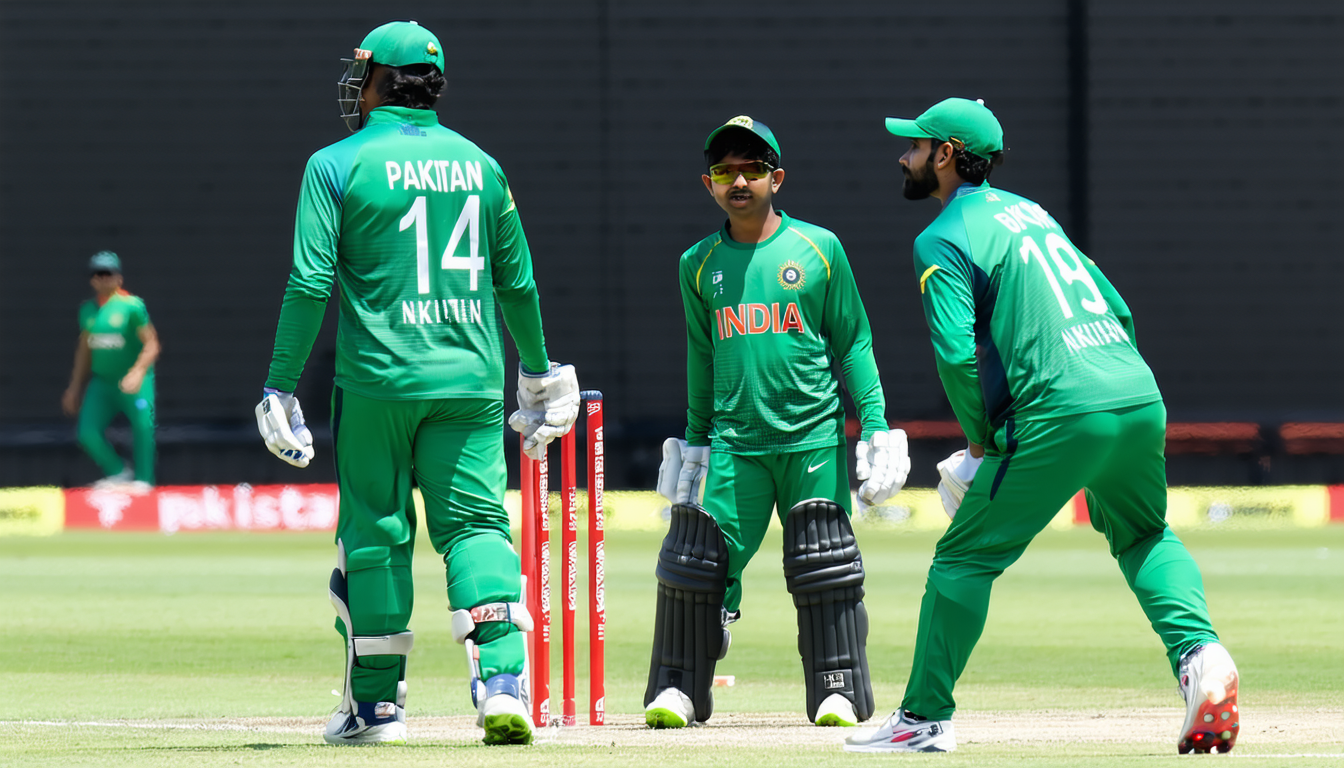
When giants clash—Pakistani fervor meets Indian resolve—it’s never just about cricket. This storied rivalry, heightened by recent controversies and political friction, writes a compelling narrative as the ICC Men's T20 World Cup 2026 edges closer.
The Political Undercurrents and Tournament Uncertainty
Over the past few weeks, diplomatic turbulence has cast a shadow on cricketing relations. Bangladesh’s withdrawal from the tournament due to security concerns in India sparked a chain reaction. Pakistan halted its World Cup preparations in solidarity with their neighbor, casting doubt over their own participation in the India-Sri Lanka-hosted event (timesofindia.indiatimes.com). Adding to the tension, PCB Chairman Mohsin Naqvi emphasised that cricket should be played on "equal terms" and symbolic gestures like handshakes are contingent on mutual willingness (timesofindia.indiatimes.com).
On the other side, Harbhajan Singh criticised Pakistan’s stance, accusing them of "fishing in muddy waters" and deepening political strategy under the guise of sport (timesofindia.indiatimes.com). These dynamics are now as central as the players on the field.
Pakistan’s Squad Reinforcements and Strategy
Despite off-field distractions, Pakistan has announced its 15-man squad for the tournament, with veterans Babar Azam and Shaheen Afridi making comebacks (timesofindia.indiatimes.com). This mix of leadership and youthful fire suggests a strategic balancing act—using experience to navigate tension and performance pressure.
Meanwhile, Bangladesh continues to pressure the ICC for venue changes, echoing Pakistan’s earlier demands, and escalating regional anxieties (thesun.co.uk). The reliability of hosting arrangements remains tenuous.
Historical Context: Rivalry, Records, and Recent Clashes
Head-to-Head Stats and ICC Showdowns
This rivalry isn't new. India and Pakistan have contested 211 official matches—with Pakistan ahead overall (88 wins to India’s 80) (en.wikipedia.org). However, India dominates the latest T20I format, holding a 13–3 advantage (en.wikipedia.org). This dominance extended into the 2025 Asia Cup, where India defeated Pakistan in all three encounters, including a tense final win in Dubai by five wickets (en.wikipedia.org).
In the 2025 Champions Trophy, India again edged out Pakistan. Virat Kohli’s unbeaten century powered a comfortable six-wicket victory in Dubai (livemint.com). Political tensions blurred the boundary between sport and state, overshadowing the play.
Moments of Controversy and Symbolism
The Asia Cup final in Dubai proved as dramatic off the field as on it. After India’s narrow win, players refused to accept the trophy or shake hands with PCB chairman Mohsin Naqvi—creating an unusual, trophyless moment (apnews.com). The handshake row added further strain: match officials allegedly requested captains to skip pre-toss greetings, igniting protests from Pakistan and discussions around the spirit of the game (aljazeera.com). The ICC’s code of conduct later penalized players for conduct breaches, underlining the seriousness of tensions (en.wikipedia.org).
Neutral Venues and Hybrid Hosting Models
Since the 2025 Champions Trophy, matches between India and Pakistan at ICC events have been held at neutral venues like Dubai—a model designed to circumvent political obstacles (en.wikipedia.org). India continues this policy, with players expecting neutral grounds for future clashes (indiatoday.in).
What Lies Ahead: A Fractured but Unmissable Rivalry
Performance vs. Politics: Preparing for the World Cup Jitters
Historically, contested matches spurred exceptional performances—Kohli’s century, Varma’s iconic chase. Now, however, each ball carries symbolic weight beyond runs and wickets. With veterans back in Pakistan’s fold, and India perhaps relying on its psychological upper hand, the upcoming matches promise both cricketing brilliance and geopolitical theater.
Strategic Imperatives for Both Sides
From Pakistan’s perspective, restoring strategic clarity and calm leadership will be key to overcoming distractions. On the flip side, India might leverage its recent dominance and on-field composure—while navigating diplomatic headaches off it.
Public sentiment, broadcast interest, and ICC stakes all hang in the balance. This is more than a match—it’s a tableau of power, pride, and confrontation.
Conclusion
The India-Pakistan cricket rivalry stirs emotions and commands global attention like few sports contests can. As the T20 World Cup 2026 looms, political crossroads and on-field abilities collide. Pakistan’s squad revival and India’s tactical steadiness suggest that when they meet next, it won’t just be about sport—it will be about making statements.
The fate of their rivalry in this tournament may well hinge on whether diplomacy can catch up with cricket. Watch closely: every over, every gesture, every decision will reverberate far beyond the pitch.
FAQ
(The user opted not to include this section.)









Leave a comment