


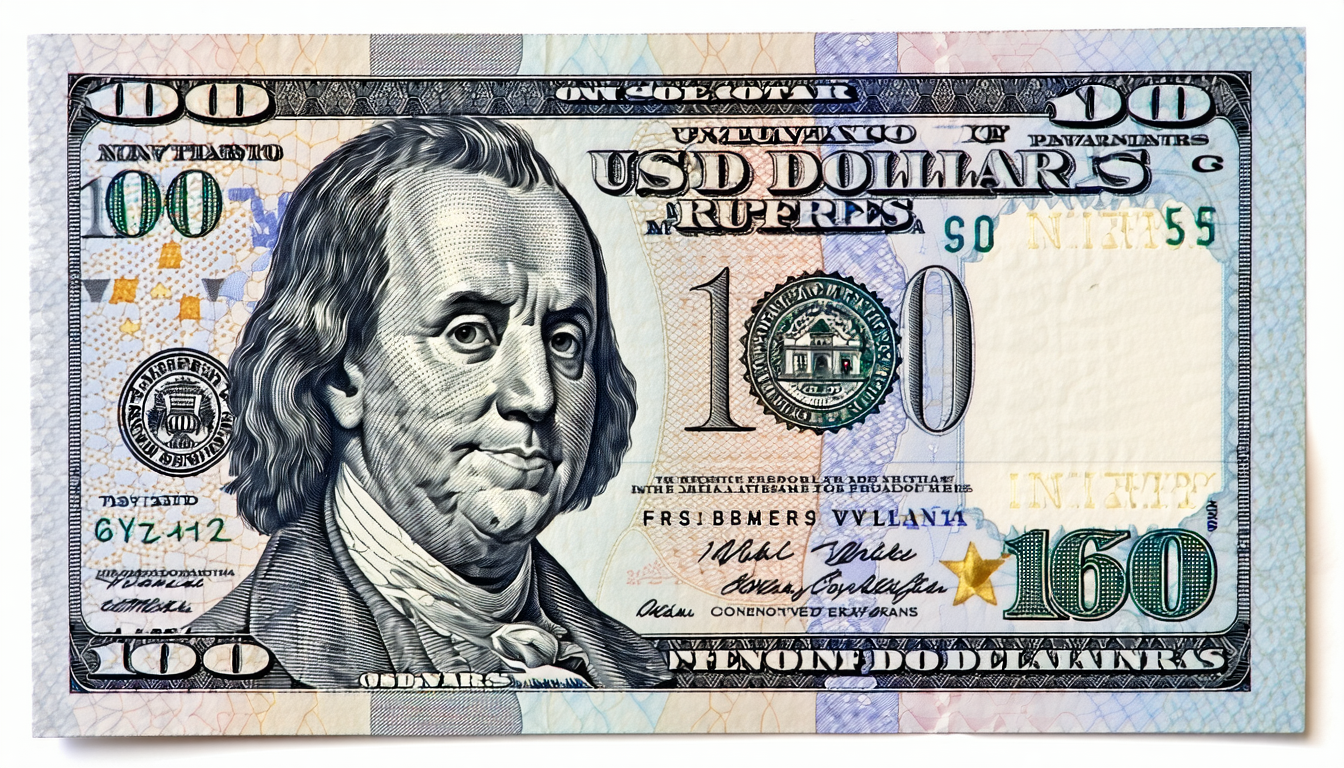
A straightforward yet frequently asked question: What’s the value of 160 US dollars (USD) in Indian rupees (INR)? Beyond a simple conversion, this exploration will walk through real-world context, exchange trends, and what such a figure might mean in a broader sense.
Real-Time Conversion Snapshot
As of late January 2026, the USD to INR exchange rate hovers around ₹91.6 to ₹91.7 per US dollar:
- Forbes reports 1 USD = ₹91.63 as of January 26, 2026 (forbes.com).
- CurrencyRate.today shows a mid-market rate of ₹91.65 per USD around the same time (usd.currencyrate.today).
- Investing.com lists the live rate at ₹91.675, noting a 52-week high near ₹91.99 (investing.com).
Using these, converting 160 USD in rupees:
- At ₹91.63 → 160 × 91.63 ≈ ₹14,660.
- At ₹91.65 → 160 × 91.65 ≈ ₹14,664.
- At ₹91.675 → 160 × 91.675 ≈ ₹14,668.
So, rounding reasonably: 160 USD ≈ ₹14,660 to ₹14,670 today.
Background: Why Exchange Rates Matter
Market Forces at Play
The rupee has recently oscillated near historic lows. In mid‑December 2025, it plunged to ₹90.32 per USD, a record, amid uncertainty around US–India trade deals and capital outflows (timesofindia.indiatimes.com). By late January 2026, it somewhat recovered—trading around ₹91.5 in early sessions (timesofindia.indiatimes.com).
This volatility isn't just numbers on a screen—it impacts everything from import costs and travel budgets to investment decisions.
Central Bank’s Role
To stabilize, the Reserve Bank of India (RBI) deployed a USD‑INR swap intervention, drawing bids worth over $10 billion and accepting just over $5 billion in trades (m.economictimes.com). Such measures illustrate how policymakers try to cushion sharp daily swings.
Contextualizing ₹14,660–₹14,670 in Daily Life
That proportion equips you for real-world scenarios:
- A mid-tier smartphone or a plane ticket on discount.
- A few nights at a comfortable urban hotel or multiple meals out.
- A sizable packet of imported goods, electronics, or specialized services.
Beyond spending, fluctuations matter for businesses too: even a rupee move in the USD/INR rate can tweak profit margins substantially.
Expert Insight
"Exchange rates like USD‑INR act as invisible price tags on international spending and investing. While ₹14.6k for $160 may seem steady now, slight moves ripple across sectors—from student fees to export earnings."
This highlights the tangible effect of even small currency shifts on individuals and institutions alike.
What Drives Fluctuations — A Quick Breakdown
1. Economic Data & Market Sentiment
Global confidence, interest rates, and macroeconomic trends influence demand for USD vs INR.
2. Trade & Diplomatic Developments
For instance, delays in major trade agreements can tilt markets against the rupee (timesofindia.indiatimes.com).
3. Reserve Bank Interventions
RBI injects or withdraws liquidity through swaps or forex operations to keep extreme moves in check (m.economictimes.com).
4. Historical Reference Points
Over the past year, USD/INR ranged between roughly ₹83.8 and ₹91.99—our current level near the top of that band (investing.com).
Summary Table: Key Takeaways
| Parameter | Value / Observations |
|-------------------------------|------------------------------------------|
| Current USD → INR Rate | ₹91.6–91.7 per USD |
| Converted Value for $160 | Around ₹14,660–₹14,670 |
| Recent High Volatility Point | ₹90.32 per USD in December 2025 |
| RBI Action | Swap bids worth $5B+ to stabilize rupee |
Concluding Thoughts
Converting 160 USD today lands you around ₹14.66k. But beyond the number, this snapshot reflects broader economic currents, central bank efforts, and shifting sentiments. Currency rates are not static—they inform real decisions, from budgeting to policy.
Next time you check a conversion, consider:
- Checking multiple trusted sources for rate accuracy.
- Watching central bank announcements or trade developments.
- Understanding where the rupee stands in its historical range.










Leave a comment