


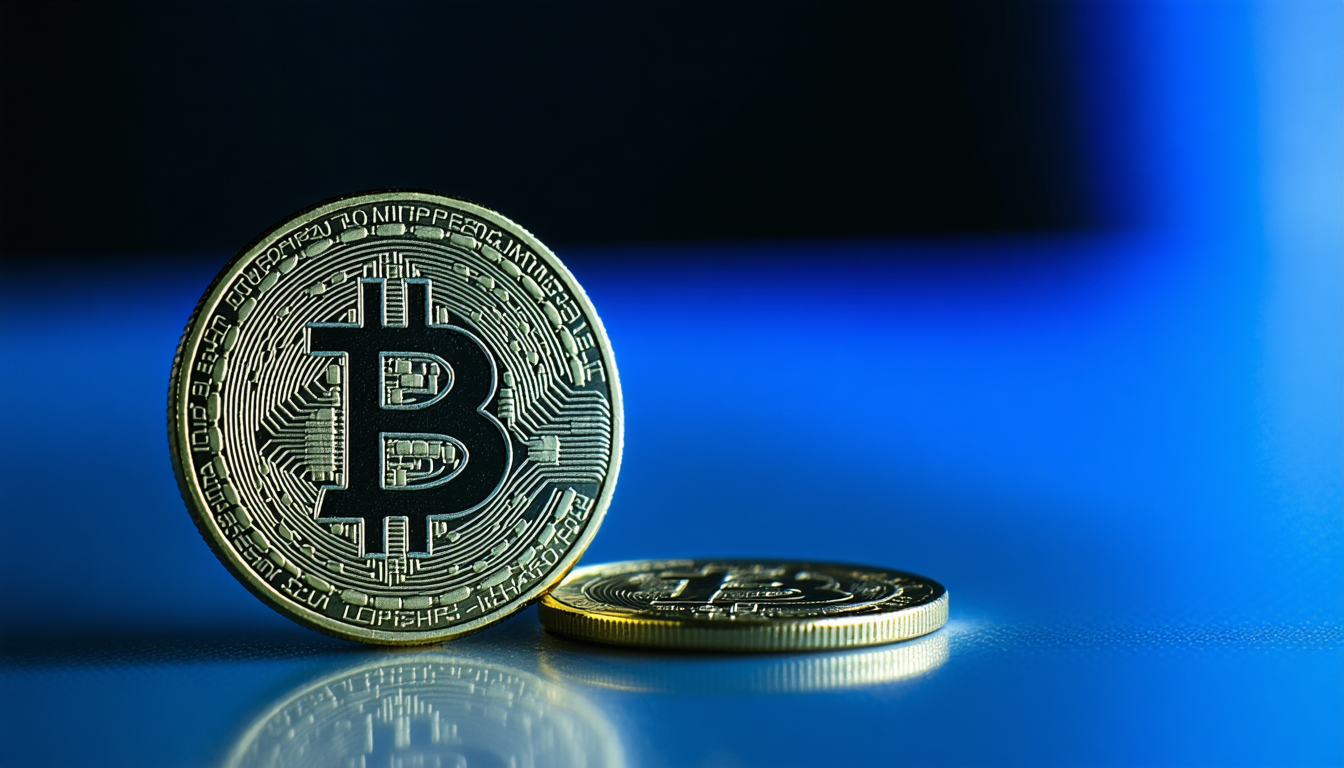
A snapshot of today’s valuation shows that 1 Pi Coin (PI) is trading at approximately ₨50.68 in Pakistan. This marks a notable decline of around 4.55% over the past 24 hours and a roughly 10% drop compared to seven days ago (coingecko.com). Moving forward, let's explore what this might mean for investors and the broader market dynamics.
Contextualizing Pi Coin’s Market Journey in Pakistan
Pakistan's relationship with Pi Coin reflects wider global enthusiasm mixed with local economic pressures. The currency’s appeal stems from mounting inflation and volatility in the rupee, which has driven many to explore digital alternatives as potential value stores.
In one striking example, a prominent university in Islamabad allowed students to offset 25% of their tuition using 10,000 Pi, using a favorable exchange rate. This sparked a sharp 300% surge in local demand, demonstrating Pi's potential appeal as a practical, albeit unconventional, payment option (askagintza.com).
Further, Pakistan’s over-the-counter (OTC) trading via Facebook groups—with half a million members—reveals a grassroots, peer-to-peer infrastructure. A reported transaction in Sindh saw 1,000 PI sold at ₨5.2 each, netting profits significantly more than typical minimum wage levels (askagintza.com).
These local developments underscore how user behavior, social trust, and institutional gaps shape Pi’s path in Pakistan.
Market Drivers and Regulatory Backdrop
Rising Adoption vs. Regulatory Hurdles
Pakistan’s regulatory environment is complex. While the newly formed Pakistan Crypto Council (established March 14, 2025) is aimed at crafting a framework for digital assets, traditional bodies like the State Bank continue to regard cryptocurrencies as outside recognized legal tender (en.wikipedia.org). This creates a push-pull scenario between institutional engagement and cautious skepticism.
Motivating broader Pi adoption is the network’s recent rollout of a “Buy” feature in Pakistan. Users can now purchase Pi directly via fiat—credit/debit cards or digital payment platforms—through integrations with Banxa and Onramper, simplifying access and potentially accelerating mainstream use (hokanews.com).
Price Trends and Volatility
While local factors stir momentum, Pi’s price remains subject to volatility. In recent global trends, Pi rebounded by 80% following a 60% drop post-mainnet launch, only to face fresh downward pressure (tribune.com.pk). Technical indicators such as EMA, RSI, and MACD have flagged both buying interest and overbought conditions in other markets—suggesting oscillating investor sentiment (tribune.com.pk).
Supply Dynamics and Value Implications
The relationship between Pi’s circulating supply and its perceived value is critical. As of March 2025, Pi’s circulating supply stood near 7 billion coins, though the total cap lies at a staggering 100 billion (reddit.com). Much of the coin remains locked or undeployed, which conserves scarcity in the near term. Analysts estimate that even if supply expands, reaching extremes like 50 billion in circulation is unlikely in the immediate future (reddit.com).
This limited float, paired with growing utility—such as tuition payments and direct fiat access—provides a narrative for sustainable growth. However, echoes of the BitConnect model persist, where inflated futures led to dramatic crashes. Experts caution that Pi’s futures-based valuation far exceeds its fair-value estimates, raising warning flags (askagintza.com).
Price Forecast Scenarios & Risks
Bullish Potential
- Expanded use cases—like school fee payments or merchant acceptance—could boost local demand.
- Improved infrastructure with the “Buy” feature may drive adoption among users previously excluded by OTC systems.
Bearish Triggers
- Regulatory surprises: tightened policy or outright bans remain a threat.
- Market psychology: steep price corrections or sell-offs from early holders could erode confidence.
- Supply shocks: if a large volume of Pi enters the market, even scarcity won’t cushion the drop.
"The implied market value of current futures price has reached levels far beyond fair valuation, warning of bubble-like conditions."
– Financial behavior researchers on Pi’s price inflation (askagintza.com)
Summary & Strategic View
Pi Coin in Pakistan currently navigates a complex mix of grassroots interest, fiat-feature rollout, and macroeconomic pressures. At ₨50.68 per Pi, it bears the imprint of both speculative excitement and economic necessity.
Key takeaways:
- Local adoption is growing—universities and peer networks are turning Pi into a transactional medium.
- Regulatory inertia and institutional developments both simultaneously enable and constrain Pi’s expansion.
- Price volatility remains high, tied to supply dynamics and market sentiment.
For those watching closely, Pi’s trajectory offers a microcosm of the broader crypto adoption challenge: bridging innovative utility with responsible growth. Strategic recommendations would include monitoring policy, fostering transparency around tokenomics, and supporting user education to build trust.
Frequently Asked Questions (FAQ)
What is the current price of Pi Coin in Pakistan?
As of today, 1 Pi Coin is trading around ₨50.68, reflecting a short-term downtrend.
What factors are driving Pi Coin’s popularity locally?
A combination of rupee instability, university acceptance of Pi for payments, and OTC/fb trading communities have created a unique adoption environment.
How is the regulatory landscape shaping Pi's future?
While the Pakistan Crypto Council supports digital assets, mainstream financial regulators maintain cautious restrictions. The rollout of Pi’s “Buy” feature marks progress in a nuanced regulatory context.
Is Pi’s limited supply a meaningful value prop?
Yes—only a fraction of total Pi is circulating, which preserves scarcity. That said, how and when the rest enters markets will be critical to pricing.
What are the main risks moving forward?
As with many crypto assets, Pi faces regulatory uncertainty, speculative excess, and liquidity shocks—balanced against potential for deeper integration in education, payments, and local commerce.







Leave a comment