


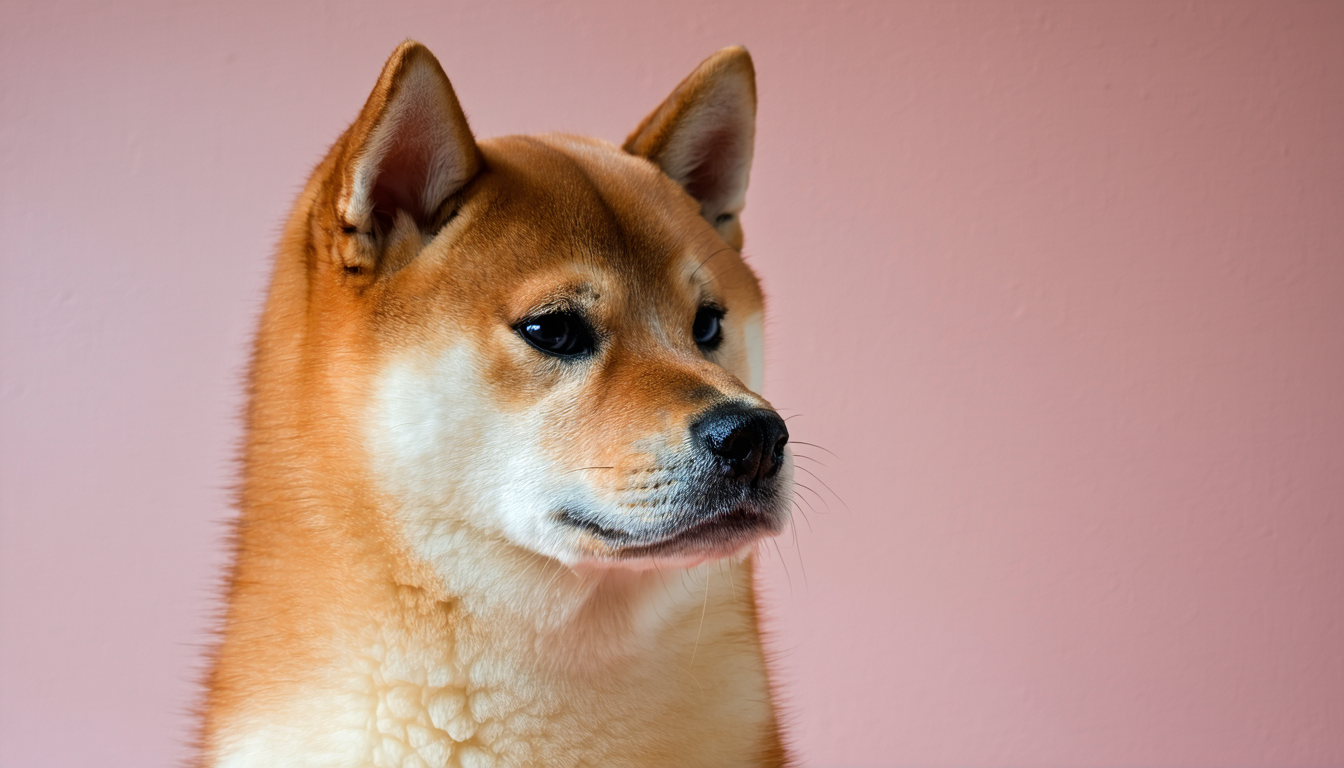
The Shiba Inu dog—small, spirited, and intriguingly independent—is a breed that captivates dog lovers worldwide. This guide explores the Shiba Inu’s traits, care needs, and temperament with both authority and human warmth. You’ll find real world examples, expert insights, and a storytelling tone that’s just a little imperfect—in a good way. Let’s dive into what makes the Shiba Inu unique, and how best to care for these fox-like companions.
Understanding Shiba Inu Appearance and Origins
Shiba Inus originate from Japan, bred centuries ago for hunting small game in dense brush—hence the name, which translates to “brushwood dog” (en.wikipedia.org). Compact yet muscular, they typically stand 13.5 to 16.5 inches tall and weigh between 17 and 23 pounds (purina.com). They have a distinctive fox-like look: upright ears, curled tail, and a graceful double coat in colors like red, sesame, black and tan, or cream, often marked with lighter “urajiro” patches (en.wikipedia.org).
Their physical traits are stunning, yet functional—thick coats for insulation, agile build for traversing rugged terrain. This beauty-meets-purpose combination underpins their historical success and modern appeal.
Temperament: Independent, Alert, and “Cat-Like”
Labeling a Shiba Inu as simply a “dog” doesn’t quite do justice to their nuanced personality. They carry a reputation for independence, intelligence, and sometimes stubborn behavior, often compared to cats (dailypaws.com). They’re alert watchdogs yet affectionate with their families—a loyal companion with a twist of aloofness (gooddog.com).
What’s more, Shibas are known for their unique vocalization: the “Shiba scream”—a piercing, emotional sound emitted when frustrated or excited (petmd.com). One might say this trait is imperfectly human—but in a way only Shibas can deliver.
Energy and Exercise Needs: Moderate to High, with a Twist
Don’t let their size fool you—Shibas are active and intelligent, needing at least an hour of exercise daily (thesprucepets.com). They benefit from mixed routines like walks, hikes, fetch, and scent work that combine physical exertion with mental engagement (petmd.com).
Importantly, without proper outlets for their energy and intellect, Shibas may develop anxious or destructive behaviors (petmd.com). Owners often joke that the Shiba’s personality toggles between “I want out” and “I can’t be bothered”—and both moods require thoughtful stimulation.
Grooming and Shedding: Embrace the Fur
Owning a Shiba Inu means embracing shedding—year-round, with twice-yearly “blowouts” that cover every surface (petmd.com). Weekly brushing helps, and during heavy shedding seasons, methods like high-velocity drying or even vacuuming are lifesavers (petplan.co.uk).
Bathing is typically minimal: many owners bathe them just a few times a year or as needed. Reddit whispers confirm it’s manageable yet hairy business (reddit.com). And Shibas, self-groomers by nature, rarely need more than occasional help with ears, nails, and dental care (purina.com).
Health Snapshot: Generally Robust, with Specific Watch Points
Overall, Shiba Inus are a healthy breed with a lifespan of approximately 13 to 16 years (petmd.com). Still, they can be prone to certain conditions:
- Patellar luxation: kneecap instability affecting many small breeds, including Shibas (petmd.com).
- Hip dysplasia: joint issues sometimes seen, though less frequent (gooddog.com).
- Eye issues: including glaucoma and cataracts, occasionally overrepresented in the breed (en.wikipedia.org).
- Allergies and skin sensitivities: warrant regular grooming and veterinary guidance (petmd.com).
Training and Socialization: Patience with a Reward
Shibas are highly intelligent but fiercely independent. Early training with patience, consistency, and positive reinforcement is vital (petmd.com). Socialization from puppyhood ensures a well-rounded adult—turning aloof defensiveness into polite tolerance (dogtime.com).
An owner once noted: "With a mind of their own, they’re more likely to go along with the show if they think it was their idea in the first place" (chewy.com). In other words, a bit of tactical trickery helps win Shiba hearts.
Real-World Insight: A "Chonk" Hero’s Comeback
Consider Chloe Fineman’s Shiba Inu, Peach. Overweight and sluggish, Peach was transformed by a vet-approved diet into a sleek, energetic pup—dropping a few pounds brought back his spark (people.com). It’s a reminder that Shibas benefit from tailored care and that happiness (and health) often start from mindful choices.
Conclusion: Embracing the Shiba Inu Journey
The Shiba Inu is a breed of contradictions and charm—athletic yet sometimes lazy, affectionate yet independent, elegant yet messy with fur. To care for a Shiba is to accept delightful unpredictability and reward it with structure, love, and respect.
If you’re drawn to a dog with personality, intelligence, and a side of sass, the Shiba Inu might just be your match. But remember: patience, routine, and real-world flexibility are your best allies.
FAQ
What size are Shiba Inu dogs?
Shiba Inus are small to medium, standing around 13.5–16.5 inches tall and weighing 17–23 pounds (purina.com).
How much exercise do they need?
About an hour per day, including walks, play, or mentally stimulating activities like scent games or puzzles (thesprucepets.com).
Do they shed a lot?
Yes—especially during biannual “blowouts”—but regular grooming helps manage the fur (petmd.com).
Are they good with kids or other pets?
They can bond well with families but may be reserved toward strangers or other pets; early socialization is key (dailypaws.com).
What health issues should owners be aware of?
Patellar luxation, certain eye disorders, hip dysplasia, and allergies are the primary concerns (gooddog.com).
This guide should offer both clarity and warmth—informative yet human enough to feel like advice from a trusted friend.











Leave a comment