


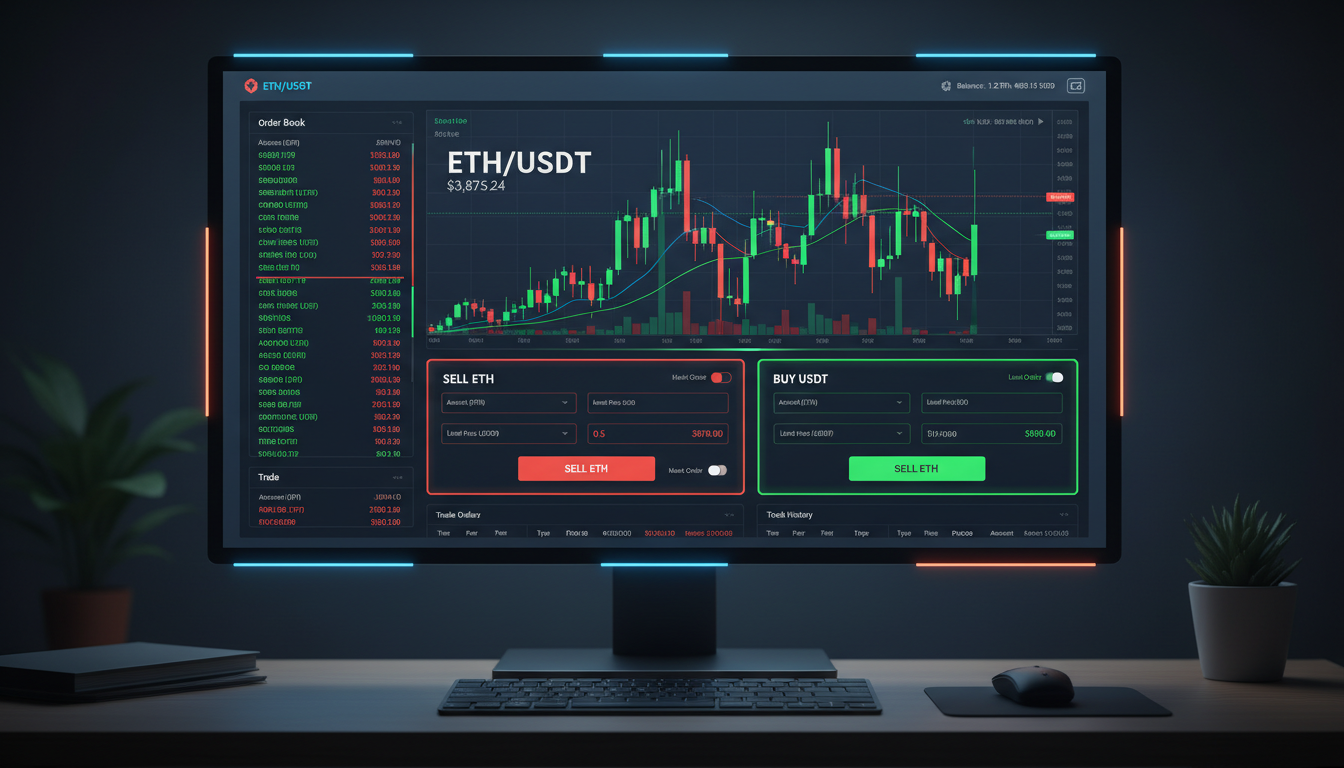
Cryptocurrency trading often feels like stepping into... well, a slightly chaotic, thrilling bazaar. Prices shift, charts dance, and one moment feels both urgent and unpredictable. That’s especially true when moving between Ethereum (ETH) and Tether (USDT). Many traders swing between the two for everything from quick liquidity grabs to hedging strategies—and frankly, it’s a delicate dance that rewards knowledge and caution in equal measure.
This piece unpacks how to approach ETH to USDT trades with both solid fundamentals and a touch of human nuance. Trade smart, but also embrace that imperfections and intuitive leaps are part of the trader’s life—when done with care.
Understanding ETH and USDT: Why the Pair Matters
Ethereum, with its programmable smart contracts and thriving ecosystem, often serves as both speculative asset and functional token. USDT (Tether), pegged to the U.S. dollar, offers a way to park value without cashing out to fiat—handy in volatile markets.
- Ethereum often leads broader crypto moves, while USDT serves as its somewhat stable counterpart.
- Traders pivot between them to rebalance exposure or preserve value during downturns.
- Smart moves here are about timing, fees, and execution nuances.
Beyond just converting funds, this pair opens the door to wider DeFi doors or shields funds temporarily—depending on how you play it.
Technical Roadmap: How to Make the Exchange
Exchange Selection & Reliability Checks
Choosing the right platform is more than picking the one with the sleekest UI. Consider:
- Liquidity (to avoid slippage)
- Fee structure (trading vs. withdrawal fees)
- Platform robustness (uptime, support, regulatory clarity)
Unforeseen outages, sudden token lockups, or disputed withdrawals can derail even the best-timed trades.
Step-by-Step Execution: A Mini Scenario
Imagine reacting to a sudden Ethereum price surge. The plan: move ETH into USDT quickly to lock in profits.
- Step 1: Confirm exchange volume—large enough to absorb your order.
- Step 2: Check current ETH/USDT price and slippage settings.
- Step 3: Execute limit or market order depending on urgency.
- Step 4: Monitor confirmations and ensure USDT credited.
Even here, the human factor kicks in—you’re balancing speed against potential overpaying on slippage.
Smart Trading Moves: Tips Beyond the Basics
Dynamic Order Types: More Than Just Market Orders
Market orders get things done fast, but:
- Limit orders give price control, though they might not fill instantly.
- Stop-limit orders let you predefine exit points, which is handy in volatile trades.
- Partial fills? Sometimes better to spread across several fills than rattling the market.
Fee Awareness and Layered Costs
Trading cost isn’t just the exchange commission. Also account for:
- Gas fees on Ethereum network.
- Withdrawals or on-chain transfers back to your wallet.
- Spread—sometimes the implicit cost surpasses visible fees.
Even small percentages add up, especially on larger trades or frequent moves.
Timing: Market Windows and News Cycles
Markets don’t sleep—and neither do catalyst events:
- Major ETH upgrades, network congestion, or macro shifts can skew prices quickly.
- Aligning trades with expected lulls in volume—or avoiding sharp news moments—can tame slippage.
- Conversely, sometimes you want that volatility if chasing gains.
The trick is having a plan, but staying alert enough to adapt when the market’s mood shifts.
Real-World Example: Seasoned Trader Jane
Jane follows Ethereum updates closely, especially ahead of major DeFi launches. When she anticipates a token airdrop requiring deposit in USDT, she watches ETH/USDT closely ahead of the window.
“Trading smart isn’t about flipping coins blind—it’s about anticipating pathways and having options,” she says.
By syncing her moves with market rhythms and knowledge of upcoming events, she often saves noticeably on slippage and unhelpful draws, even if her timing isn’t perfect.
Risks, Pitfalls, and Human Nuance
Trading ETH to USDT feels like juggling—not just assets, but habits and emotions too.
- Fear of missing out (FOMO) can push trades at unfavorable rates.
- Over-trading drains costs fast—even if each move seems small.
- Platform missteps—like accidentally sending ETH to a USDT-only address—happen. Double-check addresses, tokens, and post-trade positions.
Sometimes, stepping back for a moment of clarity avoids mistakes that no chart would catch for you.
Conclusion
Converting ETH to USDT is more than clicking buttons. It’s a calculated move—navigating liquidity, fees, timing, and volatility, with a bit of gut when markets surprise you. Smart traders build a toolkit: understanding tools like order types, watching for network events, and managing execution—not chasing perfection, but aiming for measured, adaptable actions that minimize risk.
In essence, execute with discipline, but remain flexible enough to adapt when the unexpected kicks in.
FAQs
What’s the difference between ETH and USDT?
ETH is Ethereum’s native token, used for transactions, smart contracts, and speculation. USDT is a dollar-pegged stablecoin used to preserve value without moving into fiat.
Should I always use a market order when converting ETH to USDT?
Not necessarily. Market orders fill quickly but can suffer slippage. Limit or stop-limit orders offer more price control and may suit strategic exit points.
How do Ethereum network fees affect my trade?
Gas fees on Ethereum fluctuate based on network congestion. These fees add to trading costs, so monitoring network activity before executing can save you money.
Can upcoming events like network upgrades affect ETH/USDT rates?
Absolutely. Major upgrades, DeFi launches, or macro news can spike ETH volatility. Planning trades around these cycles can reduce slippage and improve outcomes.
What are common user mistakes during the exchange?
Frequent issues include using too-low slippage tolerance, overlooking fees beyond the exchange, and mistaking token addresses. Double-check all inputs and stay mindful during execution.
Approximate word count: around 800 words.










Leave a comment