


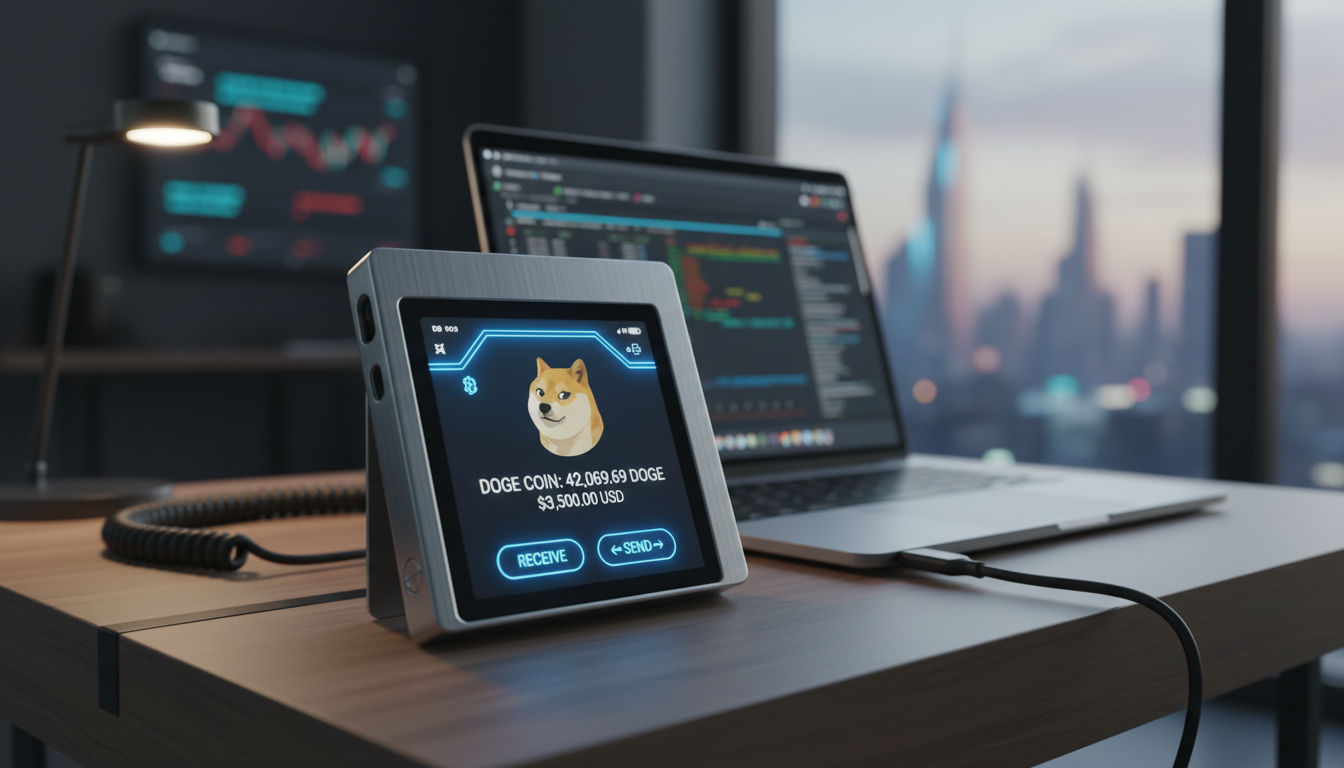
So you’ve heard about Dogecoin—maybe it started as a meme, but now folks talk about it like it’s the next big thing. Getting into cryptocurrency can feel like walking into a carnival: bright lights, lots of stalls, fun but maybe a little dizzying. That’s where this guide is supposed to take the lead, kind of like holding your hand (virtually) while you figure out the ropes. It’ll sprinkle real-world examples, expert insight, and just a touch of conversational “oops, did I jumble that up?”—because hey, even guides aren’t perfect, and that’s okay.
Understanding Dogecoin Before You Buy
What’s Dogecoin Anyway?
Dogecoin is a cryptocurrency that broke out of internet culture—originally inspired by the Shiba Inu meme—that’s now traded like any digital currency. It’s built on a decentralized ledger (like many cryptos) and is known for its friendly community vibe. Unlike Bitcoin with a limited supply, Dogecoin keeps the party going with a steady flow of new coins, which can affect long-term value.
On the one hand, that makes Dogecoin less of a collector’s item and more like a widely circulated token meant for everyday tipping or small purchases. On the other hand, unlimited supply introduces inflation pressure—so it’s not exactly your backup for long-term scarcity protection. In practical terms: you might think of it as digital pocket change rather than a gold vault.
Why People Gravitate Toward Dogecoin
If you scroll through Twitter or Reddit, you’ll find floods of enthusiasm for Dogecoin—people tipping musicians, sending it to dodge crowdsourcing campaigns, or just having fun with digital currency. Its low per-unit cost gives a psychological boost (“I can own hundreds!”), even if that means dividing dollars into tiny fractions. Real-world example: around 2025–2026, a surge in community-driven promotions encouraged brands to accept Dogecoin for small purchases, such as coffee or merch, which felt empowering for regular users.
Beyond the jolliness, there’s a lesson here: adoption matters. Even if the price doesn’t skyrocket, people who use the coin every day are building the case for its utility. But keep in mind: utility doesn’t guarantee stability or investment value.
“Cryptocurrency, at its best, answers questions about access and community—Dogecoin leans into both. It’s less about the scarcity, more about participation.” — A crypto researcher reflecting on Dogecoin’s appeal
That mix of pop culture, accessibility, and grassroots momentum is what keeps Dogecoin in conversations, even years after its start.
Setting Up to Buy Dogecoin Safely
Step 1: Choose a Reputable Exchange
Before buying Dogecoin, selecting a reliable platform is key. Think of it as picking a trusted store, not the sketchy stall downtown.
- Look for well-known exchanges (like Coinbase, Binance, Kraken, or others accepted in your region).
- Check that the exchange supports Dogecoin and has a solid track record.
- Confirm fee structures—some platforms hide conversion or withdrawal costs in the fine print.
A new investor might log into, say, Binance and find Dogecoin easily, whereas a smaller exchange might offer it too—but the first one probably has better security protocols and insurance funds. Mistakes here can cost you real money or make access a headache.
Step 2: Secure Your Wallet First
Your crypto wallet is your digital vault. You’ll need one that supports Dogecoin. Broadly, it’s one of:
- Exchange-based wallets (convenient but with custodial risk)
- Software wallets (desktop or mobile apps you control)
- Hardware wallets (USB-like devices offering top-tier security)
Keeping Dogecoin on the exchange is fine for small amounts or quick trading, but if you want peace of mind, consider transferring to your own wallet. Hardware wallets are often recommended for serious users—yes, they cost money, but they’re a fortress in your pocket.
Step 3: Deposit Funds Safely
With a wallet ready, next up is funding your account.
- Use your bank card or bank transfer, depending on what the exchange supports.
- Be aware that transaction times can vary—bank transfers might take a few days, whereas cards are often instant but more expensive.
- Only deposit funds you can afford to lose. Crypto markets are wild. Adults always say that, because, well, volatility is real.
Once your funds arrive, you’re practically ready for lift-off.
Buying Dogecoin: Real Actions, Real Caution
Step 4: Execute Your First Purchase
On the exchange platform:
- Navigate to DOGE markets (like DOGE/USD or DOGE/BTC).
- Choose “Buy” and enter how much you want—or how much in dollars you’ve allocated.
- Confirm the conversion and fees. Rates shift minute to minute; double-check before confirming.
- Don’t sweat a tiny typo—well, do catch it; a misplaced decimal could be embarrassing.
It's not glamorous, but the transaction completes in seconds or minutes depending on network activity. You now own Dogecoin—congrats! But deep breaths: the journey’s just begun.
Step 5: Securely Store Your Dogecoin
If you left your Dogecoin on the exchange: that’s okay short-term. But long-term, for safety, move it to your own wallet.
- Instantly copy your wallet address carefully.
- Initiate withdrawal from exchange, paste the address accurately.
- Confirm the transaction and wait for the blockchain to process it.
If errors happen—mis-paste, send to wrong chain—it could be lost forever. It’s a tense moment, but one that teaches responsibility.
Step 6: Track and Learn About Volatility
Dogecoin, like many altcoins, is price-sensitive. To stay savvy:
- Follow market sentiment (online communities, trending news).
- Check historical patterns—rallies often follow public praise, social media hype, or brand partnerships.
- Use simple tools (like price alerts) to keep tabs without obsessing.
Remember that volatility isn’t just risk—it reflects potential opportunity and disruption. Don’t treat crypto like lottery tickets, and diversify your views: maybe keep some in more established cryptos too.
Broadening Understanding: Beyond the First Buy
Why Dogecoin Still Has Appeal
Dogecoin’s resilience lies in its people-first persona. Established cryptos appeal to institutional investors; Dogecoin plays to fans, casual users, and meme lovers. It stays fun without requiring deep financial literacy—and sometimes surprises even seasoned observers.
Often, projects or brands experiment by accepting Dogecoin. Those real-world use cases, even if small, reinforce the idea that crypto doesn’t have to be purely speculative—it can be social currency.
Risks to Keep in View
- Unlimited supply → inflation pressure over time.
- Lack of centralized foundation or development team compared to other projects.
- Communities shift fast. What’s hot today can fade tomorrow.
So treat it as a long experiment more than a sure investment. Approach with curious, cautious optimism.
Conclusion: You Just Bought Dogecoin—Now What?
The first-time purchase of Dogecoin follows a fairly structured process: pick a secure exchange, fund your account, buy the coin, and store it safely. Along the way, it’s essential to balance excitement with awareness—knowing the risks doesn’t kill the fun, it just grounds it.
In short: you’ve taken a solid step into crypto. Keep learning, stay safe, and treat this as part of a broader journey in digital finance.
FAQs
How much should I invest in Dogecoin to start?
Start small—only invest an amount that won’t impact your daily life if it drops. Many beginners begin with small sums just to experience the process, not to chase quick returns.
Is buying Dogecoin the same as owning Bitcoin?
Not exactly. While both are cryptocurrencies, Bitcoin has a capped supply and broader institutional backing. Dogecoin is more community-driven, inflationary, and playful—less about scarcity, more about participation.
Can I buy Dogecoin with my credit card?
Yes, many exchanges support credit or debit card purchases. Just be aware that card transactions usually come with higher fees compared to bank transfers—so read the fine print before hitting “buy.”
Do I need to pay taxes on Dogecoin purchases?
Typically, simply buying Dogecoin doesn’t trigger taxes. But selling—or using it to buy goods—often counts as a taxable event. Tax rules vary by country, so it’s wise to check local guidelines or consult a tax professional.
What’s the easiest way to check Dogecoin’s price?
You can use financial apps, crypto wallets, or sites like CoinMarketCap or CoinGecko. Setting up price alerts helps you stay updated without constantly refreshing.
Should I keep Dogecoin on the exchange or move it to a wallet?
If you’re trading frequently and using small amounts, keeping it on the exchange is convenient. But for more security—especially for holding larger amounts—it’s safer to move your coins to a private wallet you control.
Take the uncertainty, the excitement, and your curiosity as a signal—you’re on a learning path here. Cheers to that first purchase, and the thoughtful steps that follow.








Leave a comment