


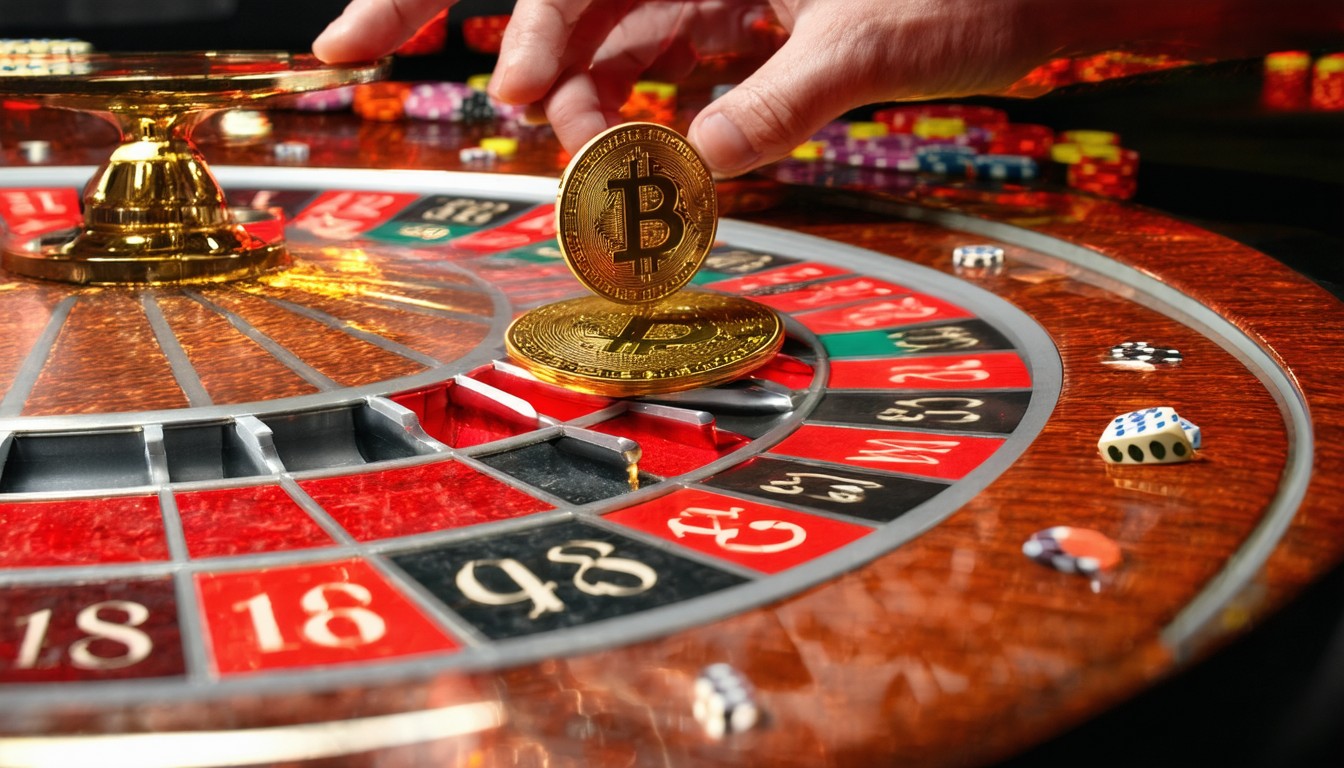
Crypto casinos have exploded in popularity, offering quick deposits, anonymous play, and fast, borderless payouts. But within this digital frontier, one silent behavioral pattern stands out as a significant warning sign: the urge to “chase last night.” This phrase—common in online gambling communities—refers to desperately attempting to recover losses from previous sessions by immediately playing again, often late into the night or during the very next day. While it might seem like an innocent reaction to a losing streak, “chasing last night” is a red flag that signals riskier behavior, especially in the high-speed, always-open world of crypto casinos.
What Does “Chasing Last Night” Really Mean?
The Psychology of Loss Recovery in Crypto Gambling
At its core, chasing losses is a well-documented human behavior rooted in cognitive bias. The dopamine-driven thrill of winning can be so strong that after a loss, players feel compelled to return and recoup their losses—often escalating bets and disregarding logic in the process. In the context of crypto casinos, where digital assets can be wagered at any hour and transactions are near-instantaneous, this compulsion can accelerate rapidly.
- Round-the-clock availability: Crypto platforms never close, removing natural stopping points.
- Anonymity and decentralization: The lack of ID checks or withdrawal limits lowers psychological “brakes.”
- Price volatility: Fluctuating crypto values can fuel higher risk-taking to “make up” for perceived loss of value.
These elements combine to create a perfect storm for impulsive, repeated gambling sessions under the guise of making back what was lost.
Scenario: A Vicious Cycle Unfolds
Imagine a player who loses a significant amount on a Bitcoin roulette table. As night falls, they’re haunted by the loss, replaying every bet in their mind. The next evening, instead of stepping away, they swiftly redeposit, double their past bet, and start spinning—hoping desperately that fortune will reverse. In many forums, this ritual becomes a topic of confessional posts, and too often, it ends in even deeper losses.
“The moment a gambler finds themselves trying to win back last night’s losses, they’re slipping down a slope that’s far steeper and more treacherous than they realize,” notes Dr. Raphael Lin, a psychologist specializing in addiction and behavioral economics.
Why Crypto Casinos Amplify the Risk
Structural Features That Encourage Chasing
Crypto casinos possess unique characteristics that can exacerbate risky post-loss behavior compared to conventional online gambling venues:
- Instant wallet access means you can immediately transfer funds from a crypto wallet after a loss.
- No banking delays or daylong waiting periods strip away the artificial cooling-off periods that traditional payment processors inadvertently provide.
- Social anonymity allows players to avoid the social embarrassment that might otherwise restrain a destructive streak.
Further compounding matters, many platforms offer promotions—like deposit bonuses—explicitly targeting those who’ve recently lost, enticing them to return swiftly.
Data Points and Industry Observations
Anecdotal evidence from major online forums and research by gambling harm advocacy groups suggest that crypto gamblers are more likely to engage in rapid back-to-back sessions following a loss. Several consumer watchdog organizations have highlighted the lack of regulatory guardrails as a particular concern for at-risk players.
According to a 2023 review in the Journal of Gambling Studies, problem gamblers in unregulated online environments showed higher rates of repeat spending “episodes” and more severe financial harm than those restricted by deposit and play controls.
Recognizing the Warning Signs in Yourself and Others
Behavioral Markers to Watch
Spotting the early stages of compulsive chasing can make all the difference. Key signs include:
- Feeling obsessed with the outcome of previous sessions, unable to focus on other activities
- Rapid redepositing or increasing bet sizes following a loss
- Lying about the time or money spent gambling
- Experiencing mood swings—elation on wins, despair on losses
Friends or family may notice withdrawal or secrecy. Individuals might self-isolate or justify their behavior with phrases like, “I just need one good run to break even.”
Community and Peer Influence
In crypto casino Discord groups and Reddit threads, “chasing last night” stories often crop up—sometimes as cautionary tales, other times as misguided encouragement. Pay attention to emotional language and patterns among peers; normalization of loss-chasing can escalate collective harm.
Industry Safeguards and Responsible Play Initiatives
Is the Crypto Casino Sector Doing Enough?
Unlike licensed fiat casinos, most crypto gambling platforms still operate in legal grey areas. Player protections like deposit limits, time-outs, and self-exclusion tools are typically optional—if they exist at all.
Some notable exceptions are emerging. For instance, a handful of leading brands have begun integrating optional reality checks, session reminders, and even offering blockchain-based “loss limit” contracts. However, these features remain the exception rather than the rule.
“Self-regulation is still patchy, and robust third-party oversight is almost nonexistent in crypto gambling. Players must be extra vigilant and proactive,” cautions gaming industry consultant Anna Becker.
Self-Management Strategies for Players
Until widespread regulatory frameworks emerge, individuals bear much of the responsibility. Experts recommend:
- Setting strict bet and loss limits ahead of each session
- Using separate wallets to cap available play funds
- Taking regular, scheduled breaks—never playing late into the night after losses
- Seeking support communities focused on harm reduction
Apps and browser plugins that restrict access to gambling sites during vulnerable hours can also provide technological safeguards.
The Broader Context: Why “Chasing Last Night” Is a Red Flag—Not Just a Bad Habit
The pattern of chasing prior losses, especially in a borderless, lightning-fast crypto gambling environment, is more than a personal flaw. It signals underlying risk factors that can manifest as full-blown addiction or financial ruin if unchecked. The absence of strong oversight makes the warning signs even more urgent.
Gambling addiction clinics report a rise in clients whose primary medium is cryptocurrency, with a notable share admitting to repeated, back-to-back loss-chasing sessions. Early intervention is crucial—not just for the well-being of the individual, but for the health of the broader crypto and iGaming sectors as they mature.
Conclusion
“Chasing last night” within the boundary-less world of crypto casinos is a critical warning sign, both for individuals and the industry at large. The opacity, speed, and lack of regulation inherent in crypto gambling make it easier than ever to fall into damaging cycles of loss-chasing. Recognizing this behavior as a hidden red flag—and taking conscious steps to counteract it—is essential. Responsible gambling tools, peer support, and greater industry safeguards will play a central role as the sector evolves. For now, vigilance and self-awareness remain the best lines of defense.
FAQs
What does “chasing last night” mean in crypto casinos?
It’s the act of returning to gamble again soon after a losing session, hoping to recover losses by repeating play, often at higher risk.
Why is it riskier to chase losses on a crypto casino than a traditional one?
Crypto casinos operate 24/7, lack enforced limits, and offer instant funding, which removes cooling-off periods and allows more impulsive play.
Are there any responsible gambling measures in crypto casinos?
While some platforms offer tools like deposit limits and session reminders, most lack robust, mandatory safeguards found in regulated environments.
What are signs I might be “chasing last night”?
Frequent thoughts about previous losses, redepositing rapidly, increasing bet sizes, and gambling at odd hours can all be indicators.
Where can I seek help if I notice compulsive gambling behavior?
Online forums, counseling services specializing in gambling addiction, and harm-reduction communities provide support tailored to both fiat and crypto gamblers.
Can blockchain technology help with responsible gambling?
There is potential for integrating loss limits and tracking via blockchain, but adoption of such tools is still in its early stages within the industry.











Leave a comment