


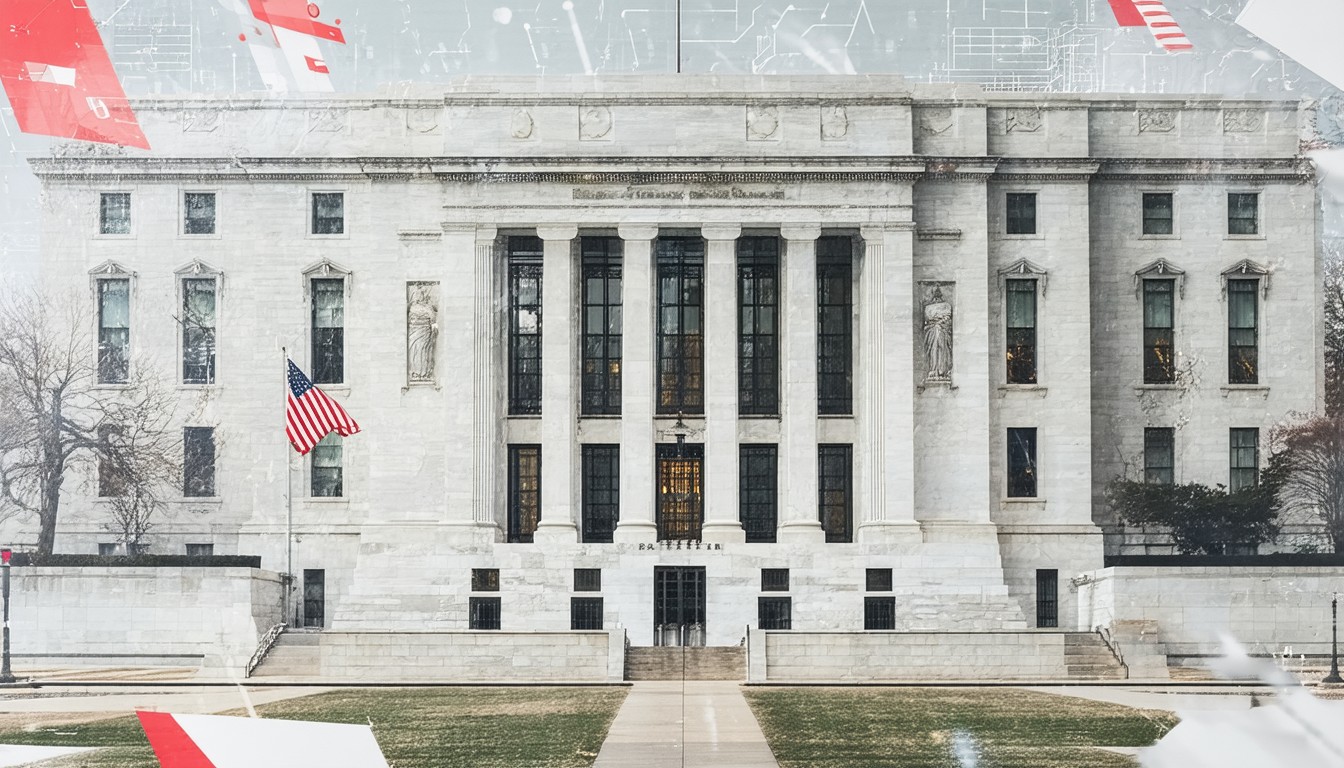
A Federal Reserve rate cut isn’t just a technical adjustment inside the marble halls of the U.S. central bank. It’s a seismic monetary event, rippling through Wall Street trading floors, household budgets, and global economies. As the Fed recalibrates its benchmark interest rate—typically to stimulate economic activity during periods of slow growth or financial uncertainty—the effects cascade into everything from mortgage payments to stock prices and the job market. Understanding how a Fed rate cut operates, and why it matters, is essential for investors, borrowers, and anyone seeking to grasp the dynamics of the modern economy.
Why Does the Fed Cut Rates? The Monetary Policy Context
When the Federal Reserve cuts its target for the federal funds rate—the overnight lending rate between U.S. banks—it seeks to lower the cost of borrowing across the economy. This policy lever, one of the Fed’s primary tools, is used to:
- Encourage consumer spending and business investment by making loans cheaper.
- Offset slowing economic growth or rising unemployment.
- Cushion the economy from shocks, such as geopolitical instability, trade disputes, or banking crises.
Historically, major rate cuts have come amid downturns or crises. For example, during the 2008 financial meltdown, the Fed slashed rates to near zero, and again in early 2020 as the COVID-19 pandemic shut down much of the global economy.
Immediate Impact on Financial Markets
Stock Market Reactions
Equity traders often react swiftly to a Fed rate cut. Lower borrowing costs tend to increase corporate profitability, boost consumer spending, and make riskier assets—like stocks—appear more attractive relative to safe-haven alternatives such as bonds or cash.
However, context matters. A rate cut seen as a pre-emptive move can spark rallies. Conversely, a cut undertaken in response to serious economic trouble can lead to volatility or even declines. The S&P 500, for example, surged in the months following several past mid-cycle cuts, yet also experienced turbulence when cuts came amid deepening recession signals.
Bond Yields and Fixed Income
Bond markets quickly reprice on Fed moves. When the Fed lowers rates, yields on Treasuries and other fixed-income securities fall. This drives up prices for existing bonds and lowers interest rates across government, corporate, and municipal debt.
"A Fed rate cut acts as an immediate signal to fixed-income investors, compressing yields and shifting expectations on future inflation and growth," notes Jane Douglas, a senior fixed-income strategist at a leading investment firm.
Currencies and Commodities
Lower rates tend to weaken the U.S. dollar as investors seek higher yields elsewhere, making American exports more attractive and affecting commodity prices globally. Gold and other dollar-priced assets may benefit as the dollar slips and inflation expectations creep up.
How Rate Cuts Affect Loans and Borrowing
The Fed doesn’t dictate loan rates directly, but its benchmark sets the tone for borrowing costs across the economy.
Mortgages and Home Financing
For consumers, the most noticeable impacts are often on home loans. Adjustable-rate mortgages, home equity lines of credit, and new fixed-rate mortgages can become less expensive after a rate cut, prompting a surge in refinancing and purchase activity.
In practice, mortgage rates also reflect factors like long-term Treasury yields and risk premiums, so not every rate cut immediately translates to lower monthly payments. Still, during major Fed easing cycles, millions of homeowners have seized opportunities to lock in savings.
Credit Cards, Auto Loans, and Personal Loans
Credit card interest rates and many forms of personal or auto loans are closely tied to the prime rate, which tracks the Fed funds rate plus a margin. Rate cuts can quickly reduce interest charges and make new borrowing more attractive.
Small Business and Corporate Loans
Cheaper borrowing isn’t just for consumers. Rate reductions lower the cost of business loans, credit lines, and funding for capital investments, offering critical relief for companies during economic slowdowns.
Broader Economic Impacts: Growth, Jobs, and Risks
Encouraging Spending and Investment
By making loans cheaper, the Fed aims to nudge consumers and businesses to spend and invest, supporting job creation and economic demand. Retail spending, auto sales, and housing activity often pick up after significant rate cuts.
Inflationary Pressures
Fed rate cuts can boost inflation, particularly if the economy is already running hot. While the central bank’s dual mandate includes keeping inflation moderate, sometimes it risks modestly higher inflation to avoid recession.
Asset Bubbles and Unintended Consequences
Persistently low rates can encourage excessive risk-taking and inflate asset prices. The post-2009 era, for instance, saw strong recoveries in stock and housing prices, but also spurred concerns about speculative bubbles and wealth inequality.
International Spillovers
The Fed’s moves don’t stop at U.S. borders. Lower U.S. rates drive global capital flows, influence foreign exchange rates, and force other central banks to adjust policies. Emerging market economies can face particular stress as investors seek higher yields abroad or as U.S. currency moves disrupt local debt burdens.
Real-World Examples: Fed Rate Cuts in Action
- 2008–2009 Global Financial Crisis: The Fed slashed rates from over 5% to nearly zero. U.S. equity markets eventually rebounded, while mortgage refinancing and corporate borrowing soared.
- March 2020 (COVID-19 Shock): The Fed implemented an emergency cut to zero amid pandemic-induced chaos. The action helped restore liquidity and contributed to a record stock market recovery over the following year.
- Late 2019 “Insurance Cuts”: The Fed trimmed rates before overt signs of recession appeared, aiming to cushion the economy from trade tensions and a global slowdown.
These moments reveal the Fed’s rate cut as both a stabilizing mechanism and a potent, sometimes controversial, force shaping the economic landscape.
Conclusion: What to Watch After a Fed Rate Cut
A Fed rate cut reverberates far beyond its initial announcement, touching markets, borrowing costs, and daily economic decisions. While rate cuts can prop up growth and cushion shocks, they also come with trade-offs—potential for inflation, asset bubbles, and longer-term adjustment challenges.
Savvy observers look not just at the cut itself, but at the surrounding context: Why did the Fed act, how are markets reacting, and what signals are coming from the broader economy? As monetary policy continues to shape the post-pandemic world, understanding the Fed’s tools—and their impact—is more important than ever for investors and consumers alike.
FAQs
What triggers a Fed rate cut?
The Fed typically cuts rates in response to slowing economic growth, rising unemployment, or financial market instability. Policy decisions consider a wide array of economic indicators, including inflation, consumer spending, and global developments.
How soon do borrowers feel the effects of a rate cut?
Some rates, like credit cards and variable-rate loans, may change within weeks. Others, like fixed mortgages, depend on broader market conditions and may adjust more gradually.
Can a Fed rate cut lower my mortgage rate?
A Fed rate cut often leads to lower mortgage rates, especially for adjustable-rate loans. However, rates also depend on other factors, including long-term bond markets and lender risk assessments.
Does a Fed rate cut always push stock markets higher?
While lower rates often boost stocks, especially if they reduce borrowing costs for corporations, market reactions also depend on broader economic context and investor expectations.
What are the risks of repeated rate cuts?
Persistent cuts can inflate asset prices and contribute to excessive risk-taking. They also reduce the Fed’s ability to respond to future downturns since further cuts become limited as rates approach zero.










Leave a comment