


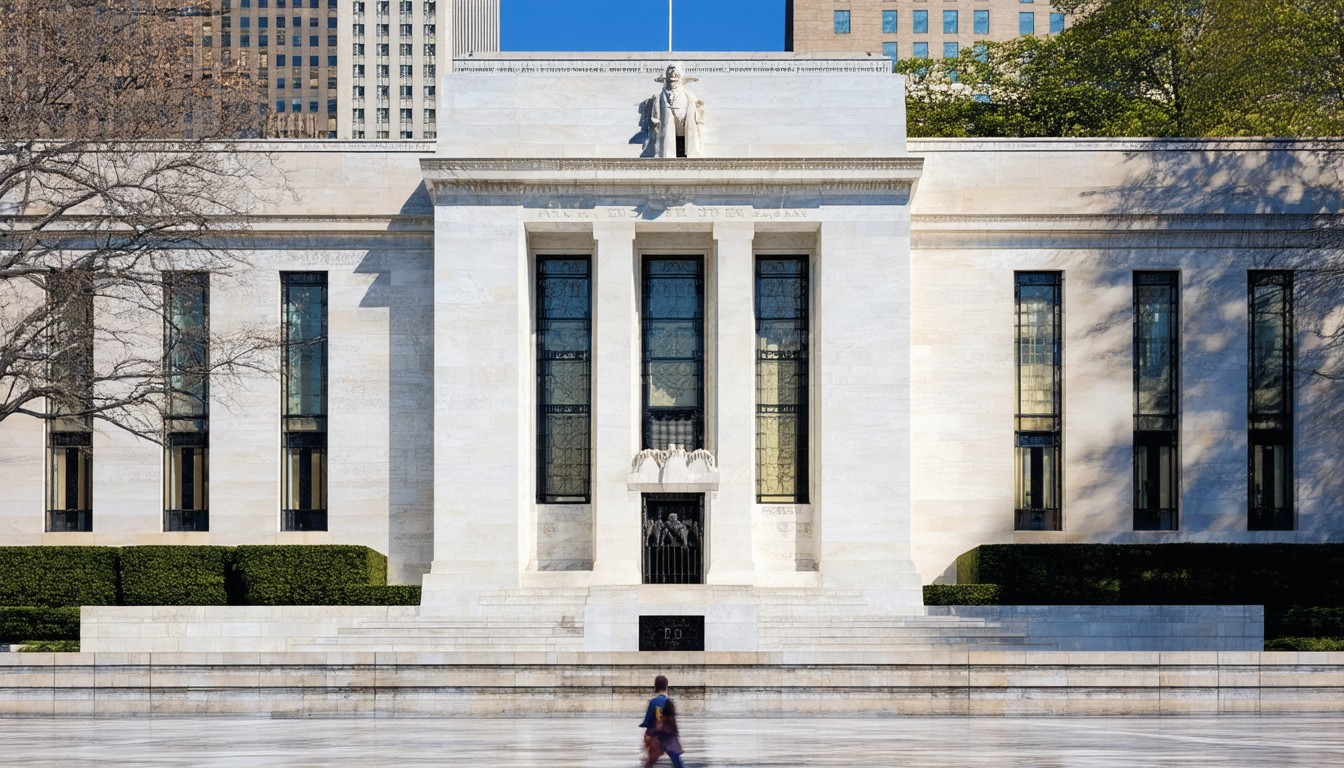
The Federal Reserve, commonly referred to as the Fed, is the central bank of the United States—an institution whose decisions reverberate across global markets and everyday American life. Born from a need to stabilize the banking system in the early 20th century, the Federal Reserve has since evolved into one of the world’s most influential financial authorities. Its policies can shift interest rates, shape employment prospects, and even alter the course of economic cycles, underscoring its immense sway over the nation’s economic well-being.
Core Functions of the Federal Reserve
Guiding Monetary Policy
Perhaps the most well-known role of the Federal Reserve is its stewardship over U.S. monetary policy. This function centers on managing the supply of money and credit to both promote maximum employment and maintain stable prices. Through tools such as the federal funds rate, open market operations, and reserve requirements, the Fed exerts subtle yet impactful influence on borrowing costs throughout the economy.
For instance, when economic growth slows, the Fed may lower interest rates to make borrowing less expensive, stimulating spending and investment. Conversely, to cool off inflationary pressures, it can raise rates to slow down consumer and business activity.
"The Federal Reserve’s decisions on interest rates don’t just move the stock market—they drive the real economy, affecting everything from mortgages to job growth," notes former Fed Chair Janet Yellen.
Ensuring Financial System Stability
Beyond monetary policy, the Fed serves as a guardian of financial stability. It supervises and regulates a vast array of banks and financial institutions, aiming to prevent crises and ensure the safety of the nation’s banking system. In times of turmoil, such as the 2008 financial crisis, the Federal Reserve can act as a lender of last resort, injecting much-needed liquidity to stem systemic panic.
Part of its stability mandate includes stress testing major banks to assess their resilience during economic downturns. These stress tests and regulatory frameworks have helped restore confidence in the wake of previous crises.
Fostering Payment System Efficiency
The smooth functioning of payments—from debit card transactions to multi-billion-dollar wire transfers—depends on the infrastructure managed by the Federal Reserve. By overseeing and facilitating the clearance and settlement of trillions of dollars daily, the Fed underpins trust in the nation’s financial flows.
Over recent years, it has also pushed for improvements in payment technology, including modernizing interbank transfer systems and exploring the feasibility of central bank digital currencies (CBDCs) to better serve a rapidly digitizing economy.
Structure: How the Federal Reserve Is Organized
The Board of Governors
At the apex of the Federal Reserve sits the Board of Governors, a seven-member panel appointed by the President and confirmed by the Senate. Headquartered in Washington, D.C., the Board sets broad policy directions, supervises the reserve banks, and serves as the public face of the institution.
Each governor serves a staggered 14-year term, insulating the Fed from short-term political pressure and promoting stability in long-term policymaking.
The Twelve Regional Reserve Banks
Beneath the Board lie 12 regional Federal Reserve Banks, spread across major cities like New York, Chicago, and San Francisco. These banks act as the operational arms of the system, providing services to commercial banks, conducting economic research, and serving local financial needs. Each is semi-independent, with its own president and board, creating a balance of national oversight and regional perspective.
The Federal Open Market Committee (FOMC)
The FOMC is the Fed’s main policy-making body for monetary affairs. Composed of the seven Board members and five regional bank presidents (who rotate), the FOMC meets regularly to assess economic conditions and set targets for short-term interest rates.
This committee’s highly anticipated decisions determine not just national financial trends, but also influence global markets and investment flows.
The Federal Reserve's Impact on the U.S. Economy
Shaping Jobs, Growth, and Inflation
The Federal Reserve’s dual mandate—maximum employment and price stability—requires a delicate balancing act. When the Fed eases monetary policy, it can spur job creation and economic expansion. However, keeping rates too low for extended periods risks fueling inflation, as was observed in the late 1970s.
On the other hand, aggressive rate hikes to combat inflation can inadvertently slow hiring and increase unemployment. The post-pandemic recovery, for example, has seen the Fed navigate rapidly shifting economic landscapes, reining in ultra-low rates as inflationary pressures mounted in 2021 and 2022.
Influencing Markets and Global Finance
Beyond U.S. borders, the Federal Reserve’s moves can jolt currency parity, set the tone for international investment, and even pressure foreign central banks to respond. Dollar strength or weakness, driven, in part, by Fed policy, impacts everything from the cost of imports to the revenue prospects of multinational corporations.
A notable example was the Fed’s 2013 announcement of tapering its bond-buying program—a signal that sent global markets into turmoil and raised borrowing costs in emerging economies, illustrating the worldwide ramifications of the Fed’s choices.
Responding to Crisis: Case Studies
During the 2008 global financial crisis, the Federal Reserve orchestrated a series of unprecedented interventions—from near-zero interest rates to large-scale asset purchases (quantitative easing). These actions helped stabilize credit markets and underpinned a slow but durable economic recovery.
Fast forward to 2020, as the COVID-19 pandemic gripped the world and markets plunged, the Fed once again stepped in with swift emergency measures. Massive liquidity injections and purchase programs reassured investors and provided critical support as businesses and households navigated uncharted territory.
Criticism, Debate, and Evolving Challenges
While the Federal Reserve is widely respected for its economic stewardship, it is not without detractors. Critics frequently raise concerns around transparency, accountability, and the distributional effects of its policies. Some argue that prolonged low interest rates can exacerbate wealth inequality by boosting asset prices, while others point to the risk of financial bubbles.
Nonetheless, ongoing reforms aimed at increasing transparency—such as publishing meeting minutes and holding press briefings—reflect the Fed’s efforts to adapt to changing public expectations.
Conclusion: The Fed’s Enduring Relevance
The Federal Reserve remains a cornerstone of America’s economic architecture, balancing a complex array of goals amid shifting global dynamics. Its ability to adapt methods, communicate policy shifts, and act in crisis has kept it relevant for over a century. Moving forward, an informed public and robust debate about the Fed’s direction will play a vital role in ensuring its continued effectiveness.
FAQs
What is the main purpose of the Federal Reserve?
The Federal Reserve’s primary goals are to maintain stable prices, promote maximum employment, and foster a safe financial system in the U.S.
How does the Federal Reserve influence interest rates?
By setting the federal funds rate and conducting open market operations, the Fed indirectly determines the cost of borrowing throughout the economy.
Why is the Federal Reserve considered independent?
The structure of the Fed, including long governor terms and regional bank oversight, helps shield its decisions from short-term political pressures.
What happens during a Federal Reserve crisis intervention?
In financial emergencies, the Fed can lower rates, lend to banks, and buy assets to stabilize markets and support economic activity.
How do Federal Reserve actions affect everyday Americans?
Fed policies directly influence mortgage rates, savings returns, job availability, and overall economic opportunity, impacting most aspects of daily financial life.
Can the Federal Reserve’s decisions affect other countries?
Yes, as the U.S. dollar is a global reserve currency, Fed decisions often have international ripple effects on trade, investment, and monetary policy abroad.










Leave a comment