


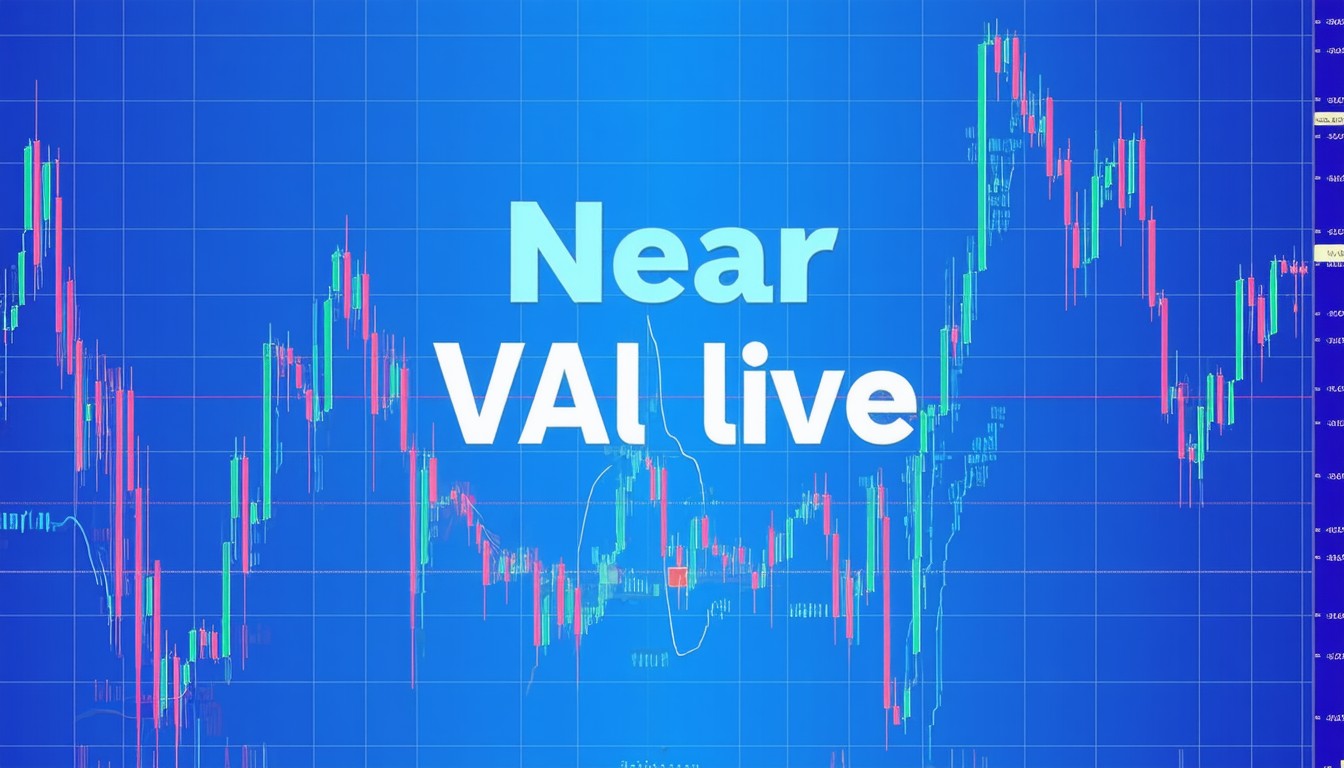
The rapid expansion of blockchain ecosystems has reshaped both the cryptocurrency landscape and investor strategies. NEAR Protocol, positioned as one of the most developer-friendly, sustainable, and scalable layer-1 blockchain platforms, has consistently garnered attention—both for its innovative technology and the dynamic movements of the NEAR price. As volatility pulses through the digital asset sector, the NEAR Protocol’s value, market cap, and trading trends offer a unique narrative for participants and observers alike.
What Influences the NEAR Price? Key Drivers and Market Dynamics
The price action of NEAR is shaped by a blend of internal developments and external market trends. Several critical factors come into play:
1. Network Upgrades and Technical Innovations
Major protocol upgrades—such as improvements in sharding technology, scalability, or interoperability—tend to spark market enthusiasm. For example, the introduction of Nightshade sharding on NEAR significantly increased its transaction throughput. This, in turn, positioned NEAR as a worthy contender against other high-speed networks like Solana and Avalanche.
2. Ecosystem Growth
As new decentralized applications (dApps), DeFi protocols, and NFT projects launch on NEAR, their success can drive increased on-chain activity and token demand. Partnerships with platforms like Binance, The Graph, and Aurora have extended NEAR’s reach, while grant programs fuel development and attract new users.
3. Broader Crypto Market Sentiment
Crypto market cycles—such as Bitcoin rallies or industry downturns—inevitably influence the NEAR price. When major cryptocurrencies trend higher, altcoins like NEAR often experience correlated gains, albeit sometimes with heightened volatility. Conversely, global macroeconomic pressures or regulatory headlines can suppress enthusiasm across the entire sector.
“The value of NEAR, much like its leading competitors, often hinges not only on its technical upgrades but also on the broader risk appetite of the crypto investment class.”
— William Harris, Digital Asset Markets Analyst
Exploring NEAR Protocol’s Market Cap and Circulating Supply
Market capitalization is a crucial metric for understanding NEAR’s position in the crypto ecosystem. It is calculated by multiplying the live NEAR price with the circulating supply of tokens.
A larger market cap often reflects stronger investor confidence and ecosystem maturity, while sudden increases (or drops) may signal changing trader sentiment or large token unlocks. Tracking NEAR’s circulating supply is equally important: token emissions, vesting schedules, and staking activities all impact float, liquidity, and potential price movements.
- Market Cap Fluctuations: NEAR has experienced both explosive growth phases and sharp contractions, often mirroring larger cryptoeconomic patterns.
- Tokenomics: A portion of NEAR tokens are staked to secure the network, influencing the tradable supply and, by extension, price volatility.
- Real-Time Transparency: Platforms like CoinGecko and CoinMarketCap offer up-to-date snapshots of NEAR’s circulating supply and market cap, helping both retail and institutional traders assess value.
NEAR Price Chart Analysis: Volatility, Patterns, and Technical Levels
A live NEAR price chart provides more than just numbers—it reveals the underlying sentiment of traders and investors.
Key Chart Patterns and Indicators
- Support and Resistance Zones: NEAR often observes strong support near historically tested lows and faces resistance at multi-month highs.
- Volume Surges: Spikes in trading volume frequently precede significant price moves, hinting at either breakout potential or rapid sell-offs.
- Moving Averages and RSI: Many traders watch key moving averages (such as the 50-day and 200-day) and Relative Strength Index for signs of momentum shift or overbought/oversold conditions.
Real-World Example: 2023 Volatility
In early 2023, NEAR experienced notable volatility amid wider risk-on movements in the crypto market. Strategic partnerships, new developer grants, and a surge in DeFi adoption led to price rallies. However, macroeconomic uncertainty and tech sector layoffs reflected quickly in NEAR’s chart, triggering corrective phases before a gradual recovery.
Tools for Live Chart Monitoring
- Industry Platforms: TradingView and Binance offer NEAR/USDT and NEAR/BTC live charts with comprehensive indicators.
- On-Chain Insights: Glassnode and Nansen provide deeper analytics, including wallet flows and staking participation.
Strategic Considerations: NEAR in the Web3 Landscape
Beyond technical analysis, several strategic elements shape NEAR’s value proposition in an increasingly competitive field.
Developer Activity and Ecosystem Funding
Network vibrancy is often measured by the number of active developers, the frequency of GitHub commits, and the inflow of venture capital. NEAR’s well-funded grants program and cross-chain initiatives (notably Aurora for Ethereum compatibility) have kept the protocol in the spotlight for both builders and institutional backers.
Security and Decentralization
The integrity of NEAR’s proof-of-stake model, combined with its approach to transaction finality and validator decentralization, fosters user confidence. Security audits, bug bounty programs, and community-driven governance all help maintain resilience against evolving threats.
Competing Layer-1 Blockchains
NEAR Protocol contends with platforms like Solana, Polkadot, and Cosmos for both developer mindshare and liquidity. While NEAR has emphasized usability and low transaction fees, differentiation in composability, scalability, and cross-chain interoperability remains crucial for long-term price appreciation and market cap expansion.
The Outlook for NEAR Price: Navigating Uncertainty and Opportunity
Navigating the future of NEAR’s price trajectory means balancing optimism about technological innovation and network growth with the realities of a volatile, speculative market. Persistent development, increased adoption, and positive macro trends could power future rallies, while market downturns and regulatory headwinds may induce sharp corrections.
As with any asset, due diligence, ongoing monitoring, and risk assessment are vital for anyone considering exposure to NEAR. Institutional participation and global partnership networks signal growing confidence, but prudent portfolio allocation is always recommended.
Conclusion
The NEAR price, market cap, and live value serve as dynamic barometers for both the protocol’s health and the wider crypto sector’s sentiment. As NEAR continues to evolve—through developer-driven upgrades, ecosystem expansion, and robust technical underpinnings—its price will remain a focal point for traders, investors, and blockchain enthusiasts. Monitoring live charts, understanding market cap shifts, and tracking ecosystem narratives provide invaluable context for informed decision-making in an ever-changing landscape.
FAQs
What is NEAR Protocol?
NEAR Protocol is a high-performance layer-1 blockchain designed to offer fast, low-cost, and scalable infrastructure for decentralized applications (dApps), DeFi, and NFTs. Its unique sharding architecture enables near-instant transaction processing and high throughput.
How is the NEAR price determined?
The NEAR price is set by open-market supply and demand on global cryptocurrency exchanges. Factors such as network activity, protocol upgrades, market sentiment, and broader trends in the crypto sector all impact pricing.
Where can I monitor NEAR’s live price and market capitalization?
Up-to-date NEAR price data, charts, and market cap information can be found on leading platforms such as CoinGecko, CoinMarketCap, Binance, and TradingView. These sources provide both real-time and historical analytics.
What influences the volatility of NEAR’s price?
NEAR's price volatility stems from factors like major project updates, ecosystem launches, shifts in crypto investor sentiment, regulatory news, and overall macroeconomic conditions. Sudden market movements can amplify price swings.
How does NEAR compare to other blockchain platforms?
NEAR is often compared to Solana, Polkadot, and Avalanche in terms of scalability, developer ecosystem, and transaction costs. Each platform presents unique strengths and tradeoffs around throughput, decentralization, and cross-chain compatibility.
Is NEAR a good investment?
As with all cryptocurrencies, NEAR carries inherent risks due to market volatility and evolving technology. Investors should conduct thorough research, monitor project developments, and consider risk management before making any investment decisions.










Leave a comment