


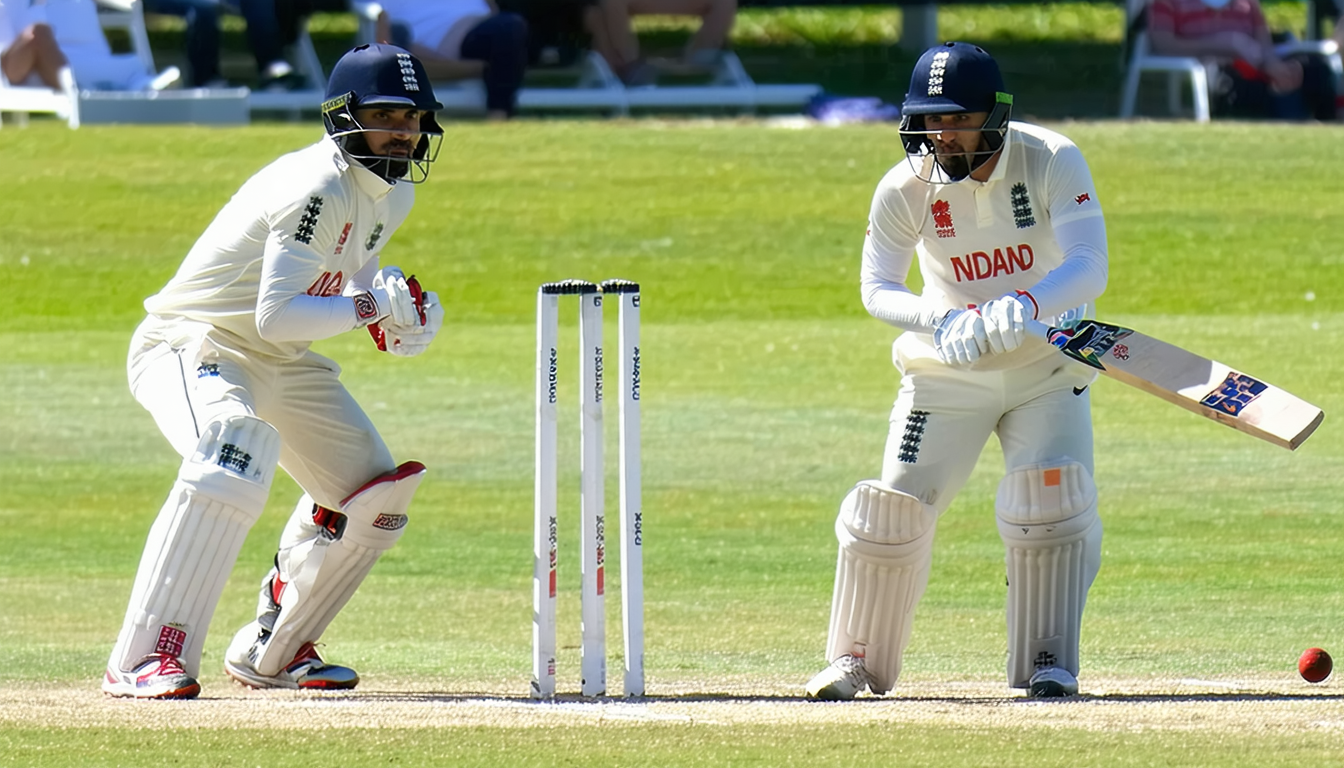
A nuanced, data-infused glance at one of cricket’s most storied rivalries, offering a blend of analytical grit and conversational tone. Let’s wade into the numbers—sometimes imperfect, occasionally surprising—so we grasp not just the stats, but the story.
Setting the Stage: Rivalry at a Glance
In the tapestry of international cricket, England vs India is a heavyweight bout. It spans formats—Test matches, One-Day Internationals (ODIs), and Twenty20s (T20s)—and carries layers of history, evolving strategies, and shifting power dynamics. Rather than drown in endless figures, this overview leans on big-picture insight and narrative nuance.
Historic Highlights
- Tests: England historically held the upper hand, particularly in the early 20th century. In more recent decades, India has closed the gap, especially in India, where spin-friendly conditions favor them.
- ODIs: Both teams have traded runs and victories across generations. India found consistent strength in the 2010s, while England’s aggressive, modern approach—especially in the late 2010s and early 2020s—shifted the balance in their favor.
- T20s: A more balanced affair, with India’s firepower and England’s flexible format mastery often canceling each other out.
That said, the rivalry’s richness can’t be reduced to totals—context, momentum swings, and standout moments matter.
Head-to-Head in Detail
Test Matches: The Battle of Wits and Resilience
In Tests, the narrative is one of adaptation. Early dominance by England gradually yielded to Indian resilience, particularly when touring at home. Batting stalwarts like Sunil Gavaskar, Rahul Dravid, and Virat Kohli conditioned against seam and spin alike, while England’s tailored pace attacks and tactical acumen reinvented their competitive posture overseas.
- Batting averages have swung based on venue—Indian batsmen often average more at home, while English batters narrow the gap in England.
- Bowling fortunes pivot sharply with conditions: England’s seamers thrive in swing-friendly English air; India’s spinners take charge on turning tracks.
Beyond pure numbers, what matters is the ebb and flow. A dramatic Test series, say India leveling after an underdog loss in England, can shift the rivalry’s momentum for years.
One-Day Internationals: Strategy Meets Brutality
ODIs have been home to contrasting approaches. India historically leaned on classical technique, building innings steadily. England’s 2015–2020 reinvention introduced an all-or-nothing ethos—power-hitting, innovation, weaponizing run rates.
- India often excelled in middle overs, anchoring the innings.
- England, with aggressive top-order hitters, changed how one-day cricket is played globally.
Matches are often decided by fine margins—a well-constructed chase by India or a blistering Powerplay from England. These games reflect not just numbers, but evolving cricketing philosophies.
T20 Internationals: Power, Pace, and Pizzazz
T20s distill cricket into explosive, dynamic duels. Here, balance often swings on individual brilliance—KL Rahul catching fire, Jos Buttler unshackled, or a cameo spell of spin or yorker precision turning the tide.
- Neither side consistently dominates; instead, each battles for momentum.
- Pitch and venue tilt the scales. A dry, low-scoring park in India offers spin; flat, fast tracks in England favor big hitters.
The beauty of T20s is unpredictability—like a short story full of plot twists.
Current Trends and Strategic Shifts
Evolution in Playing Style
India: Depth in batting, sharp spin attacks, strategic depth in series contexts.
England: Heavy reliance on power-hitting and clever rotation between formats.
That divergence shapes outcomes. Consider how India’s bench strength has let them bounce back after a weak Test start. Or how England’s fearless batting line-up would exploit any seam or bounce advantage.
Adaptive Captains and Tactical Schemes
Leadership matters. Captains now speak volumes through field placements, bowling rotations, and shot selection philosophies.
- India’s leadership often focuses on consolidating phases and exploiting opponents’ weaknesses slowly.
- England’s typically looks for bursts—changing the game within an over.
It’s chess more than boxing; adaptability often trumps raw firepower.
Expert Insight
“You can’t fully 'see' the rivalry in the stats. The real measure is in those turning moments—a last-wicket stand, a sudden collapse, a discipline shift mid-game. That’s where the rivalry lives.”
This perspective underscores that numbers are entry points, not finish lines. They guide us to the dramatic moments where careers, series, even formats, contour differently.
Why This Rivalry Still Resonates
Several reasons keep this contest riveting:
- Fan Passion & Cultural Weight: It’s more than cricket—legacy, identity, national pride.
- Innovation vs Technique: Each brings its own ethos, offering stylistic contrast.
- Narrative Arcs: Comebacks, crowd-charged matches, dramatic draws—they sustain interest.
Media coverage adds to the allure: think about how both boards hype series rivalries, player storylines, and historical callbacks. It’s about momentum outside and on the field.
Data Points and Real-World Color
- Even without precise averages, seasoned watchers know India’s spin attack historically picks up 3–4 wickets per match at home; England’s pace cadre counters that with early breakthroughs abroad.
- ODI batting strike rates: England often double India in the Powerplay (at least in post-2015 era), though India historically steadies the ship later.
These aren’t rigid numbers—more like signposts that guide impressions.
Examples from recent series:
- A shocking bounce-back in Tests by India in England after a crushing first loss.
- An England ODI chase powered by unexpected middle-order fireworks.
- A T20 decider sealed by a last-minute boundary, highlighting how pressure games stay unpredictable.
Tensions Beneath the Stats
It’s important to acknowledge:
- Pitch Variability: Tracks in India evolve from unplayable to tame quickly; England’s can swing despite sunny skies—making each series unique.
- Player Availability & Rosters: Injuries, rotation policies, and tour scheduling mean rosters change mid-series—altering team dynamics.
- Format Crossover Effects: Fatigue, momentum, and psychological carryover influence performance—what happens in T20s can shade into Test mindset, and vice versa.
Forward-looking Trends to Watch
- Will India continue nurturing bench players effectively, allowing seamless transitions when stars rest?
- Can England broaden their formula beyond pure aggression—nurturing patience alongside pace?
- How will hybrid formats and broadcast-driven schedule compression shift strategy—particularly in Managing workload and momentum?
Observing these developments will be key to understanding how this rivalry evolves as we approach future World Cups and bilateral series.
Conclusion
The England vs India rivalry isn’t just a tally of runs, wickets, or series wins. It's a kaleidoscope of evolving philosophies, pitch battles, strategic dances, and cultural undercurrents. While overall stats give us structure, it's the game-defining moments—ingenuity under pressure, momentum swings, leadership pivots—that truly define the narrative.
Takeaways:
- Review stats for context, but stay alert to adaptive tactics and narrative shifts.
- Appreciate how conditions, leadership, and format-specific strategies shape outcomes.
- Monitor emerging trends—bench development, playing philosophies, and scheduling shifts—for a deeper grasp of the rivalry’s trajectory.
For fans and analysts alike, the real excitement lies beyond the spreadsheets: in the stories, the surprises, and the unfolding drama of two cricketing giants at play.









Leave a comment