


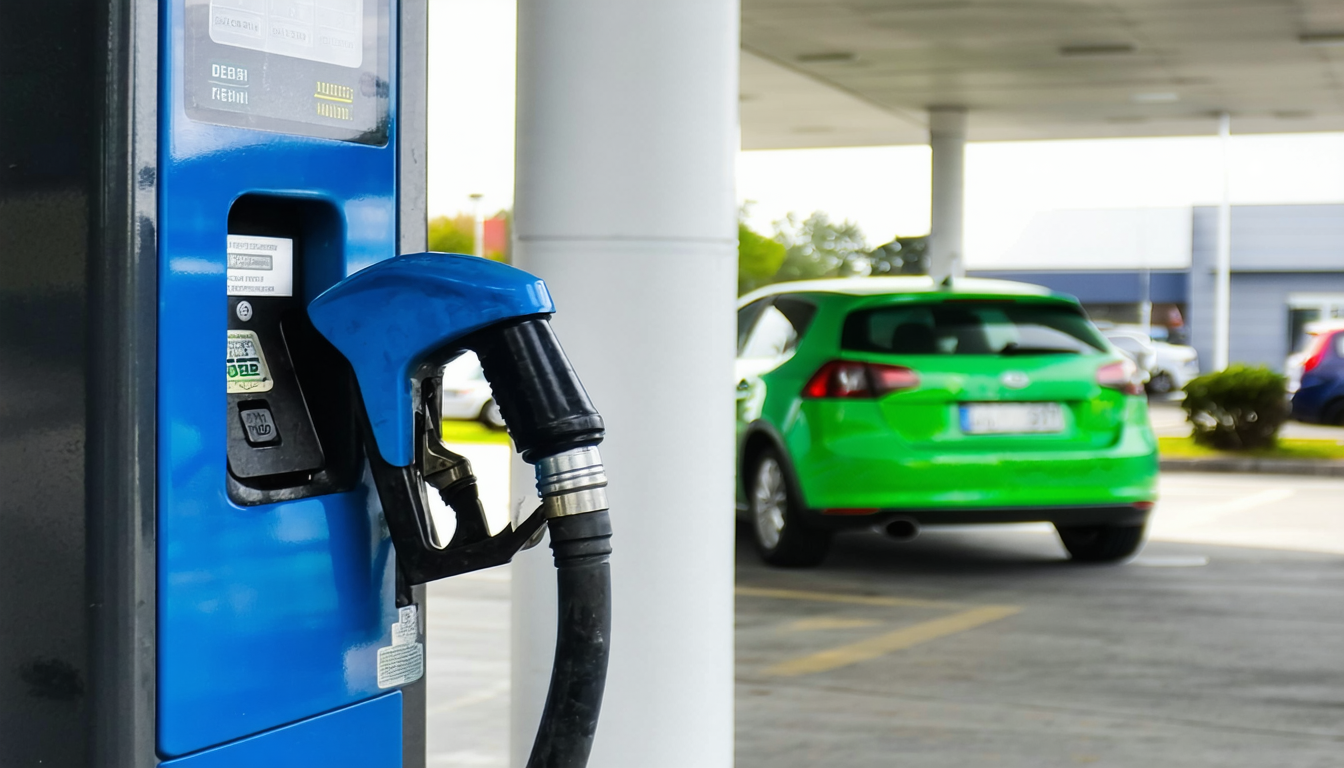
Diving into the present moment—January 2026—drivers are seeing some of the most affordable fuel costs in recent memory. According to GasBuddy’s 2026 Fuel Price Outlook, the national average gas price is projected to come in around $2.97 per gallon—marking the lowest yearly figure since 2020 and trimming about 13 cents from the 2025 average of approximately $3.10 per gallon. This projection reflects broader trends such as increased refining capacity and central banks easing economic overheating. (houstonchronicle.com)
Meanwhile, historical data cements how far prices have fallen. Late 2025 saw frequent dips below $3: AAA data reported that as of December 2, 2025, the national average for regular unleaded dropped to about $2.998 per gallon, the first sub-$3 reading since May 2021. In fact, 18 states reported averages under $2.75, with Oklahoma offering some of the lowest rates—below $2.50 per gallon. (caranddriver.com)
For a baseline snapshot of current prices, the aggregated data from AAA as of January 26, 2026, shows a broad range across the country. While Hawaii remains the most expensive state—with prices near or above $4.40 per gallon—many others are clustered below $3, especially across the South and Midwest. (gasprices.aaa.com)
Regional Disparities: Why Prices Differ So Sharply
H2: West Coast vs. Heartland—A Stark Divide
Fuel prices continue to differ markedly by geography. On one end, states like California and Hawaii hover above $4 per gallon—reflecting higher fuel taxes, stringent environmental mandates, and logistical costs. On the lower side are states such as Oklahoma, Arkansas, and Texas, where averages can dip under $2.60 per gallon. (caranddriver.com)
These discrepancies are not random—they’re influenced by:
- State-specific excise taxes and environmental fees
- Refineries and pipeline infrastructure availability
- Seasonal and regional demand patterns
H3: Notable Extremes—and Their Underlying Causes
For instance, California’s notoriously high costs stem from its strict fuel-blend requirements and elevated taxes, while Oklahoma benefits from lower tax burdens and closer proximity to supply routes. These variables underscore how even minor policy shifts or supply interruptions can amplify price differences.
Trends and Outlook: Navigating the Fuel Market
H2: Looking Backward to Forecast the Next Moves
Even as prices are historically low, caution is needed. Patrick De Haan of GasBuddy previously warned that falling prices could signal weakening demand—a concern for broader economic health. (marketwatch.com)
That said, GasBuddy’s forecast for 2026 remains optimistic: with an average near $2.97, it points toward continued affordability. Yet, the outlook acknowledges potential headwinds—weather events, refinery glitches, geopolitical shifts—that could abruptly alter the landscape. (houstonchronicle.com)
H3: Midterm Trends—Monthly and Year-over-Year Shifts
- Late 2025 averaged under $3 for the first time in years. December figures hovered around $2.998, modestly better than the day prior. (caranddriver.com)
- Regionally, states like Alaska and Colorado saw opposite trajectories—some posting significant increases year-over-year, others seeing sharp declines. (lendingtree.com)
These patterns matter for budgeting, planning road trips, and understanding inflationary pressures. Even relative savings—for example, paying hundreds of dollars less annually per household—can significantly impact household budgets.
Expert Insight
"Falling gas prices have been a welcome relief, but they’re a double-edged sword—on one hand, easing costs at the pump; on the other, potentially signaling softer demand and broader economic headwinds."
— Patrick De Haan, Head of Petroleum Analysis at GasBuddy (paraphrased)
This underscores the need for cautious interpretation of low fuel prices—not just as consumer benefit but as an economic barometer.
Practical Takeaways for Consumers and Planners
H2: What This Means for Everyday Drivers
- Plan road trips smartly — target your route to states with more affordable fuel, especially in the South and Midwest.
- Monitor macroeconomic cues — sudden gas price drops might align with signs of economic slowdown.
- Watch geopolitical and seasonal factors — hurricanes, refinery maintenance, or policy shifts can drive temporary spikes.
- Use technology — apps like GasBuddy provide real-time alerts, helping consumers pinpoint short-term bargains.
Conclusion
In summary, “gas price today” in early 2026 reflects a uniquely affordable era—with national averages falling below $3 per gallon and projections centering near $2.97. Yet, the disparity between states—especially high-cost regions like California versus low-cost zones like Oklahoma—reminds us how geography and policy influence what drivers pay.
Beyond simply celebrating low prices, it's wise to recognize their implications: signaling deeper economic shifts and prompting savvy planning. For drivers and policymakers alike, staying informed and responsive to these trends will shape smarter decisions moving forward.
Let the price dips offer a breather—but stay alert to what they might be telling us about the road ahead.
FAQ
What is the current national average gas price?
Projections for 2026's annual average sit around $2.97 per gallon—marking the lowest level since 2020. Late 2025 figures also dipped below $3, with daily national averages averaging around $2.998. (houstonchronicle.com)
Which states have the highest and lowest prices right now?
Hawaii and California lead the list of highest prices—hovering around $4.40–$4.50. Conversely, Oklahoma, Arkansas, and Texas offer some of the cheapest averages, often below $2.60. (caranddriver.com)
Are low gas prices purely good news?
Not necessarily. While lower costs benefit consumers, they may also reflect weaker demand, which can signal broader economic softness. (marketwatch.com)
What influences regional price differences?
Key factors include:
- Tax and environmental regulation variations
- Proximity to refineries and distribution infrastructure
- Seasonal demand fluctuations and logistical constraints
How can drivers make the most of current trends?
- Track real-time apps like GasBuddy
- Time trips when prices are expected to stabilize or dip
- Stay aware of regional drivers and policy changes impacting fuel costs









Leave a comment