


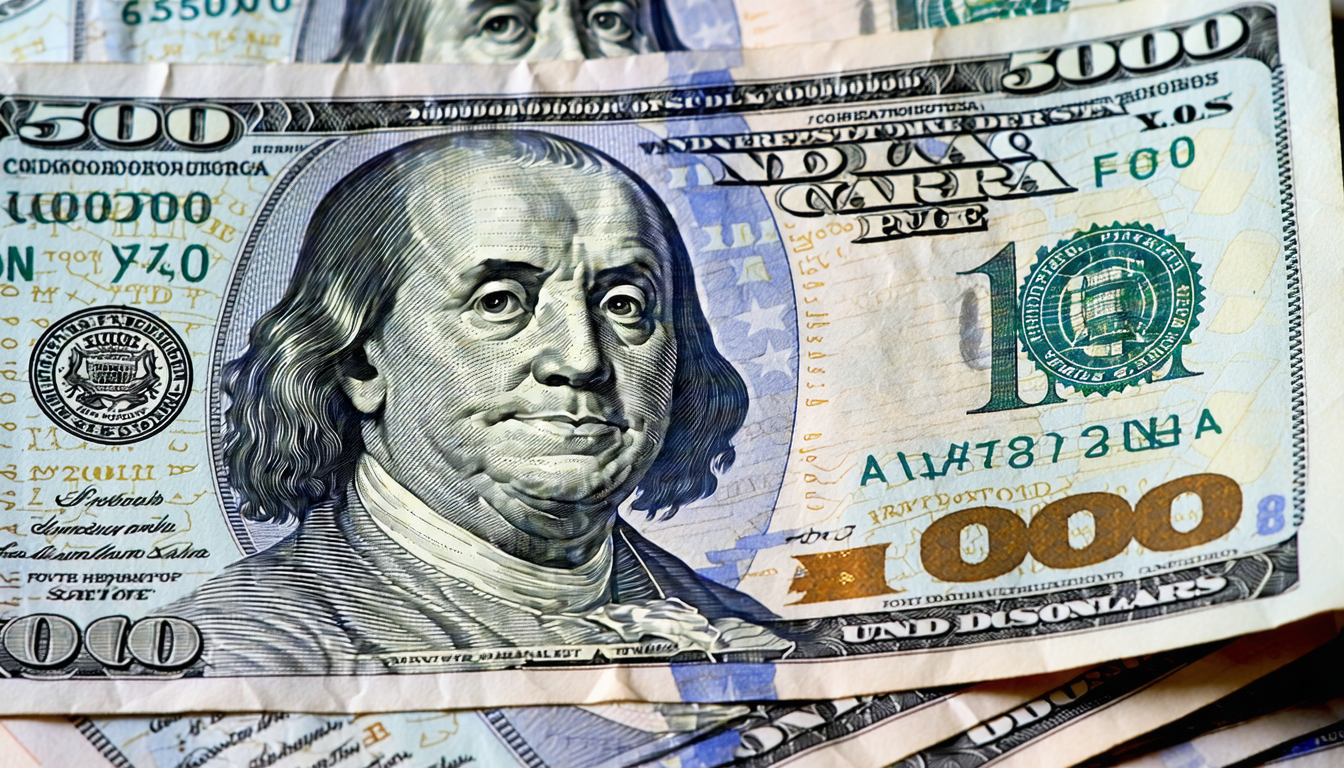
Understanding the 50,000 Dollars to Naira Conversion
At the heart of global money matters, converting a substantial amount like 50,000 US dollars to Nigerian naira is often more than a simple arithmetic exercise. It’s about economic signals, currency trends, and practical decisions. Right now, the mid‑market rate sits at approximately ₦1,480 per USD—so $50,000 roughly equals ₦74,010,000. Yet, fluctuations and different channels can change the picture if you’re sending money, investing, or planning projects in Nigeria.
Clearly, keeping an eye on exchange rate movements—and understanding what drives those changes—is key to making informed decisions.
The Current Exchange Rate and What It Means
Real‑Time Rate Overview
Today’s mid‑market benchmark for USD to NGN hovers around ₦1,480 per dollar, yielding an approximate total of ₦74 million for $50,000. This is based on recent currency converter data.
That rate sits relatively lower than some prior highs, but significantly above earlier lows, showcasing ongoing volatility.
Why Rates Shift: Key Drivers
Multiple factors influence why the dollar-naira rate moves:
- Monetary policy shifts: Nigeria’s central bank reduced interest rates recently, hoping to support the economy as inflation cools.
- Structural reforms: Prior currency reforms created adjustments in official versus black‑market dynamics.
- External liquidity: Variations in foreign reserves and inflows affect naira demand.
Taken together, exchange rates reflect complex social, political, and global finance currents.
Real‑World Context: From Policy to Pocket
Nigeria’s monetary landscape hasn't been stable. At times, black‑market exchange discrepancies were stark, with naira values far lower than official quotations. That made everyday conversions for business, remittances, or trade much costlier.
Recent central‑bank actions—including interest rate cuts under the current leadership—reflect efforts to stabilize and stimulate lending, in turn helping ease pressure on the naira. Businesses welcomed that move, especially as borrowing costs ease and inflation trends downward.
Practical Implications of Converting $50,000
For Individuals and Businesses in Nigeria
Receiving ₦74 million instead of, say, ₦82 million a year ago signals both improved naira strength but also underlying vulnerability. Planning matters:
- Budget projections should account for possible fluctuations.
- Timing conversions or transfers can impact outcomes significantly.
A Quarterly Case Scenario (hypothetical)
Imagine a small‑scale importer in Lagos: they plan to pay for machinery costing $50,000. If the conversion rate drifts by 2–3% within a week, the naira cost can change by ₦1.4 to ₦2.2 million—a material swing. Even a modest shift matters.
Rate Trends and Volatility Patterns
Recent Performance
Over the past several weeks, the USD/NGN rate has fluctuated noticeably, with volatility in the low single-digit percentages. That kind of movement isn’t uncommon for emerging-market currencies and underscores the importance of staying informed.
What That Means in Practice
- High volatility signals caution: large swings can happen fast.
- Low volatility offers smoother planning but doesn’t guarantee stability.
- Averaging exchange rates over time or using forward contracts can mitigate risk.
Insights from the Field
“Exchange‑rate swings like these underscore why tracking market trends is as essential as the number itself,” notes a seasoned forex analyst.
That informal insight captures wisdom: it’s not only how much but also when—and even how—you convert funds.
Toward Better Conversion Decisions
Smart Strategies
- Stagger transactions: Splitting a large sum into batches over a window can smooth cost averaging.
- Monitor policy cues: Watch central bank signals—rate guidance, reserve updates, or reform news can precede market moves.
- Use digital tools: Sometimes, virtual platforms offer better mid‑market or near‑mid‑market rates versus physical exchange kiosks.
Risks to Weigh
- Sudden policy shifts or geopolitical events can abruptly change rates.
- Black‑market rates may offer “better” numbers—but carry risks and legal concerns.
Summary: Key Takeaways & Next Steps
Converting 50,000 dollars to naira—currently around ₦74 million—is straightforward in concept, but nuanced in execution. Currency dynamics, central‑bank policies, and market volatility all matter. A smart approach blends timing, awareness, and flexibility.
Strategic recommendations:
- Monitor exchange movements in real time.
- Break up conversions to average rate exposure.
- Combine awareness of policy shifts with technology tools for optimized execution.
FAQ (Frequently Considered Questions)
What is the current rate for USD to NGN?
The rate hovers near ₦1,480 per USD, though this can vary slightly between platforms and markets.
Why does the naira sometimes trade lower than official rates?
Differences arise due to informal or parallel market trading, limited FX liquidity, and differing supply/demand across channels.
How volatile is the USD/NGN pair?
Moderately volatile—fluctuations of low single-digit percentages are common within weeks or months.
What’s a smart way to convert large sums like $50,000?
Consider splitting conversions over time, use digital platforms for better transparency, and track policy signals to choose opportune moments.
In short: understanding that $50,000 roughly converts to around ₦74 million today is only the starting point. The real edge lies in a nuanced grasp of timing, policy, and channel—especially in a market as dynamic as FX. With thoughtful planning, that edge can mean meaningful naira savings.










Leave a comment